
Last updated November 23, 2026
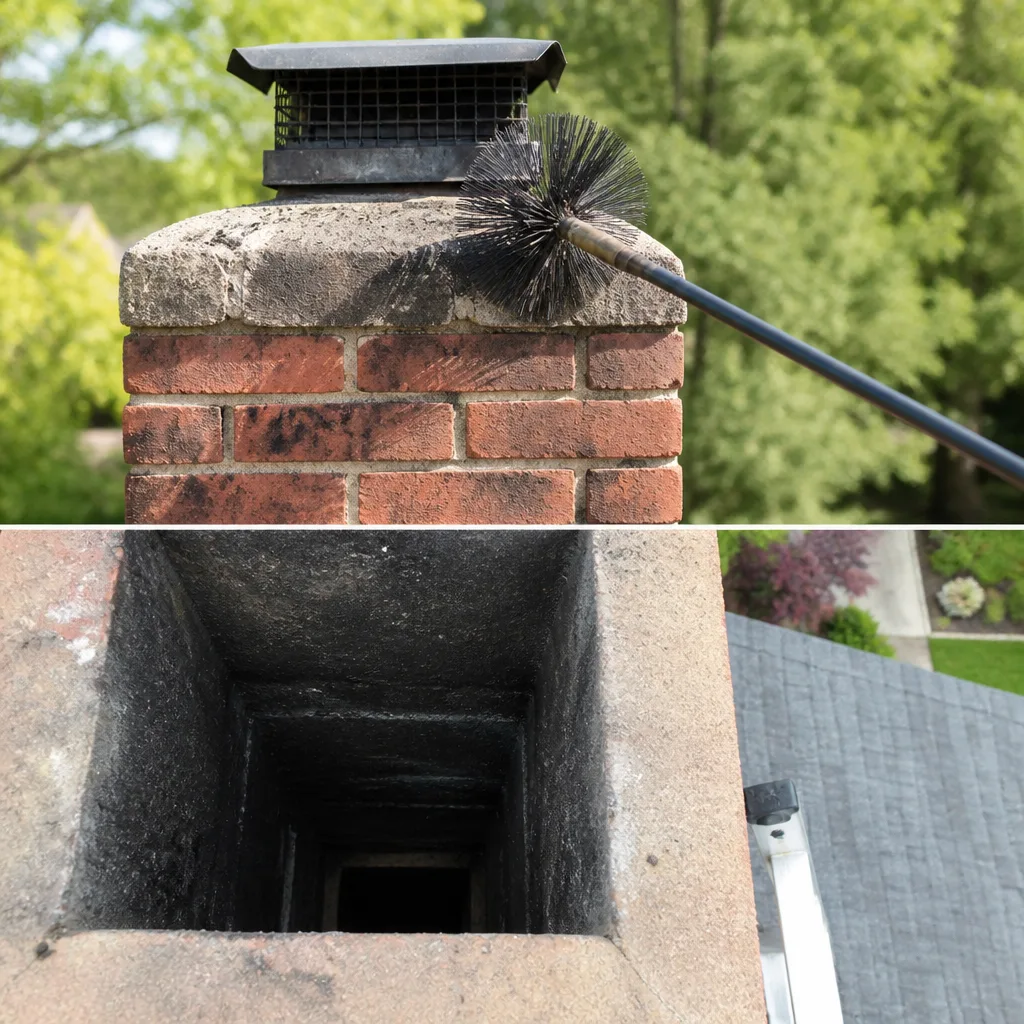 Sweep & inspection
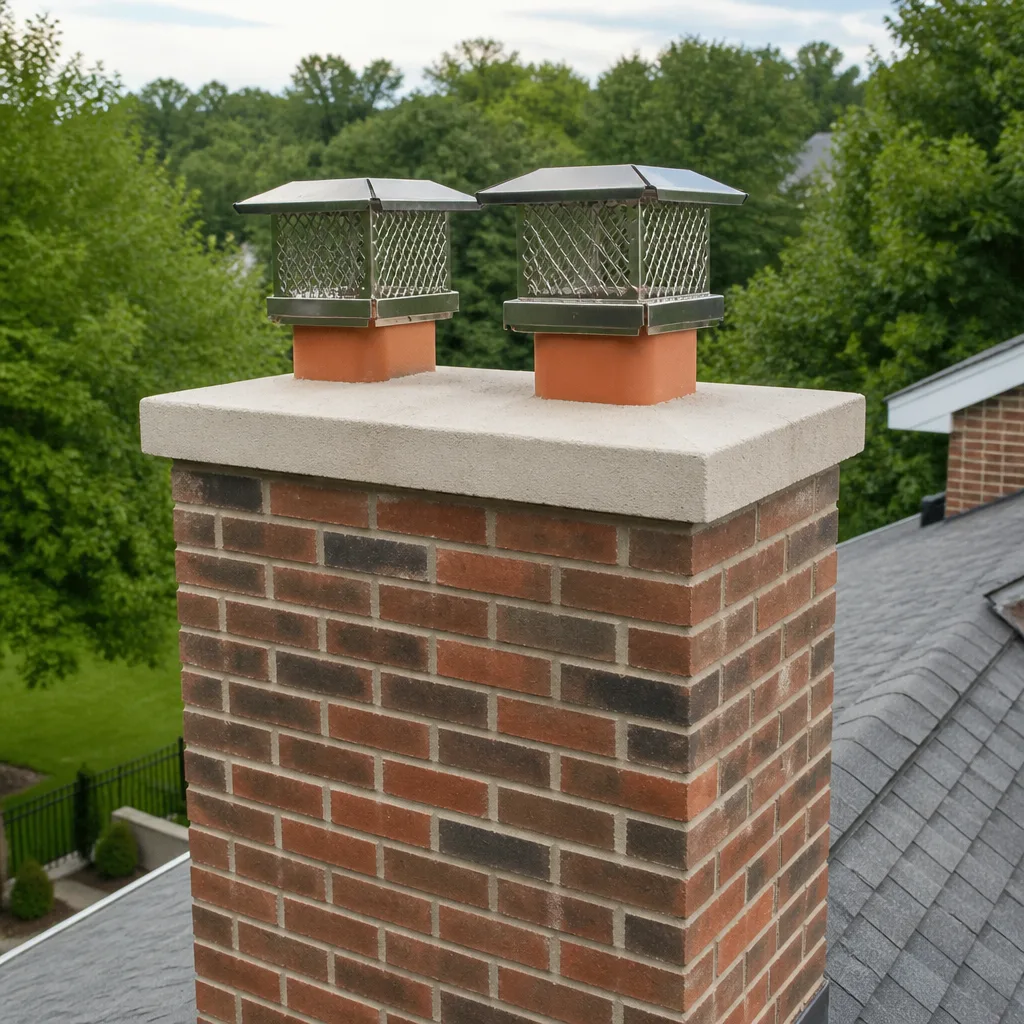 Caps & crowns
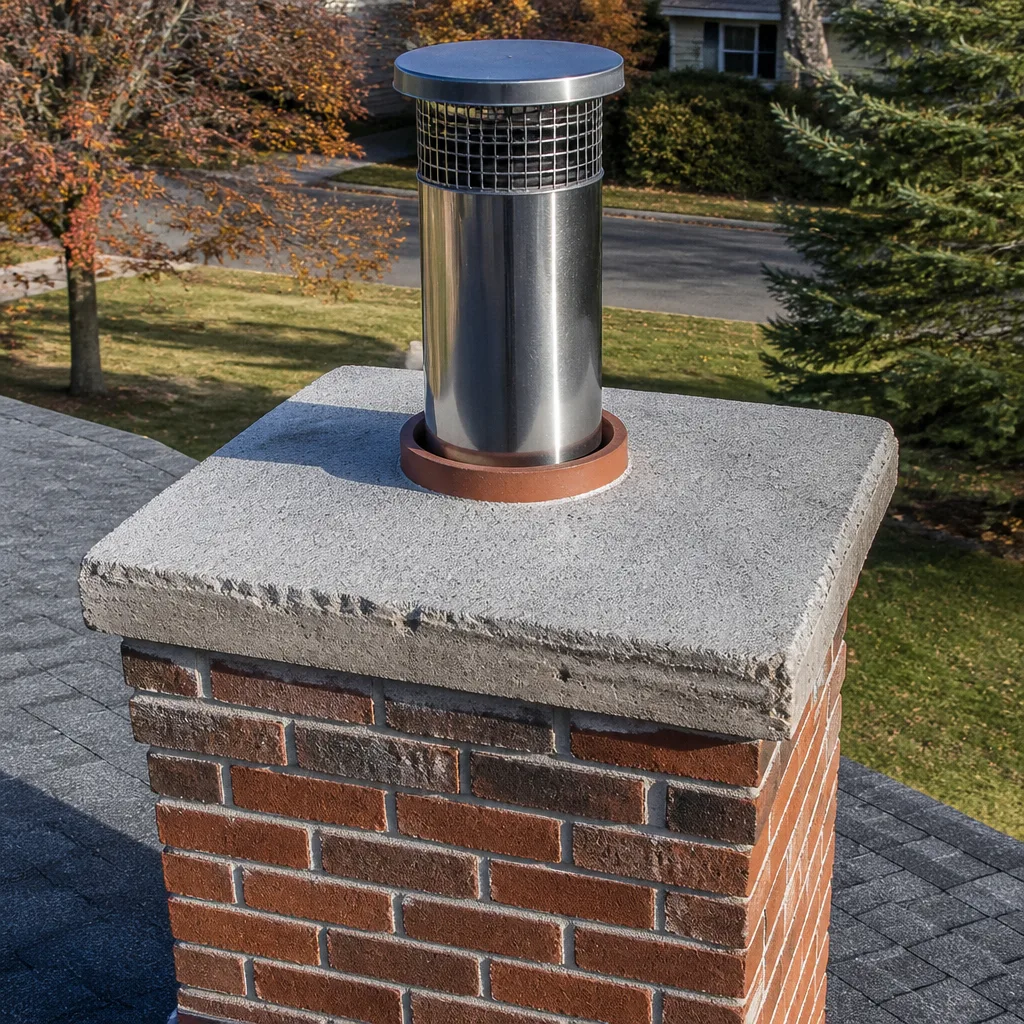 Flue relining
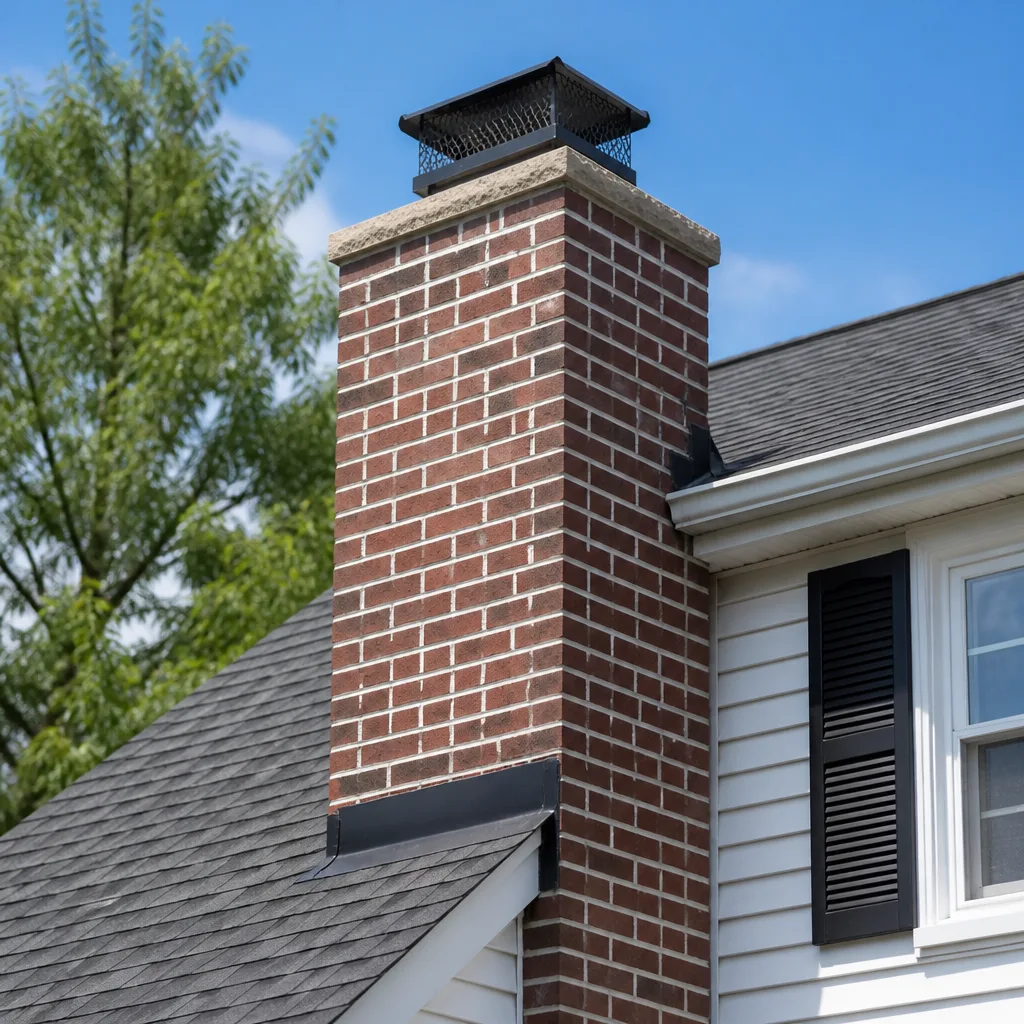 Masonry repair
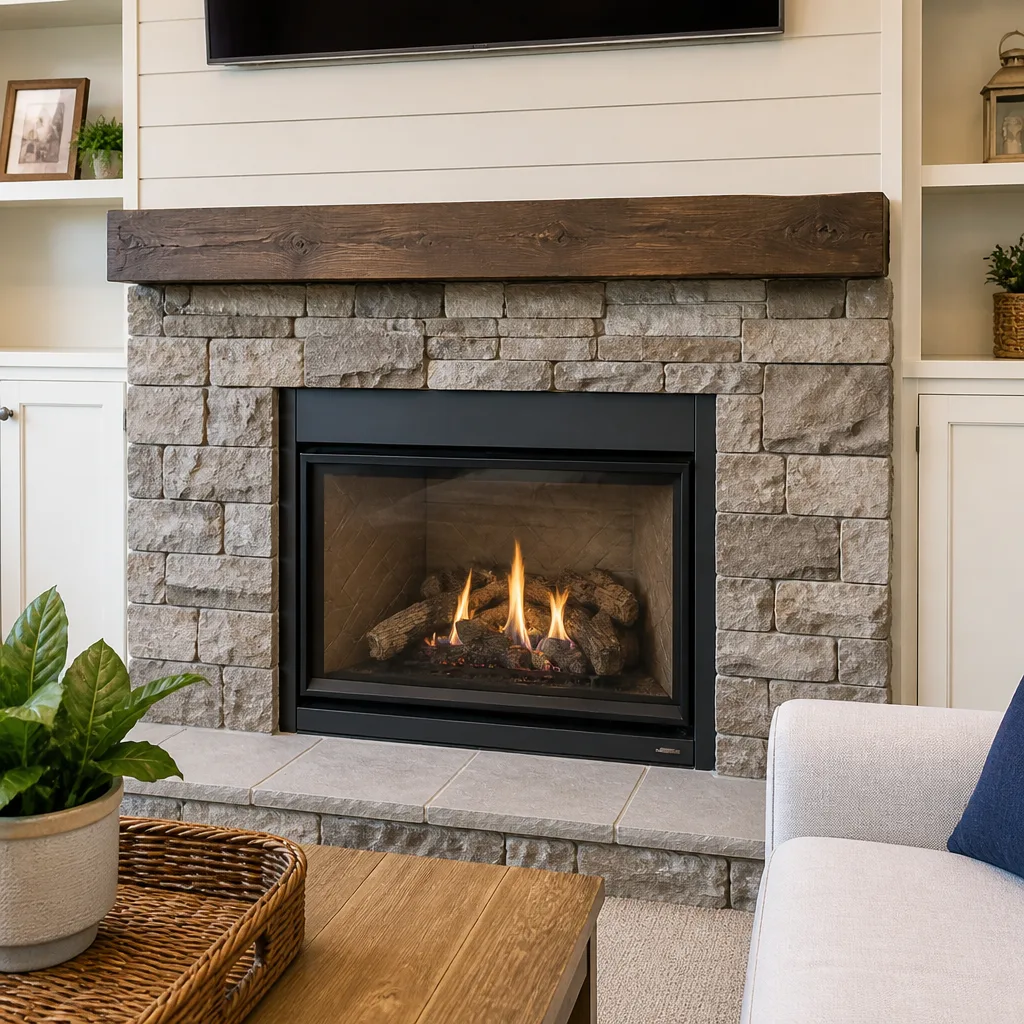 Gas fireplace service
Level 1 sweep and inspection to the NFPA 211 annual standard - flue, crown, cap, and flashing checked and photographed
Chimney sweep logs do not sweep chimneys. They loosen some creosote - which then falls where a brush and vacuum still have to collect it.
Seasonal Chimney Cleaning Care for Cottonwood Heights: Year-Round Homeowner’s Guide
The worst time to discover your flue cap failed is October, when every chimney company in the valley is booked three weeks out. Most Cottonwood Heights homeowners treat chimney care as a single autumn event: call someone, get a sweep, forget about it until next year. That schedule feels tidy, but it works against the way chimneys actually wear down. Masonry cracks in the freeze-thaw cycles of February, mortar softens through the humid weeks of July, and snowmelt finds every small gap in March. By the time fall arrives, the damage has already happened. This guide walks through what to watch for and what to schedule in each season so your chimney stays a system you maintain instead of a problem you react to.
Quick Answer
Seasonal chimney care in Cottonwood Heights means matching your maintenance to the damage calendar, not the calendar page. Book cleaning and inspection in late summer or early fall before the first hard freeze, watch draft, odor and cap icing through the winter burn season, schedule a post-season inspection in spring to catch creosote type, spalling and snowmelt intrusion, and use the dry summer months to address mortar and crown deterioration while the weather allows. Sequenced this way, each step makes the next one cheaper and the whole system safer.
Styles & brands we work with
- Sweep & inspection
- Caps & crowns
- Flue relining
- Masonry repair
- Gas fireplace service
Table of Contents
- Why Chimney Care Is a Year-Round Job in Cottonwood Heights
- Fall: What to Fix Before the First Hard Freeze
- Winter: Monitoring a Chimney Under Heavy Use
- Spring: What a Post-Season Inspection Should Catch
- Summer: The Dormant Months That Do the Most Damage
- How to Sequence Cleaning, Inspection and Repairs
- Common Mistakes to Avoid
- When to Call a Professional
Why Chimney Care Is a Year-Round Job in Cottonwood Heights
A chimney in Cottonwood Heights fights a different battle every few months. Sitting against the Wasatch foothills, homes here go from hot, dry summer afternoons to hard winter cold without much of a cushion in between. That swing is the engine of chimney deterioration. Masonry absorbs moisture, that moisture freezes and expands, and the cycle repeats. Creosote builds during the heating season and sits on the flue walls the rest of the year, slowly pulling moisture and degrading the liner surface. None of this pauses between October and next October.
The damage calendar looks roughly like this:
- Winter freeze-thaw: trapped moisture in brick and mortar expands overnight and contracts by afternoon. Small cracks widen.
- Burn-season deposits: creosote and soot accumulate on the flue, changing how the chimney drafts and how much heat reaches the masonry.
- Snowmelt intrusion: water migrates into the crown and cap, then into the flue through failed joints.
- Summer humidity: warm, humid air moving through a dormant chimney feeds mortar deterioration and efflorescence.
One company handles the sweep, the inspection, and any repairs your chimney needs, which matters because the annual rhythm only works if the same people who find the problem can also fix it. When we schedule a chimney sweep, the sweep is the entry point to a whole diagnostic process, and the findings drive what happens next season.
Fall: What to Fix Before the First Hard Freeze
Schedule in late summer or early fall, before the first hard freeze, because the fixes that take an afternoon in September become structural work by December. Water is the reason. A hairline crack in the crown or a gap around the cap lets in rain and snowmelt during the shoulder season. A technician can seal that gap now with a repair; once the freeze sets in, that same crack widens and turns into spalled masonry, which means grinding out mortar and rebuilding sections instead of sealing a joint.
Fall is also when a sweep tells you the most. A service in September or early October gives a clear picture of creosote type and thickness before the fire place sees heavy use. Those findings feed the winter safety plan:
- Inspect the cap and crown. A chimney cap or crown isn’t optional, it’s what keeps water out of your masonry year-round. Fall is the right time to repair or replace one.
- Sweep the flue and check the liner. A technician can usually spot-fix small liner damage with HeatShield resurfacing instead of a full reline, saving you the bigger cost.
- Check the firebox and damper. Any fireplace repair needed before burn season is far easier to do in October than in January.
- Clear the cap screen and flashing. A blocked screen changes draft; failed flashing lets in water quietly.
The counterintuitive point: the chimney should be fully serviced before you need to use it, not during the weeks you most rely on it. When the first cold snap hits, the valley fills with scheduling requests, and those delayed weeks are exactly when a small problem gets a chance to get worse. Being ready in September buys you time in the months you can’t get it back.
Winter: Monitoring a Chimney Under Heavy Use
Winter isn’t the season for a ladder session; it’s the season for watching. During a Cottonwood Heights heating season, the chimney runs hard for weeks and the signs of a developing problem show up as subtle changes in how the fireplace behaves. A trained eye can catch these early, but you can also watch for them yourself:
- Draft changes: smoke that used to rise cleanly now rolls back into the room, or the fire is harder to start. This can mean a blocked flue, a failed cap screen or shifting pressure in a cold snap.
- Odor shifts: a strong smoke or acrid smell when the fireplace isn’t burning, especially during cold or damp days, often points to creosote deposits in the flue.
- Cap icing: ice on or under the cap, or icicles hanging off the cap rim, suggests the cap or crown is holding water that freezes and can mean the flashing or cap seal has failed.
- Soot on the firebox: fresh soot patterns on the glass or brick frame tell you combustion is not clean.
None of these are reasons to panic. They’re checkpoints. If you notice any of them, note when it started and how often it happens, then call to book a service before the pattern becomes something more expensive. In our experience, most winter-reported draft issues are fixable with a cleaning or a small part, but only because the homeowner noticed the change early. Between appointments, follow the basics: burn dry, seasoned wood, keep a screen on the opening, and don’t overbuild the fire. The rest of the monitoring can stay with the professionals.
Spring: What a Post-Season Inspection Should Catch
A spring inspection is the most informative visit of the year because it looks at the chimney right after the full burn season, when the wear is fresh and visible. If you only schedule one service a year, spring should be it, though the ideal rhythm is fall cleaning plus spring inspection. What a proper post-season inspection should catch:
- Creosote type. Not all creosote is the same. A light, dry, fluffy deposit is normal; a hard, glazed or tar-like deposit indicates the fire has been running too cool or burning wet wood and needs special attention.
- Spalling. Brick or mortar that has flaked off (spalling) tells you moisture has been in the masonry. Spring is the best time to find it, because the snowmelt cycle has just ended.
- Snowmelt intrusion. Water stains inside the firebox, dark streaks on the exterior, efflorescence (white powdery stains) on the brick, or damp smells are all signs the cap, crown or flashing is letting water in.
- Liner condition. A camera inspection shows cracked or offset flue tiles and tells you whether HeatShield resurfacing can restore the flue or whether a new liner is the right route. We use professional-grade materials, the same brands trusted by chimney specialists nationwide, including DuraFlex for relining work.
- Firebox and damper wear. A damper that no longer sits flush or a firebox with loose joints should be addressed before the next winter.
Spring also gives you scheduling breathing room: the trades are less booked than in fall, and a repair found now can be planned and budgeted instead of rushed. It’s the visit that steers the whole rest of the year.
Summer: The Dormant Months That Do the Most Damage
The most damaging months for a Cottonwood Heights chimney are often the ones when nobody uses it. A dormant chimney is a moisture channel. Summer humidity plus daily temperature swings puts the masonry through its own quiet cycle: the structure warms and dries by day, then cools and pulls moisture back in overnight. Because the chimney is inactive, any small deficit in the crown or cap gets all summer to grow into a real repair.
Crown deterioration is the key thing to understand. The chimney crown is the sloped concrete top that sheds water away from the flue. A crack in the crown doesn’t cause a problem you’ll notice right away, but it lets water direct straight into the masonry, and by fall that water has done its year’s damage. This is why cap and crown work is worth prioritizing in summer: the weather is dry, the mortar will cure properly, and the fix stops a full season of water intrusion.
- Seal the crown or replace it if it’s failing. Cracks, spalling or a crown that no longer slopes away from the flue is a repair, not a maintenance detail. We use Gelco caps for cap work and professional-grade materials for crown repair.
- Inspect the cap. A missing or damaged cap on a summer day is easy to repair. Come winter it’s an entry point for snow, birds and water.
- Check the flashing. Roof-to-chimney flashing is where water most often sneaks in; summer is the right time to catch and fix it.
- Do the structural repairs. Any chimney repair that involves mortar, brick or a crown is better done in dry weather.
Think of summer as the season you build the chimney’s defenses for the year ahead. Done well, those repairs pay you back in a cheaper, calmer fall.
How to Sequence Cleaning, Inspection and Repairs
Sequencing is what makes seasonal care compound instead of feeling like a string of reactive calls. The order matters:
- Sweep first, inspect second. A chimney needs to be clean before it can be properly inspected. Soot and creosote hide cracks, so a sweep always comes before the inspection camera.
- Inspect with the camera, not just the eye. A camera inspection and a written report let you see exactly what’s in the flue, so nothing is recommended without evidence you can review. This is why our inspection is diagnostic, not a checkbox.
- Plan repairs from the findings. Group the work: cap and crown on one list, any liner work on another, fireplace or firebox items on a third. Each list has its own best season.
- Do dry-weather repairs in summer. Mortar and crown work belongs in the warm months. Save the fast, interior items for fall.
- Book the fall sweep early. Settle the plan now so October’s visit only needs to confirm the system is ready.
One company handles all of it: sweep, inspection, Chimney Sweep Cottonwood Heights handles the scheduling, and the fireplace and structural work can come from the same provider, so you’re not calling a second contractor to handle a repair the first one found. That continuity is what turns a set of separate services into a maintained system. For homeowners comparing providers, our full-scope approach with professional-grade components like Olympia Chimney parts and Famco venting keeps the work consistent across the whole chimney.
Common Mistakes to Avoid
- Waiting until fall to think about the chimney. Fall is the busiest season and the wrong season for finding a cap problem. By then you’re booking around everyone else’s requests and the crack has had all summer to spread.
- Skipping the inspection after a sweep. A sweep clears the flue but doesn’t diagnose the whole chimney. Without a camera inspection, you don’t know what the liner, crown and flashing are doing.
- Ignoring a small crack in the crown. A crown crack looks minor and behaves like a leak. In Cottonwood Heights, one freeze cycle can turn a sealable crack into a masonry rebuild.
- Treating the cap as decorative. A missing cap lets in rain, snow, birds and debris all year. Cap and crown work is core maintenance, not a cosmetic add-on.
- Assuming a liner is the only fix. HeatShield resurfacing can restore a damaged flue without the cost of full relining. If a company skips that option entirely, ask why.
- Letting the summer pass with no work done. Dry months are the easiest time for mortar and crown repairs. Leaving them until cold weather means your repair list waits another year.
- Believing a clean flue means a healthy chimney. Cleaning addresses deposits. Inspection addresses condition. You need both on the calendar.
When to Call a Professional
Some signs you should call a professional right away: smoke rolling back into the room, a strong smoky smell when the fireplace is off, visible soot buildup in the firebox, water stains or efflorescence on the brick, a loose or missing chimney cap, or any crack you can see in the crown. Chimney Sweep Cottonwood Heights offers free estimates in Cottonwood Heights. We can work with your insurer when a problem turns into a claim, and we’ll tell you plainly when a repair can safely wait until the next dry season. Our technicians have up to 10 years of experience, and we connect you with local professionals who are licensed and insured as their state requires. The written estimate sets the final price, so there are no surprises when the work begins.
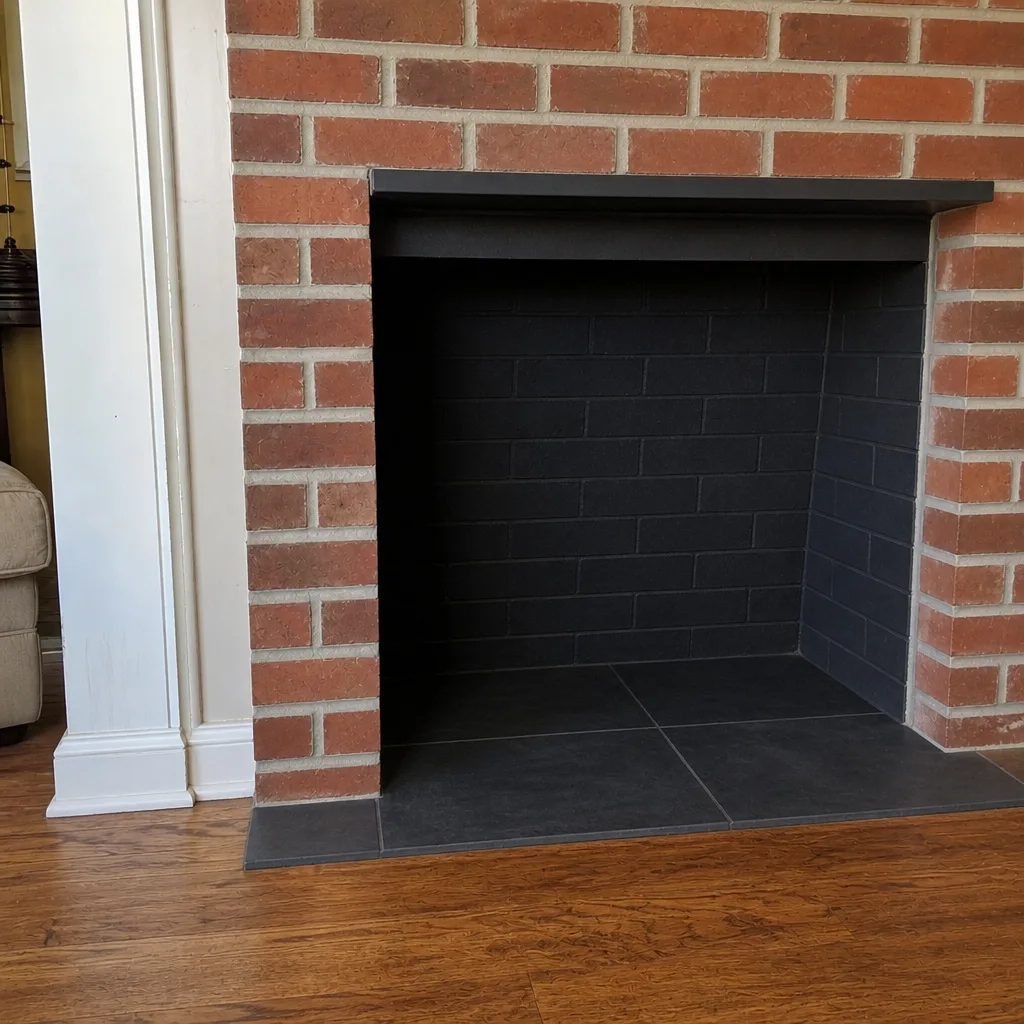
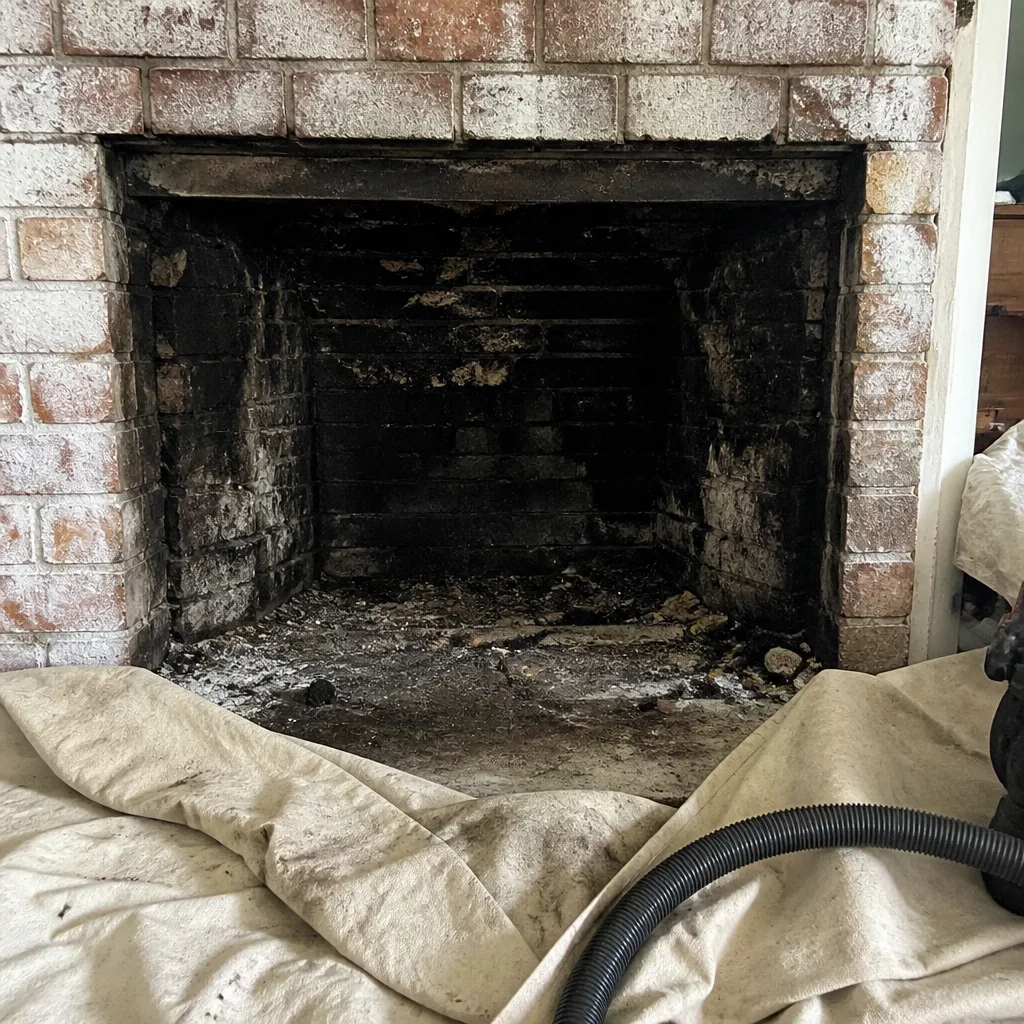
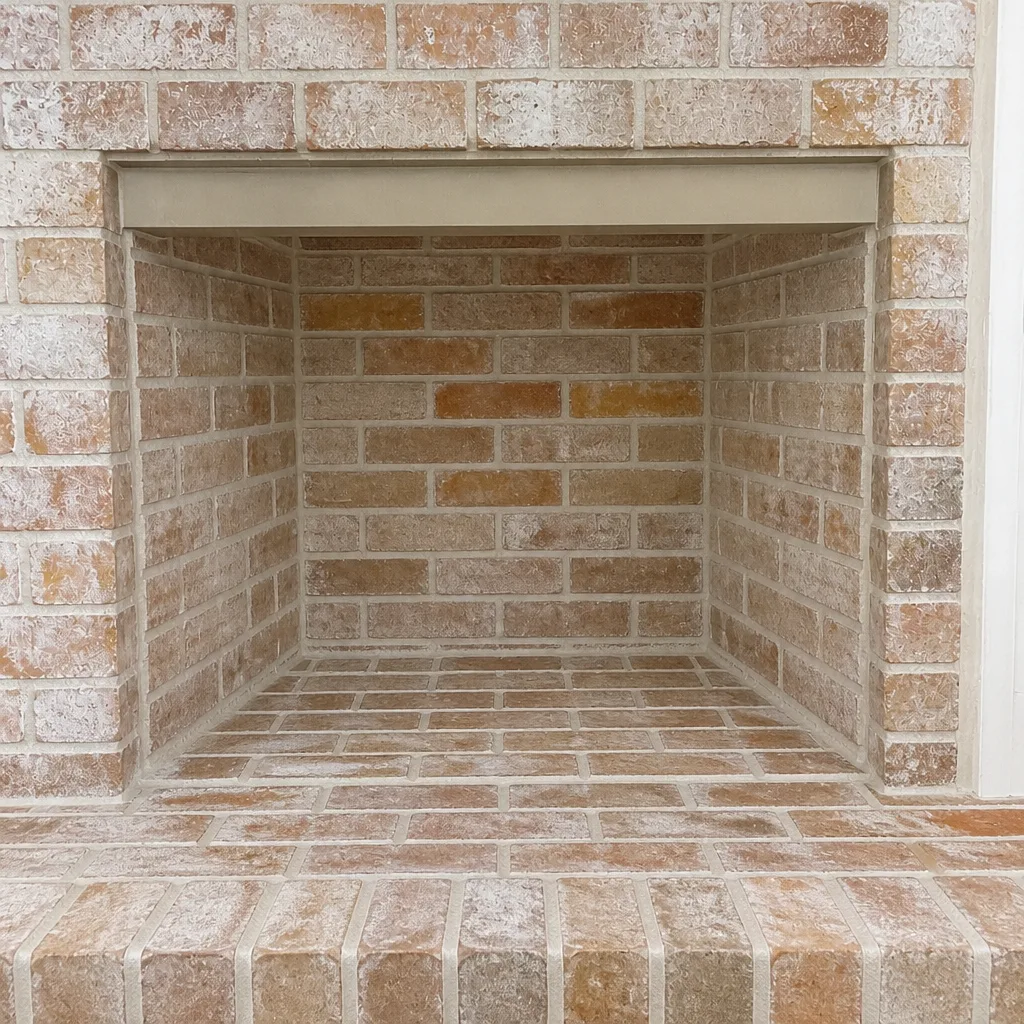
See the difference
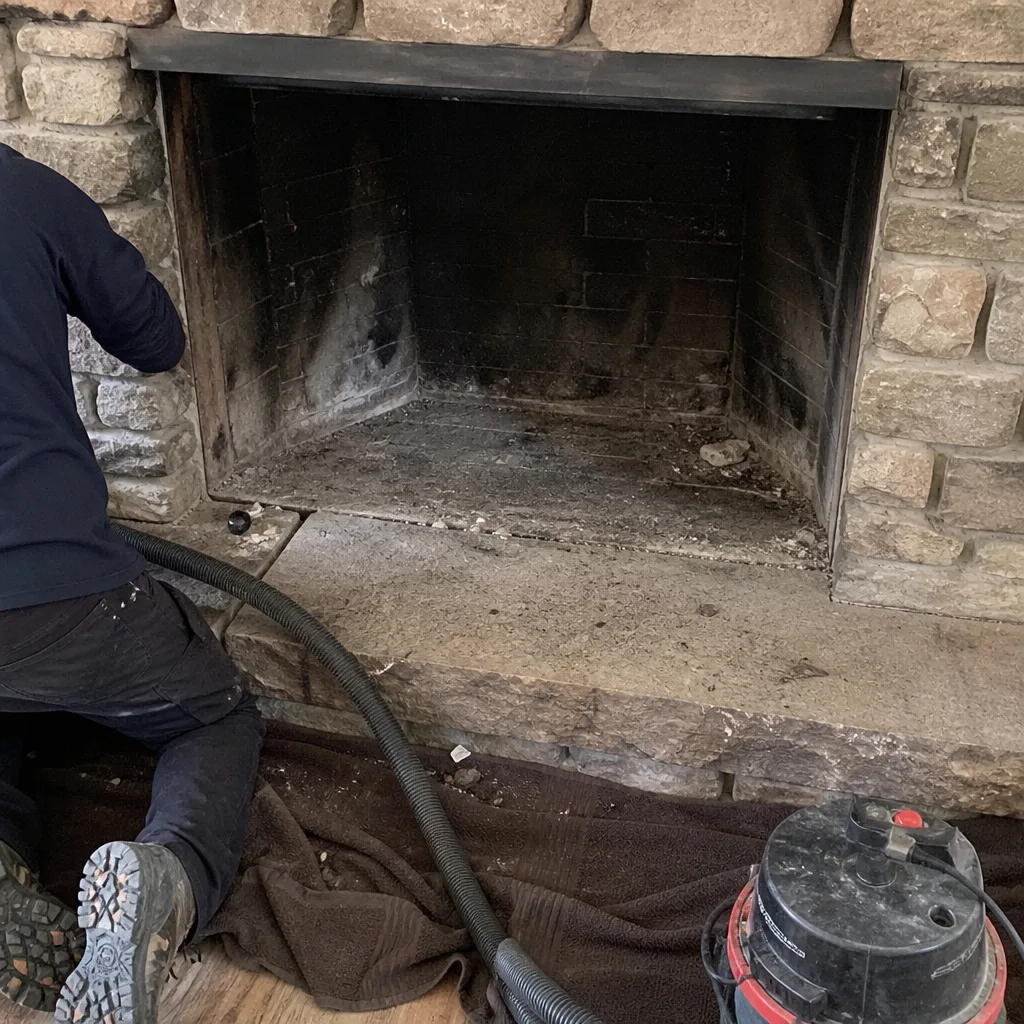 Before
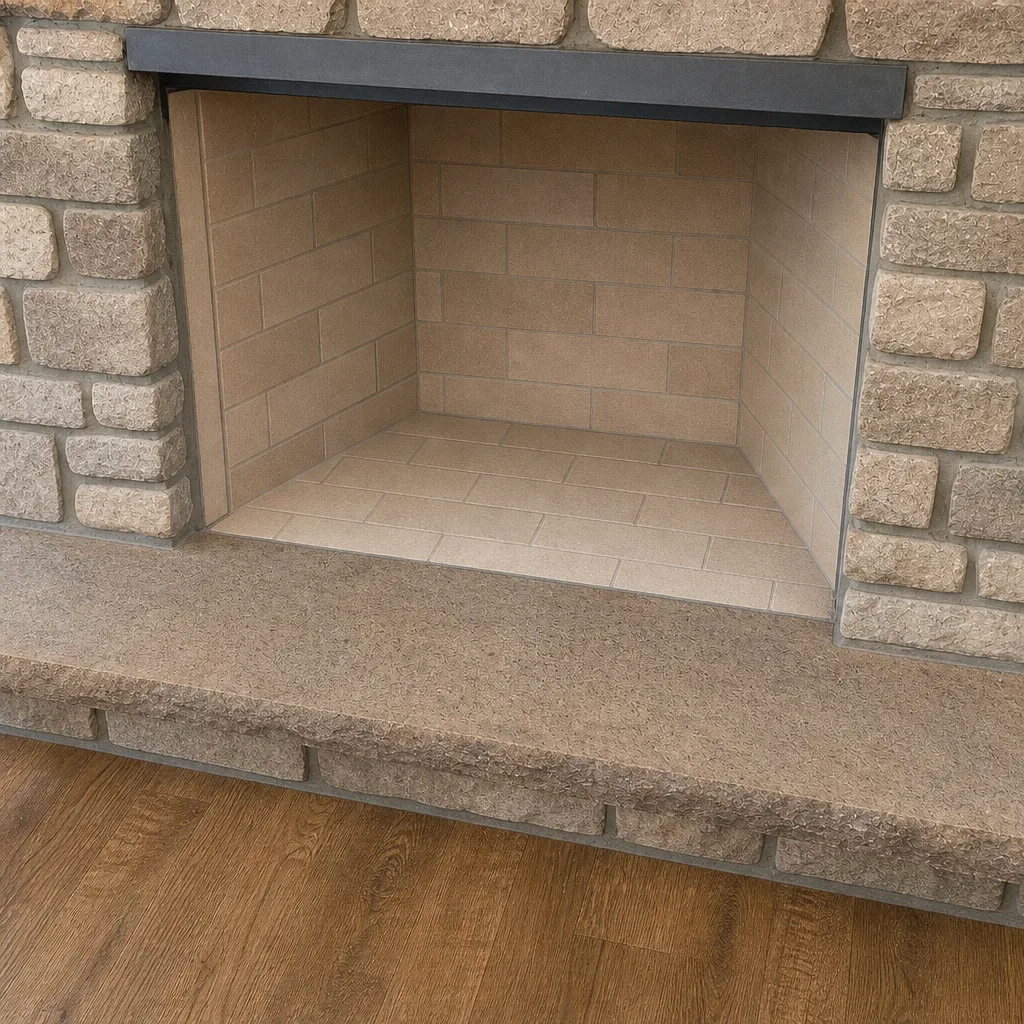 After
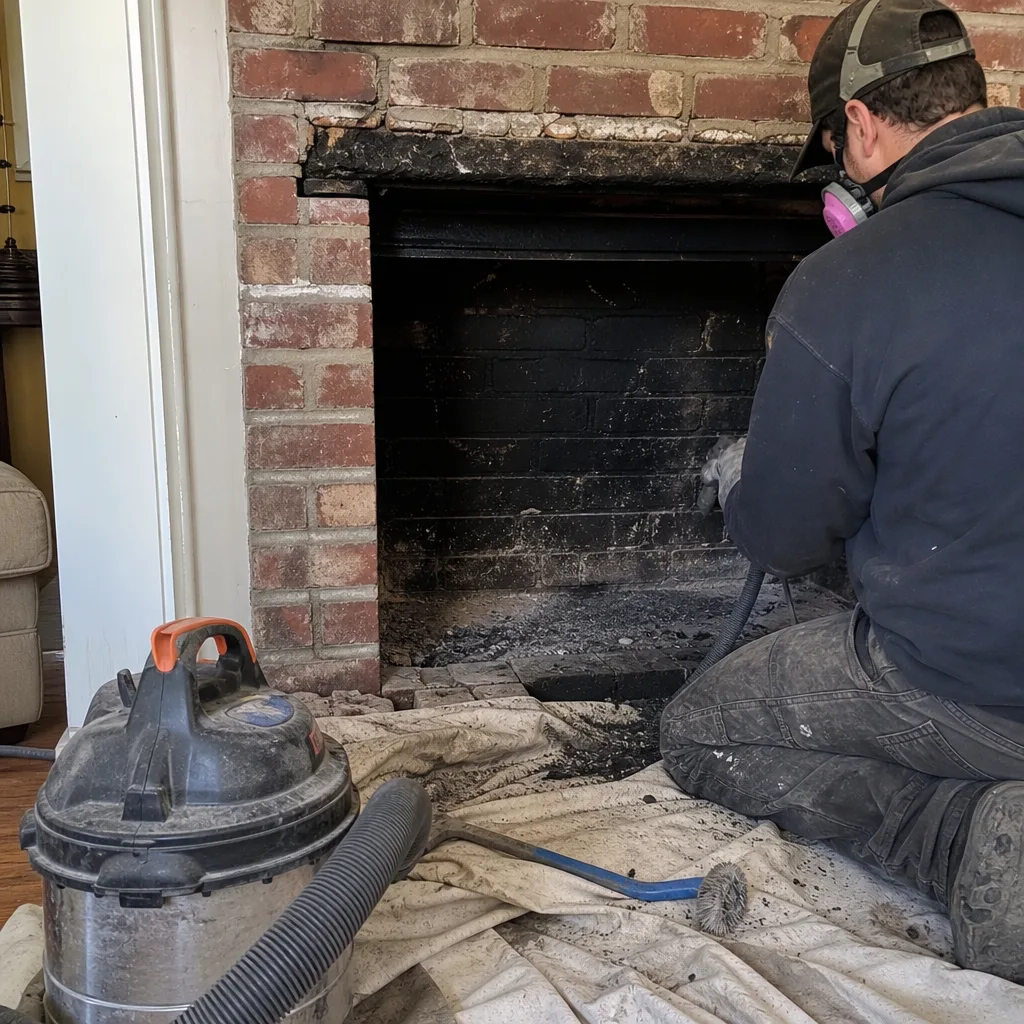 Before
 After
 Before
 After
Frequently Asked Questions
Most wood-burning chimneys should be swept once a year, and more often if you burn heavily or notice creosote buildup. A fall sweep before burn season paired with a spring post-season inspection covers a typical Cottonwood Heights home well, since the area’s hard winters and heavy seasonal use put real load on the flue. Call (866) 589-3511 for an exact quote, estimates are free.
Yes, summer is actually the ideal time for structural work. Dry weather lets mortar and crown repairs cure properly, and the chimney is dormant so the work doesn’t interrupt any fires. It’s the season to get ahead of the damage that humid summer air and winter freeze-thaw would otherwise worsen. Call (866) 589-3511 to get a summer evaluation booked.
Skipping a season lets small problems compound. A crown crack that could have been sealed in fall can turn into spalled masonry with one freeze cycle, and creosote left in the flue over summer can degrade the liner surface. Skipping an inspection also means you might miss a water intrusion problem until it’s visible inside the house. Call (866) 589-3511 to keep your chimney on a yearly rhythm.
It depends on what the camera inspection finds. HeatShield resurfacing can restore a damaged flue without the cost of full relining, and it’s often the right option for cracked or offset flue tiles. A full liner, such as a DuraFlex system, is the right call when the damage is beyond resurfacing. We recommend nothing without showing you the camera evidence. Call (866) 589-3511 for a free inspection quote.
A chimney that smells when it’s off usually has creosote deposits or moisture in the flue, and the smell gets stronger on damp or cold days. It’s a sign the flue needs cleaning and inspection rather than simply deodorizing. In Cottonwood Heights, summer humidity and winter snowmelt both drive this pattern. Call (866) 589-3511 and we’ll schedule a sweep and inspection.
Yes. A chimney cap or crown isn’t optional, it’s what keeps water out of your masonry year-round. In Cottonwood Heights it’s the first line of defense against snowmelt and summer rain, and it also keeps out birds and debris. If your cap is missing or damaged, it’s worth fixing before the next wet season. Call (866) 589-3511 for a free estimate on cap or crown work.
The Bottom Line
Chimney care in Cottonwood Heights works best as a year-round rhythm, not a one-time autumn errand. Fall is for sweeping, inspecting and sealing before the first hard freeze; winter is for watching draft, odor and cap icing; spring is for the post-season inspection that catches creosote type, spalling and snowmelt damage; summer is when crown and mortar work is easiest and the dry weather lets repairs cure. When you sequence it this way, each season’s step makes the next one cheaper and keeps a single small problem from becoming a structural cost. Put the whole system on the calendar and let the same provider carry it through.
Chimney Sweep Cottonwood Heights provides chimney sweep, fireplace repair, chimney repair, chimney inspection, and cap and crown services for residential customers. If you’re ready to start the year-round plan, call (866) 589-3511 for a free estimate. We answer 24/7. Fast dispatch from 7am to 7pm, Sunday through Friday.
Written by the team at Chimney Sweep Cottonwood Heights.