
Last updated November 23, 2026
 Sweep & inspection
 Caps & crowns
 Flue relining
 Masonry repair
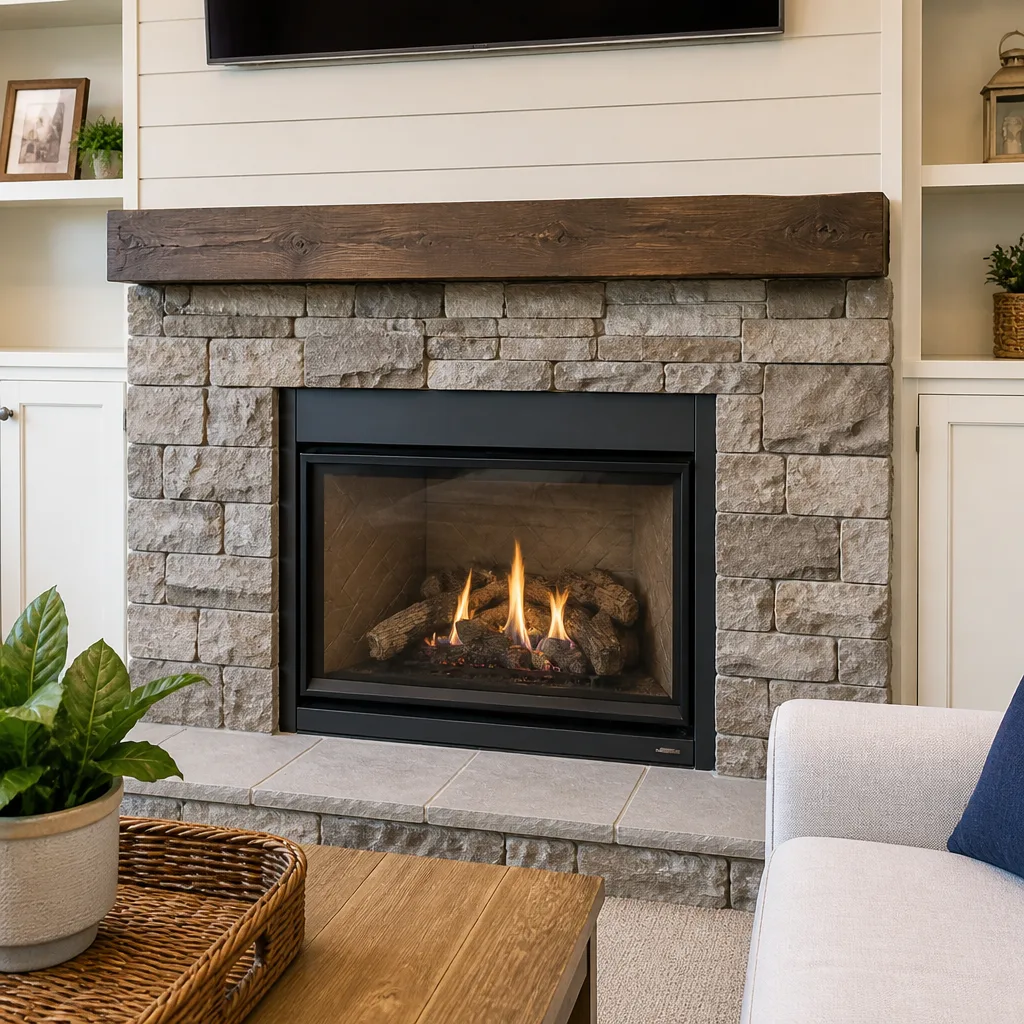 Gas fireplace service
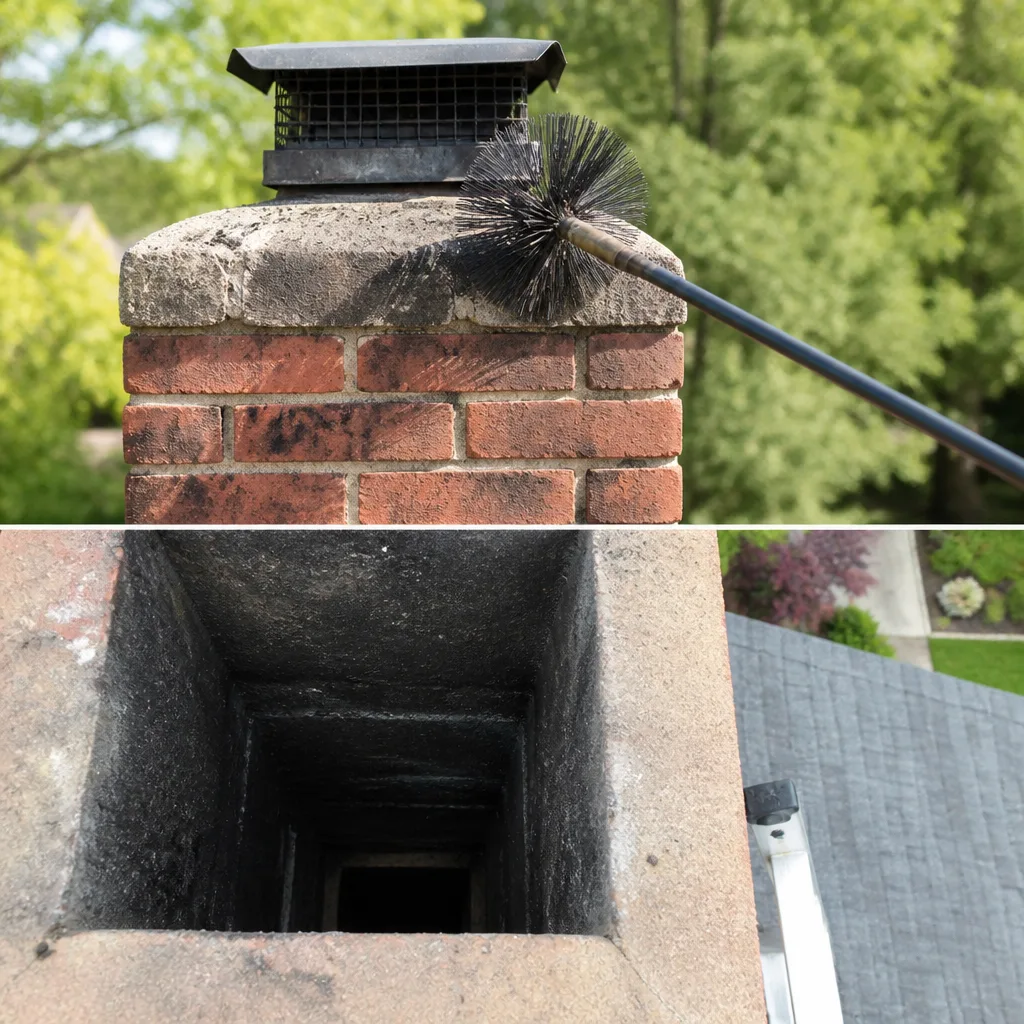
Level 1 sweep and inspection to the NFPA 211 annual standard - flue, crown, cap, and flashing checked and photographed
Chimney sweep logs do not sweep chimneys. They loosen some creosote - which then falls where a brush and vacuum still have to collect it.
Chimney Cleaning Emergency Preparedness Guide for Cottonwood Heights Homes
A chimney fire can reach 2,000°F and be over in under four minutes. That much heat is enough to warp a flue liner, crack masonry, or reach the wood framing inside your walls. What most homeowners don’t realize is that whether a chimney fire stays contained inside the flue or turns into a structural event is largely decided before the fire ever starts, during the cleaning and inspection visit you either scheduled or skipped last season. This guide walks through the pre-season checks that matter, how to respond if a fire does happen, how creosote staging changes the outcome, and what to have ready for your insurer. We’ll keep the focus on Cottonwood Heights homes, where the long heating season and dry, high-altitude climate both play a role.
Quick Answer
Emergency chimney preparedness in Cottonwood Heights means booking a professional cleaning and inspection before the heating season starts, confirming the flue liner, crown, cap, and masonry are sound enough to contain a fire, and knowing the correct sequence of actions if one occurs. A clean, structurally sound chimney turns a potential chimney fire into a contained event; a neglected one turns it into a structural emergency. The single most important step is a pre-season inspection that documents what condition your flue is actually in.
Styles & brands we work with
- Sweep & inspection
- Caps & crowns
- Flue relining
- Masonry repair
- Gas fireplace service
Table of Contents
- What a pre-season chimney inspection must confirm
- What to do if a chimney fire starts
- How creosote stages change the outcome of a fire
- The post-fire protocol: inspection before reuse
- What documentation to keep for insurance
- How often Cottonwood Heights chimneys need cleaning
- The structural checks most homeowners overlook
- Building a seasonal chimney routine
What a Pre-Season Chimney Inspection Must Confirm
Before any chimney can be called cleared for winter use, an inspection has to answer a specific set of structural questions. These aren’t cosmetic checks. Each one corresponds to something that matters during an actual fire event, when the flue is under extreme thermal stress and any weak point becomes the failure point.
A thorough pre-season inspection in Cottonwood Heights confirms the following:
- Flue liner integrity. The liner is the barrier between fire and framing. Cracks, gaps, or spalled tiles mean heat can reach combustible material. If the liner is compromised, we can often resurface it using HeatShield rather than replacing the entire liner.
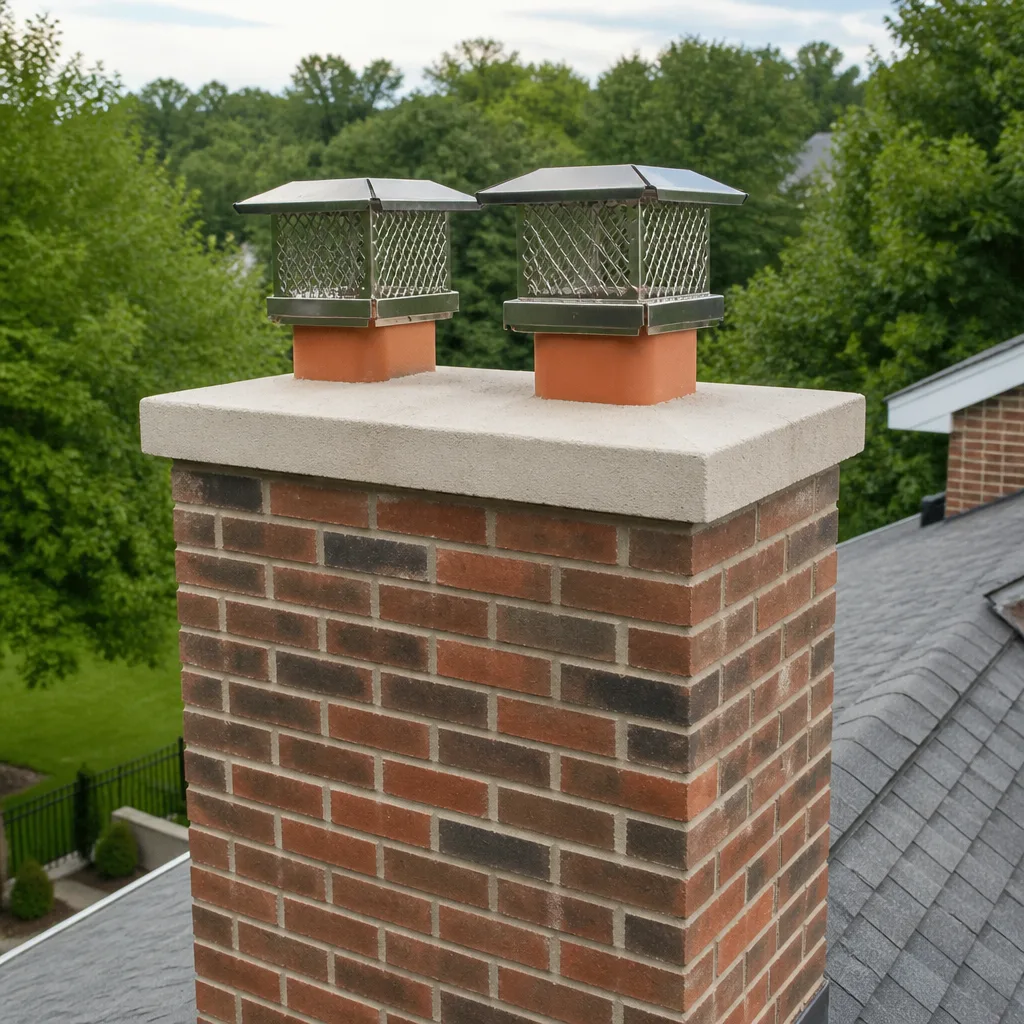
- Crown condition. The crown is the concrete or masonry cap at the top of the chimney that sheds water. A cracked crown lets moisture into the masonry, which freezes and thaws through a Cottonwood Heights winter and opens gaps over time.
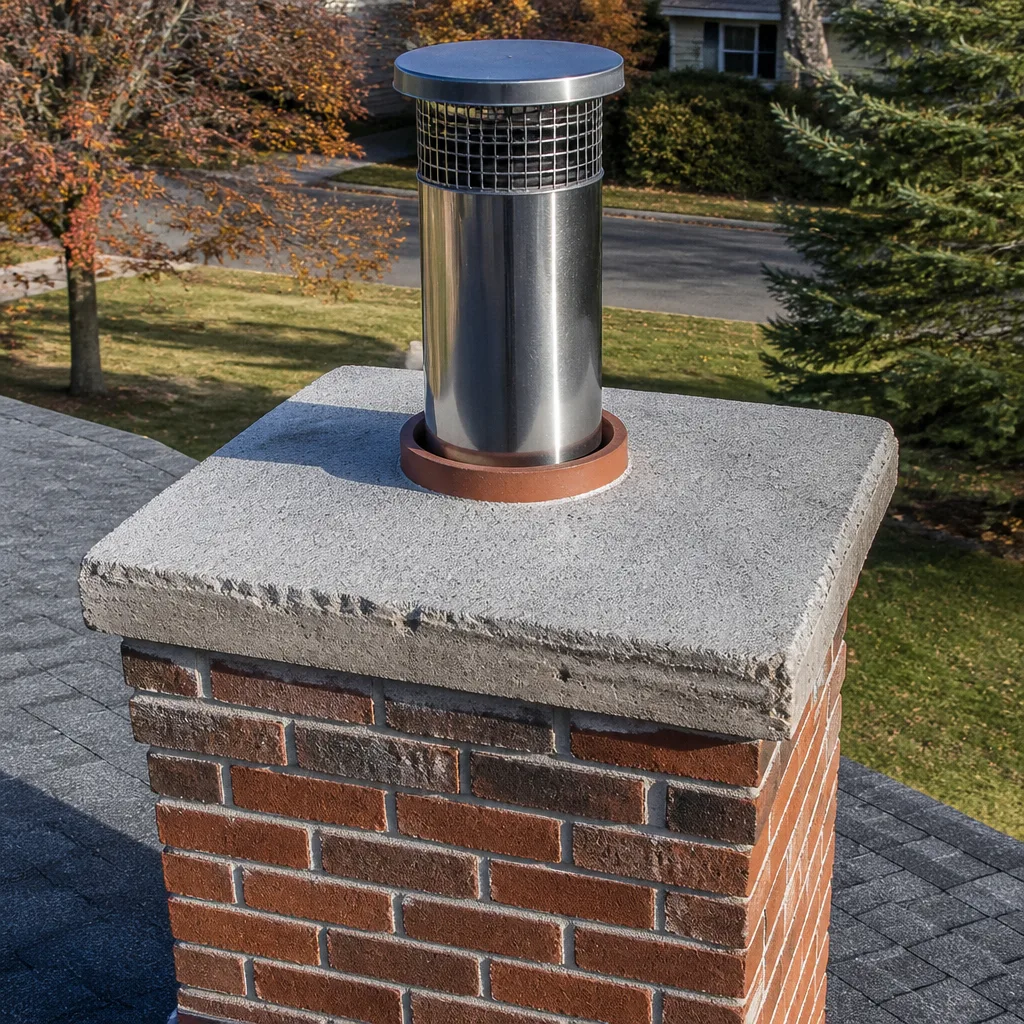
- Chimney cap presence and fit. A proper cap keeps out rain, snow, birds, and debris. Gelco caps and similar fitted products are what we typically recommend because they’re sized to the flue and hold up to weather.
- Creosote accumulation level. The inspector measures and documents how much creosote is present and which stage it’s in. This determines whether the chimney is safe to use or needs cleaning first.
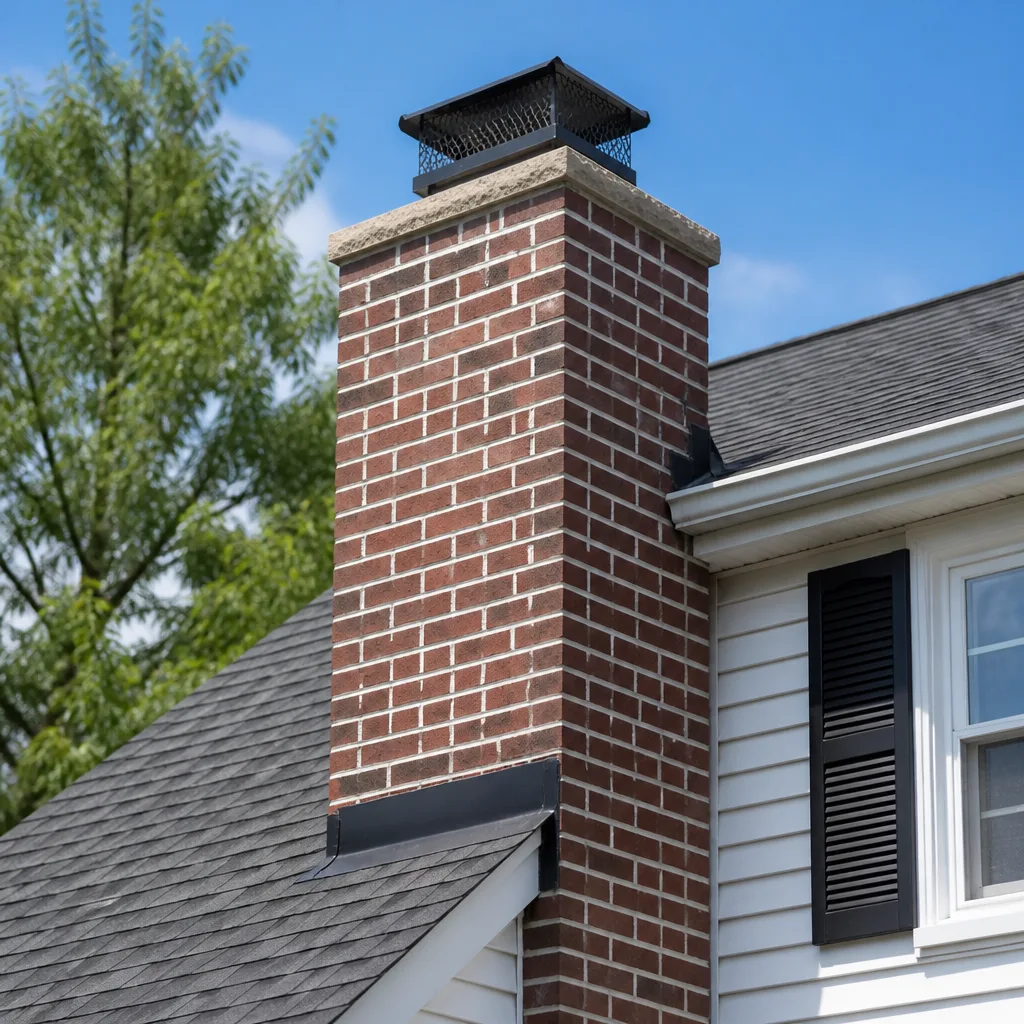
- Masonry and mortar joints. Spalling brick, crumbling mortar, and visible gaps in the exterior are all signs that water has been getting in and structural integrity may be compromised.
- Draft and airflow. A flue that doesn’t draft properly allows smoke and carbon monoxide to back up into the living space. This is checked with the firebox, damper, and flue all evaluated together.
- Connections and appliance venting. For gas fireplaces or wood stoves, the vent connector and any Olympia Chimney or Famco venting components need to be secure and properly sized.
What separates a useful inspection from a checkbox is documentation. We photograph what we find, note the condition of each component, and explain what each finding means for how your chimney would perform under fire conditions. You should leave an inspection knowing which items are fine, which need watching, and which need repair before the first fire of the season.
What to Do if a Chimney Fire Starts
The correct response to a chimney fire is a sequence, not a scramble. Knowing it in advance matters because chimney fires can sound like a distant roar, a crackling, or a low rumble, and the instinct to investigate before acting costs time you don’t have.
If you suspect a chimney fire, do these things in order:
- Get everyone out of the house and call 911. This is the first step, not the last. A chimney fire can spread to the structure faster than you can assess it from inside.
- Close the glass doors or firebox screen if you can do so safely on your way out. Starving the fire of oxygen in the firebox helps limit its intensity.
- Do not pour water on the fire. A sudden temperature drop can crack the flue liner or masonry, and the resulting steam can cause serious burns.
- Do not close the damper. The fire needs to vent upward. Closing the damper traps heat and smoke in the flue and can force it into the room.
- Do not go onto the roof. Chimney fires can dislodge masonry and caps, and the roof surface is not a safe place to be during one.
- Once the fire department has cleared the scene, do not use the chimney again until it’s been inspected. A fire that looked small from inside the house can still have damaged the liner or cracked the masonry in ways that aren’t visible.
What not to do is just as important as what to do. Don’t try to fight a chimney fire with a household extinguisher aimed up the flue. Don’t wait to see if it “goes out on its own.” And don’t re-light the fireplace later that evening to check if everything’s fine. The post-fire inspection exists for a reason, and we’ll cover what it involves next.
How Creosote Stages Change the Outcome of a Fire
Creosote is the residue left behind when wood burns incompletely. It accumulates on the inside of the flue, and its physical state determines how it behaves when exposed to heat. There are three recognized stages, and each one changes what a chimney fire actually looks like in practice.
- Stage 1 creosote is a light, flaky, soot-like deposit. It’s the easiest to remove and the least combustible. A chimney in this condition, when swept regularly, rarely presents a serious fire risk from creosote alone.
- Stage 2 creosote is a hardened, tar-like coating that clings to the flue walls. It’s more combustible than stage 1 and harder to remove with a standard brush. This is the stage most common in Cottonwood Heights homes that burn wood regularly through the heating season without an annual cleaning.
- Stage 3 creosote is a glazed, hardened, fuel-rich deposit. It’s the most combustible and the most dangerous, and it can ignite from a single hot fire. Stage 3 is what turns a chimney fire from a contained nuisance into a potential total-loss event, because the deposited fuel itself sustains the fire at extremely high temperatures for longer than the flue was designed to handle.
The difference between a manageable fire and a catastrophic one often comes down to which stage is present when the fire starts. A flue with light stage 1 deposits may weather a small fire without structural damage. A flue with stage 3 deposits, especially if the liner is already cracked or the crown is failing, gives that heat a path into the framing.
You cannot reliably identify creosote stage by looking up the flue with a flashlight from the firebox. Stage 2 and stage 3 deposits often look similar from below, and glazed stage 3 can be nearly invisible. Only a professional sweep with proper tools and lighting can confirm what stage is present, which is one reason a cleaning visit is not just housekeeping. It’s a hazard assessment.
The Post-Fire Protocol: Inspection Before Reuse
A chimney that has had a fire in it must be inspected before it’s used again. This is not optional, and it’s not a precaution you can skip if the fire “seemed small.” Heat damage is often invisible from the firebox. A liner can crack on the exterior surface where you can’t see it, mortar can fail inside the chimney cavity, and the crown can shift enough to open a gap that lets water in all winter.
What a post-fire inspection involves depends on the extent of the damage. In many cases, a Level 2 inspection with a camera is enough to see the full length of the flue and identify cracks, gaps, or displaced tiles. If the fire was severe or there’s visible damage to the exterior masonry, a Level 3 inspection may be needed. That involves accessing concealed areas of the chimney, which can mean opening a wall or removing part of the chimney structure so the inspector can see what’s behind it.
Fire-damaged flues often need repair before they can be used safely. In some cases, HeatShield resurfacing can restore a cracked or spalled flue without a full reline, which saves cost. In more serious cases, a new liner from a product line like DuraFlex is the right repair. Either way, the decision comes from what the inspection actually found, photographed and documented, not from a guess.
We don’t recommend relighting a fireplace until the inspection report says the flue is sound. If that means waiting a few days for the inspection, that’s a much better outcome than discovering a compromised liner the next time the fireplace is used.
What Documentation to Keep for Insurance
If you ever need to file a claim after a chimney-related incident, the paperwork you kept beforehand can be the difference between a smooth claim and a contested one. Insurers want evidence that the chimney was maintained, that any repairs were done with proper materials, and that the work was documented by a professional.
The records worth keeping in a folder, digital or physical, include:
- Inspection reports. Each report should note the date, what was inspected, findings, and recommendations. A report that says only “chimney looked fine” is not useful. What you want is a report with specific findings tied to specific components.
- Cleaning records. Date of each sweep and what was removed. If the record notes creosote stage, that’s valuable context for showing the chimney was being monitored.
- Product documentation. If a liner, cap, crown, or venting component was installed, keep the product information. A HeatShield application, a Gelco cap, an Olympia Chimney liner, or Famco venting components each come with manufacturer documentation. Insurers sometimes want to confirm the materials used were appropriate to the application.
- Invoices and work orders. These show that the work was done, by whom, and when.
- Photographs. Any before-and-after photos the technician captured during inspection or repair are worth keeping. They document condition at a point in time.
If you’ve bought a home in Cottonwood Heights and don’t know the chimney’s history, the first thing to do is book an inspection. A baseline report gives you a starting point and gives your insurer something to reference if a question ever comes up. From that point forward, keeping each year’s report builds a documented maintenance history.
How Often Do Cottonwood Heights Chimneys Need Cleaning?
The general rule is an annual cleaning and inspection for any chimney in active use. In Cottonwood Heights, where the heating season is long and many homes burn wood regularly from fall into spring, that annual cadence matters more than it does in milder climates. A chimney that sees heavy use through a cold winter accumulates creosote faster than one that’s used occasionally.
Beyond the annual baseline, certain conditions mean a chimney should be checked sooner:
- Burning unseasoned or green wood, which produces more creosote per fire than dry, seasoned wood.
- Restricted airflow through the firebox, often from an undersized flue or a partially closed damper left that way by habit.
- Cool flue temperatures, which are common in exterior chimneys and which cause smoke to condense and deposit creosote more quickly.
- Any change in how the fireplace behaves, including smoke backing into the room, a persistent smell of creosote, or a fire that’s harder to start than it used to be.
If you’ve never had the chimney in your Cottonwood Heights home cleaned, or you don’t know when it last was, treat it as overdue. A first chimney sweep establishes the baseline and tells you whether any repair work is needed before the next heating season. If a repair is needed, we can often handle it in the same visit or schedule a follow-up, so you’re not chasing down a second contractor for chimney repair after the sweep is done.
The Structural Checks Most Homeowners Overlook
Most chimney concern focuses on what’s inside the flue. But the structural components around the flue are equally important, and in Cottonwood Heights they take a specific kind of beating. The freeze-thaw cycles of a high-altitude winter work on masonry in a way that a milder climate doesn’t replicate, and water intrusion is the most common pathway to long-term damage.
The two components that matter most for structural integrity are the crown and the cap:
- The crown is the sloped concrete or masonry surface at the very top of the chimney. Its job is to shed water away from the flue opening and off the chimney structure. A cracked or deteriorating crown lets water into the masonry beneath, where it freezes, expands, and opens the joints further. Over time, this weakens the whole chimney. HeatShield applications and crown repairs address this directly, but only if the damage is caught before the masonry is deeply compromised.
- The chimney cap sits over the flue opening itself. A well-fitted cap keeps out rain, snow, birds, squirrels, and debris. A missing or poorly fitted cap leaves the flue wide open to weather and wildlife. A bird nest or a raccoon in the flue is not just an inconvenience, it’s a blockage that can force carbon monoxide into the home.
We recommend Gelco caps for most Cottonwood Heights homes because they’re sized to fit the flue properly and hold up well to weather. Cap replacement is one of the most cost-effective preventive measures available, since it addresses the primary entry point for the water damage that shortens a chimney’s life.
If your inspection report flags the crown or cap, that’s a repair worth doing before winter. Water damage compounds. What starts as a hairline crack in the crown becomes a masonry repair and, eventually, a full chimney rebuild if it’s left alone through enough freeze-thaw cycles.
Building a Seasonal Chimney Routine
Emergency preparedness is really a routine, not a checklist for the day something goes wrong. Homeowners who avoid chimney emergencies are usually the ones who’ve built a rhythm around the heating season: a sweep and inspection before the first fire, a check of the cap and crown before winter storms, and repairs completed while the weather still allows.
A practical seasonal routine for a Cottonwood Heights home looks like this:
- Late summer or early fall: Book the annual cleaning and inspection before the heating season starts. This gives time to schedule any repairs before the first fire.
- Before the first fire: Review the inspection report. Confirm the flue is clean, the liner is sound, the cap is in place, and the crown is intact. If the report recommended repairs, complete them now rather than after the first fire.
- During the heating season: Burn dry, seasoned wood. Keep the damper fully open during fires. Notice changes in how the fireplace performs and treat them as signals worth investigating.
- After the last fire of the season: Have the chimney cleaned to remove the season’s accumulation, so it doesn’t sit in the flue all summer. Creosote is corrosive, and left in place through the off-season it can degrade the liner.
- Year-round: Keep the inspection and cleaning records together. These are what you’ll reference if a question ever comes up with your insurer or if you decide to sell the home.
The routine is simple, but it’s the routine that determines whether a chimney fire, if one ever happens, is a contained event or a structural one. The difference isn’t a piece of equipment. It’s the decisions made during the previous cleaning visit. If you’d like to start on that Chimney Sweep Cottonwood Heights routine or book a fireplace repair before the season, we can help you plan the visit around your schedule.
Common Mistakes to Avoid
- Skipping the annual sweep because the fireplace “looked fine” last year. The deposit that causes a chimney fire usually accumulates silently. A visual check from the firebox tells you almost nothing about what’s on the flue walls above.
- Burning green or unseasoned wood to save money. Green wood produces more creosote per fire than seasoned wood, and in Cottonwood Heights, where the heating season runs long, that accumulation adds up fast. Seasoned wood is the cheaper choice over a season.
- Ignoring a cracked crown because “it’s just a small crack.” Small cracks widen with every freeze-thaw cycle. What looks minor in fall can turn into visible masonry damage by spring.
- Leaving the chimney cap off after a repair. A missing cap leaves the flue open to weather, debris, and wildlife all year. It’s one of the easier fixes and one of the more consequential ones.
- Relighting the fireplace after a chimney fire without an inspection. Heat damage to the liner or masonry is often invisible from the firebox. Reusing the chimney before inspection risks a second, more serious fire.
- Assuming a gas fireplace doesn’t need chimney attention. Gas fireplaces and their venting still need periodic inspection, and components like Olympia Chimney or Famco venting should be checked the same way a wood flue is.
- Buying a home and not asking for the chimney’s maintenance records. If the previous owners didn’t clean it, or didn’t keep records, the chimney in your new Cottonwood Heights home may be a discovery. A baseline inspection resolves the question.
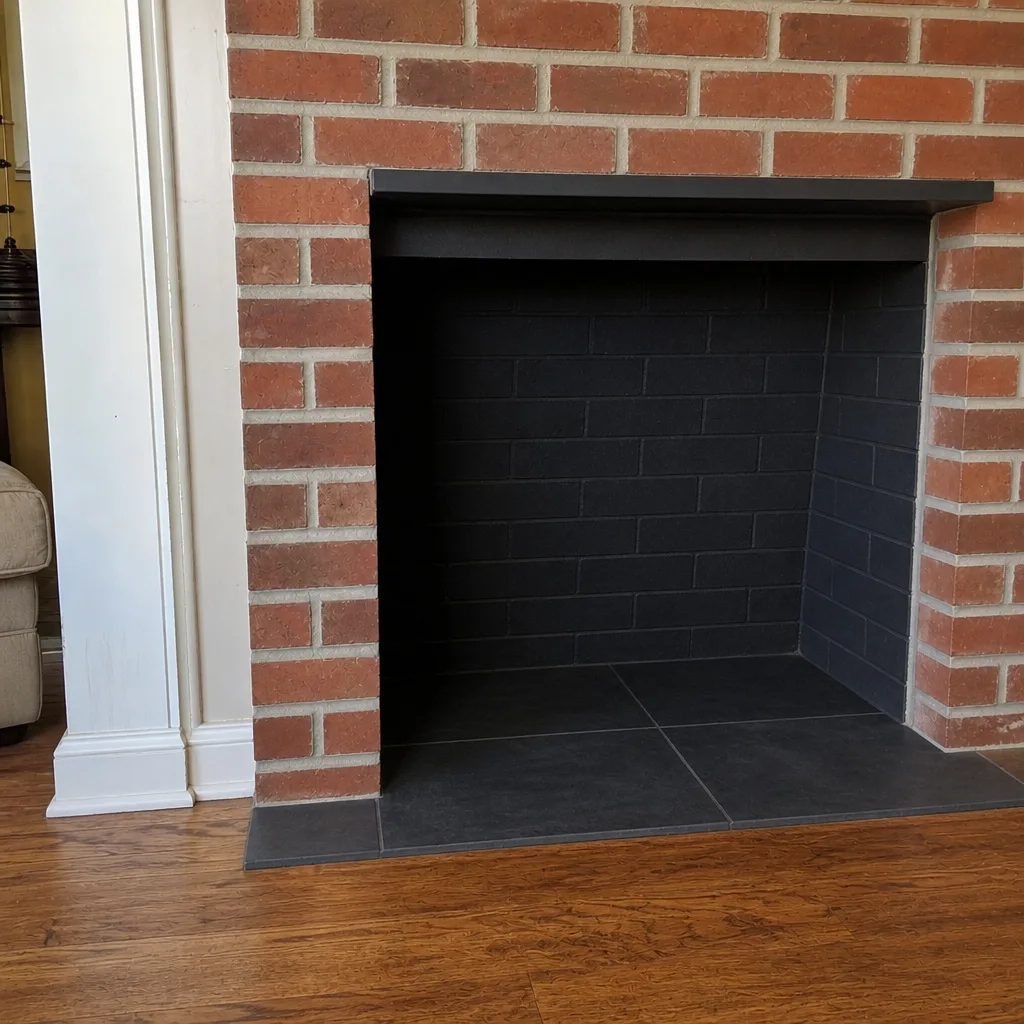
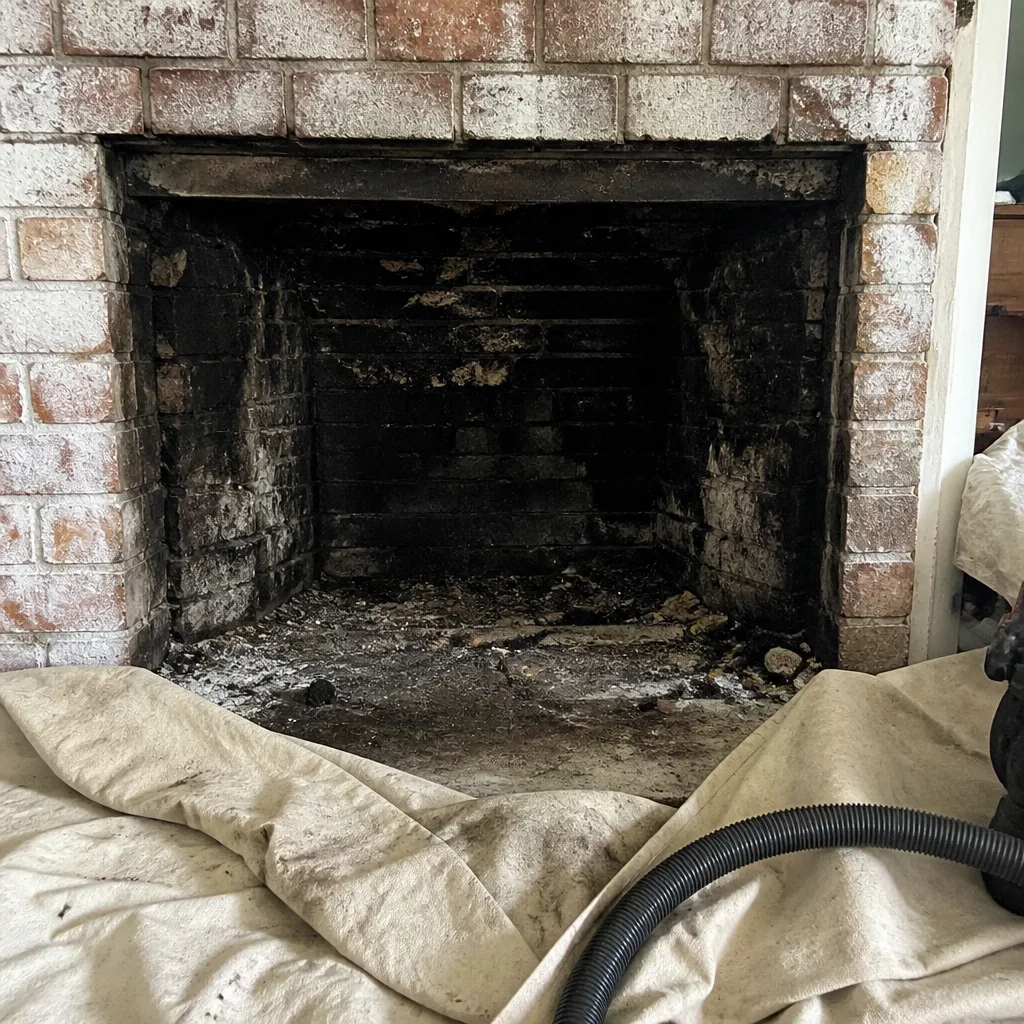
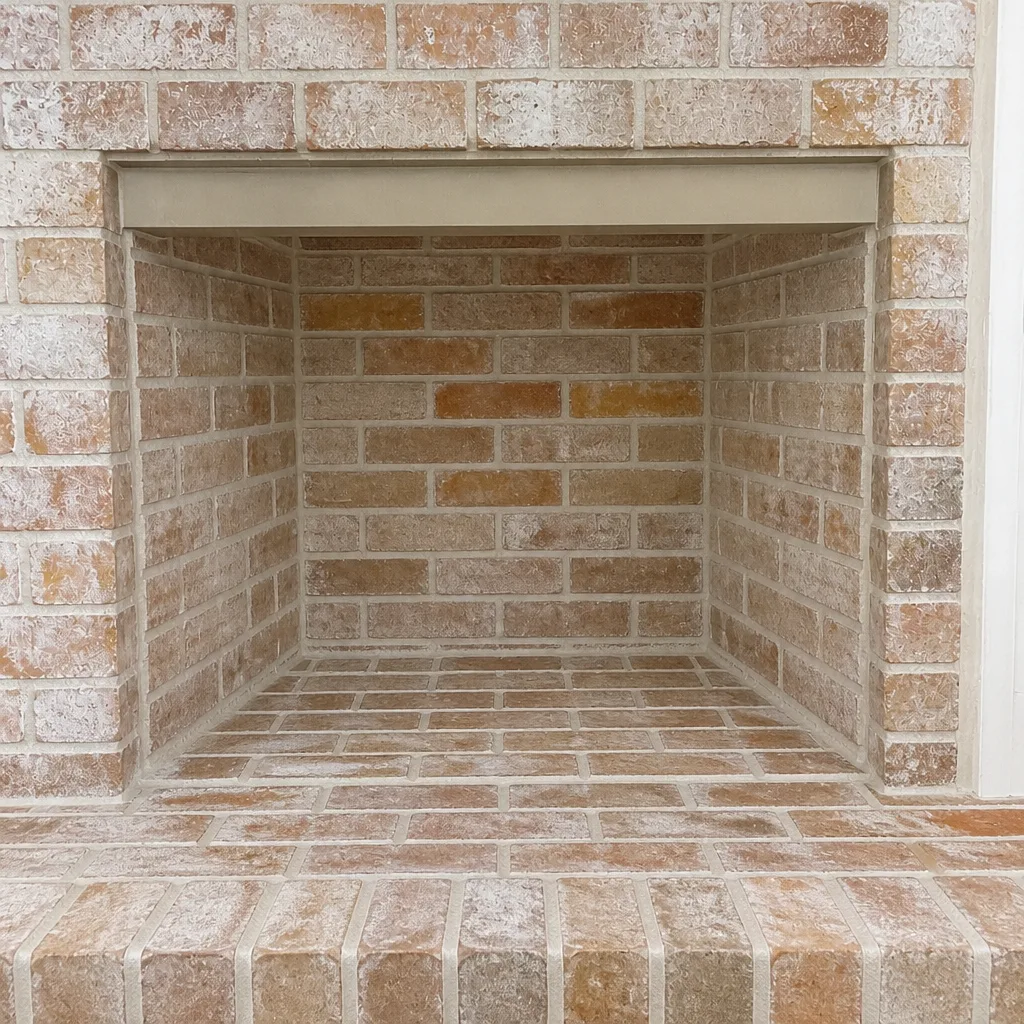
See the difference
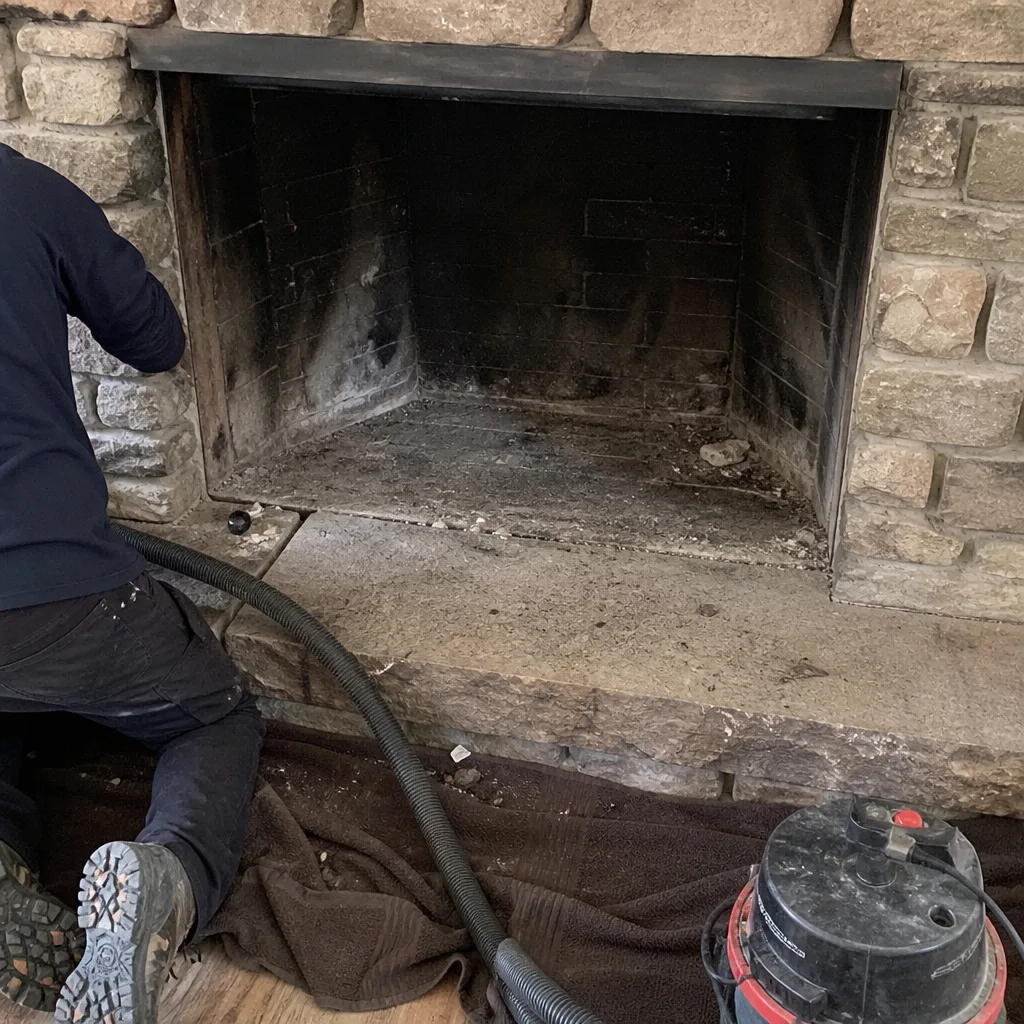 Before
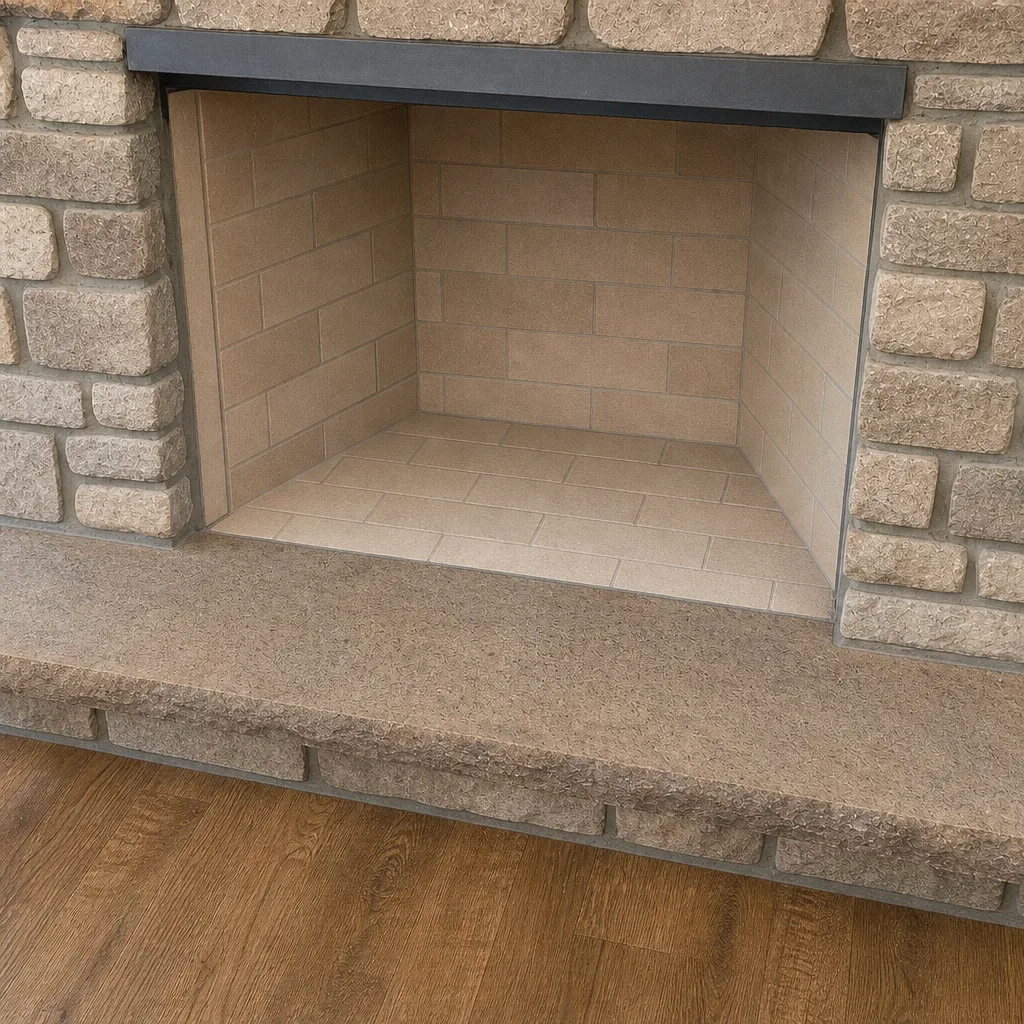 After
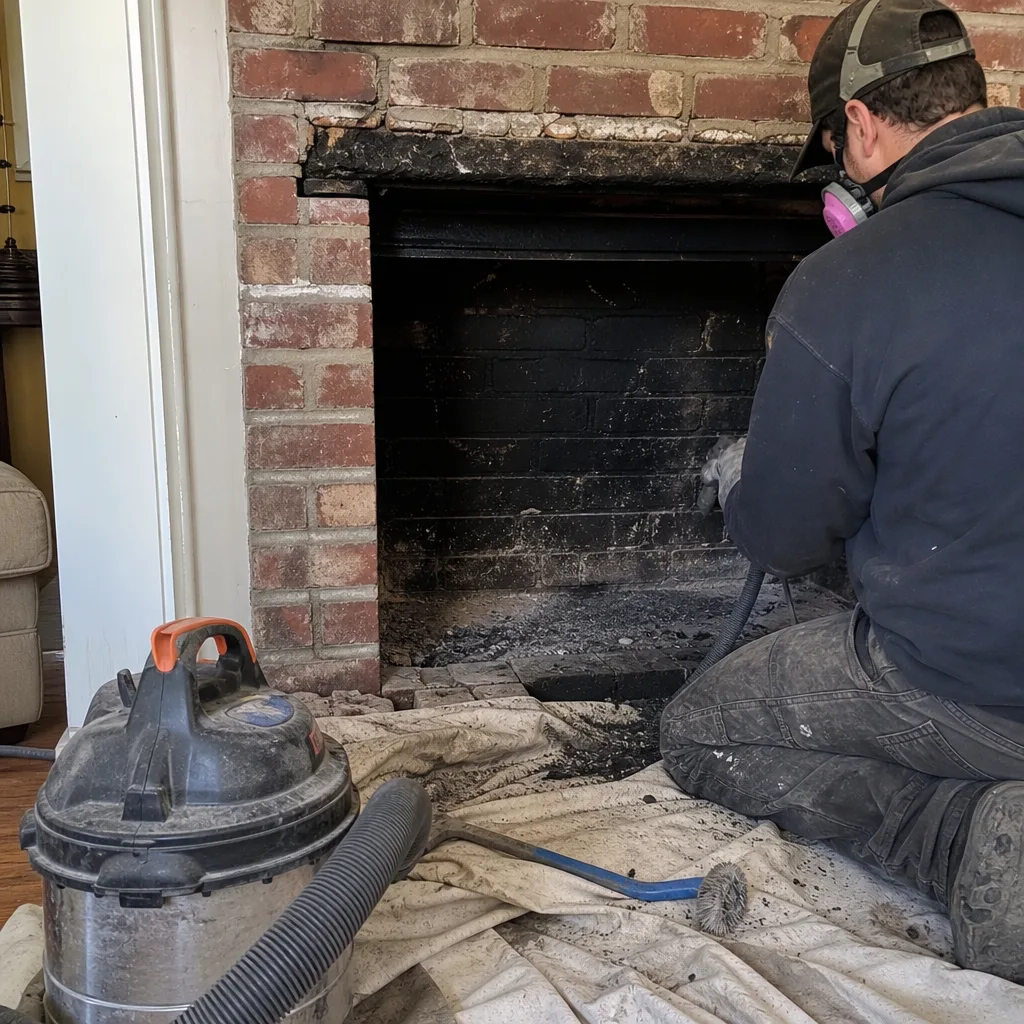 Before
 After
 Before
 After
When to Call a Professional
Call a professional sweep before the heating season if your chimney hasn’t been cleaned in the past year, if you’ve recently moved into a home in Cottonwood Heights and don’t know the chimney’s history, or if the inspection report from your last visit recommended repair. Call sooner if you notice any of the following: a strong creosote smell in the house when the fireplace isn’t in use, smoke backing into the room, visible cracking in the crown or masonry, a missing or damaged cap, or any residue or staining on the exterior of the chimney. And if there’s been a chimney fire, call for an inspection before the fireplace is used again. Chimney Sweep Cottonwood Heights offers free estimates in Cottonwood Heights. Call (866) 589-3511.
Frequently Asked Questions
Once a year for any chimney in active use. In Cottonwood Heights, where the heating season runs long and many homes burn wood steadily through the cold months, an annual cleaning and inspection is the baseline. Homes that burn heavily or burn unseasoned wood should be checked more frequently, and any chimney that hasn’t been cleaned in over a year should be booked for a sweep. Call (866) 589-3511 for an exact quote. Estimates are free.
It’s much less likely if the chimney is genuinely clean and the liner is intact. Creosote accumulation is the primary fuel source for chimney fires, and a professional sweep removes it. That said, a clean chimney with a cracked liner, a deteriorated crown, or blocked venting can still present a safety risk. This is why a cleaning visit and inspection belong together, not as separate services.
Get everyone out of the house and call 911. Do that before investigating, before trying to look up the flue, and before trying to do anything else. Once the fire department has cleared the scene, have the chimney inspected before using it again. A fire that looked small from inside the living room can still leave the flue compromised.
A thorough inspection checks the flue liner, crown, cap, masonry joints, damper, and draft, along with how the firebox and venting connect. The inspection produces a written report that identifies each component’s condition and explains what each finding means for fire safety. A camera inspection, photos, and a clear explanation of any recommended repairs should all be part of the report.
Not every damaged flue needs a full reline. HeatShield resurfacing can restore a cracked or spalled flue in many cases, extending liner life without the cost of replacement. Whether resurfacing is appropriate depends on the extent of the damage, which is why the inspection report matters. If the liner isn’t salvageable, a DuraFlex or comparable liner replacement may be necessary. Call (866) 589-3511 for an exact quote. Estimates are free.
Keep the inspection report, the work order and invoice for the repair, any product documentation for the materials used, and any before-and-after photos. For a HeatShield application, a Gelco cap, an Olympia Chimney liner, or Famco venting components, the manufacturer documentation should go in the same folder. If a claim is ever filed after a chimney incident, that documentation shows what was done and when. Call (866) 589-3511 if you need to request copies from a past visit. Estimates are free.
The Bottom Line
Chimney fire preparedness isn’t about knowing what to do in the four minutes a fire is burning. It’s about the work done months before, during a cleaning and inspection visit that confirms the flue liner is sound, the crown and cap are intact, and the creosote stage is known. In Cottonwood Heights, the freeze-thaw cycle makes structural integrity just as important as a clean flue, and the documentation from each year’s visit matters for both safety and insurance. Book the sweep, review the report, complete the repairs before the season, and keep the records. That’s the preparedness plan. Call (866) 589-3511. We answer 24/7. Fast dispatch from 7am to 7pm, Sunday through Friday.
Written by the team at Chimney Sweep Cottonwood Heights.