
Last updated November 23, 2026
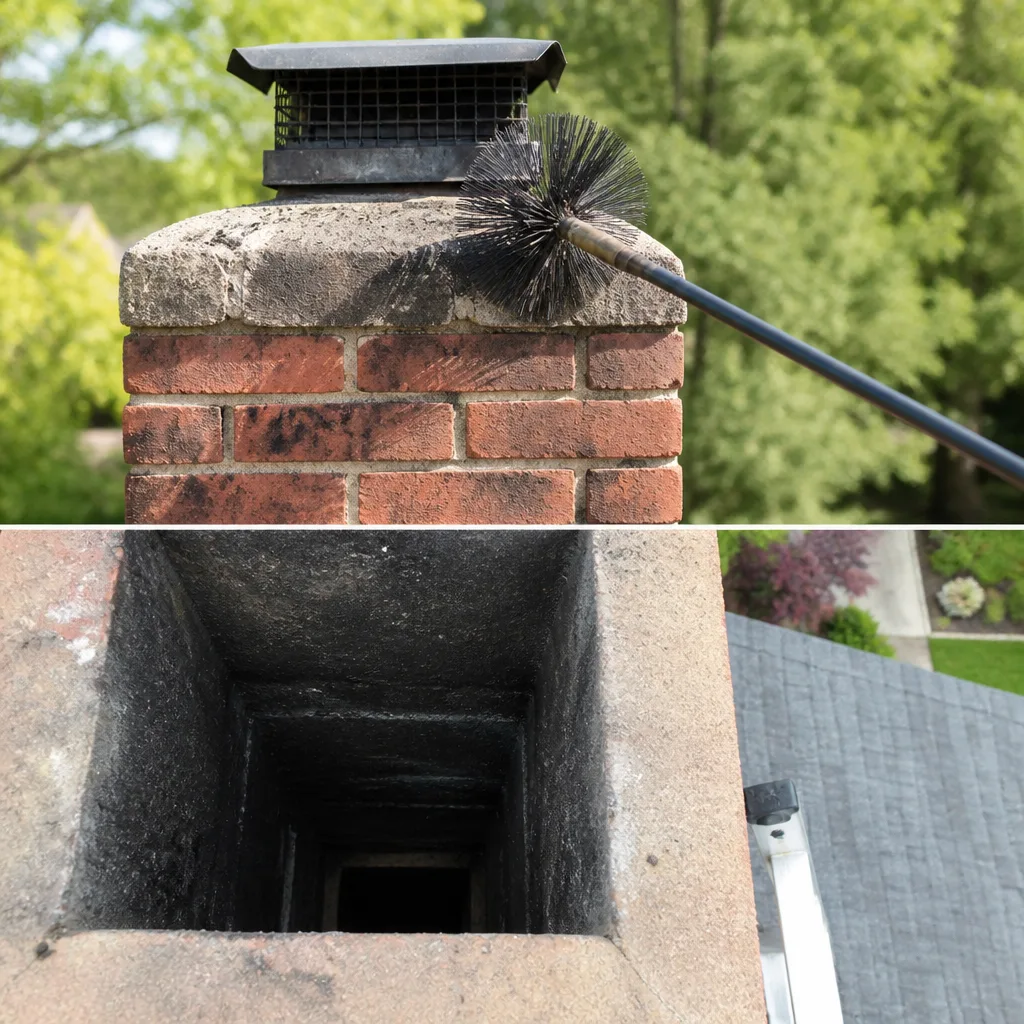 Sweep & inspection
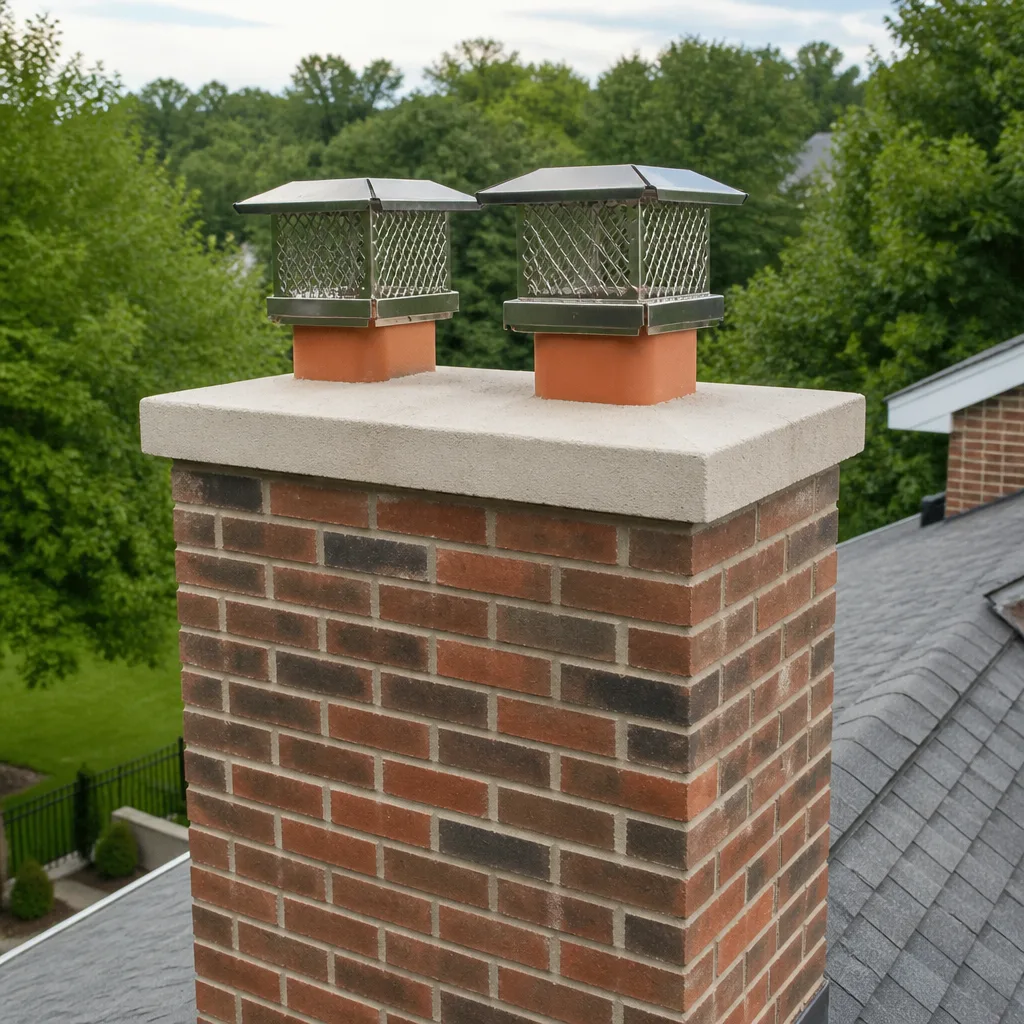 Caps & crowns
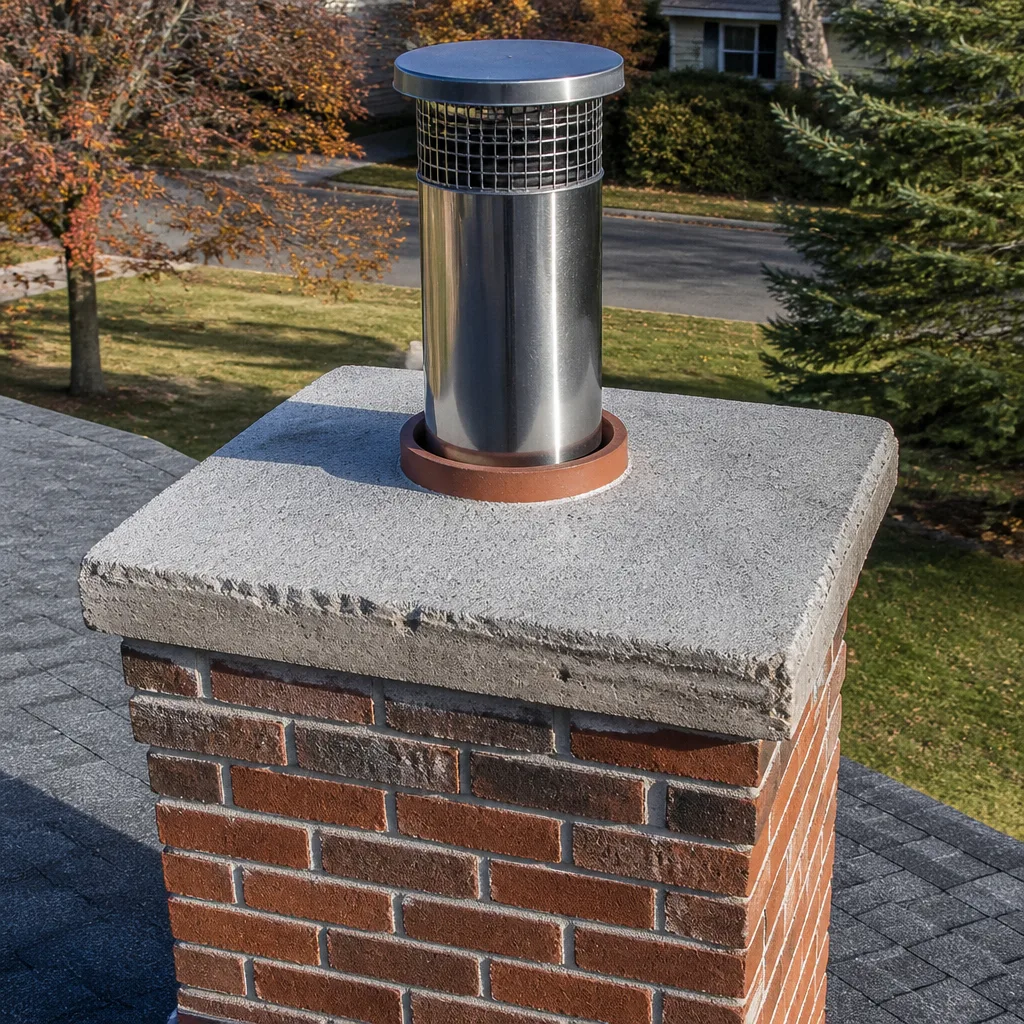 Flue relining
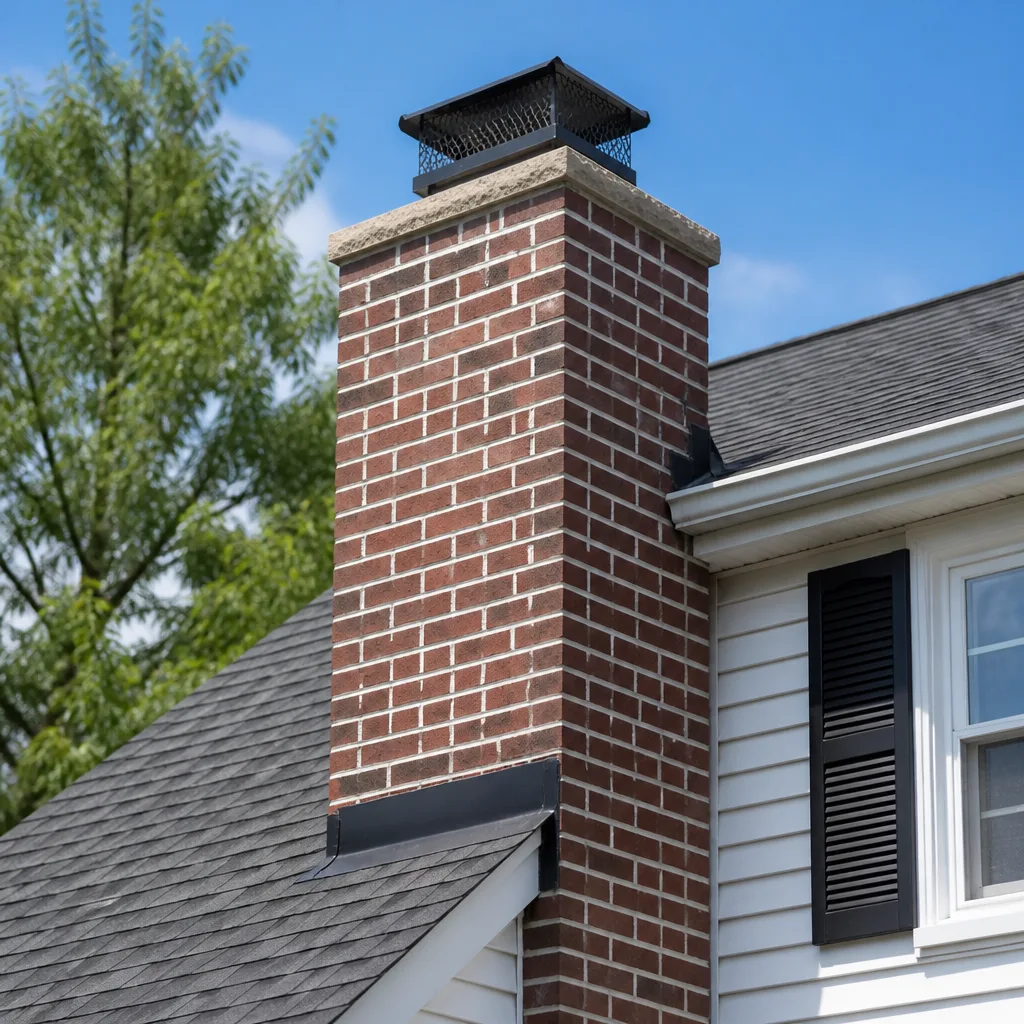 Masonry repair
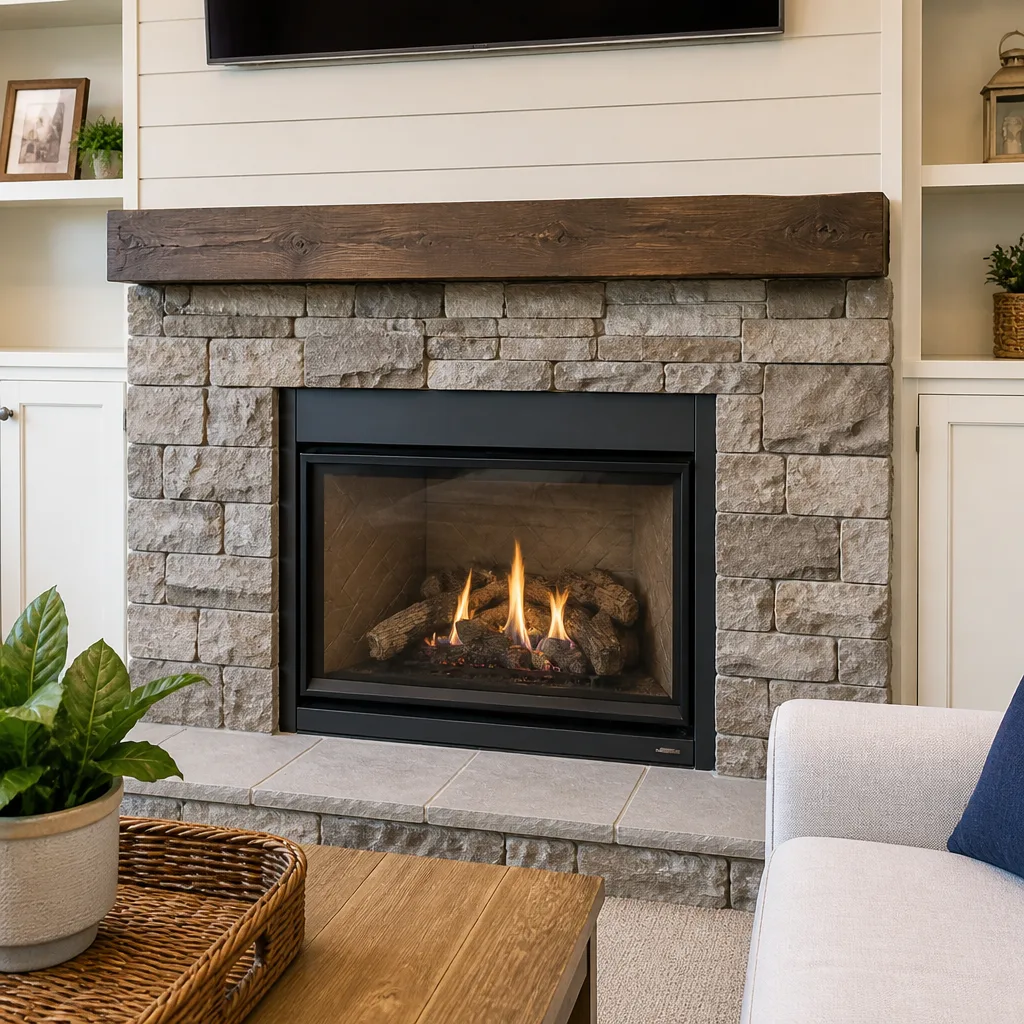 Gas fireplace service
Level 1 sweep and inspection to the NFPA 211 annual standard - flue, crown, cap, and flashing checked and photographed
Chimney sweep logs do not sweep chimneys. They loosen some creosote - which then falls where a brush and vacuum still have to collect it.
Chimney Cleaning Permits, Codes & Inspections in Cottonwood Heights, UT: What You Need to Know
A chimney liner replacement done without a permit isn’t just a code violation. It can quietly undermine your homeowner’s insurance coverage for a future fire loss and turn into a headache when you try to sell your home. Most people assume permits are for new construction, not for repairs on an existing chimney. In Cottonwood Heights, that assumption can cost you. This guide walks through which chimney projects require permits, how the International Fire Code applies locally, what a code-compliant inspection actually documents, and how to verify that a repair was properly permitted and closed before you sign anything at closing.
Quick Answer
In Cottonwood Heights, Utah, tasks like a standard chimney cleaning or a visual inspection generally don’t need a permit. Structural work such as a liner replacement, a firebox rebuild, or a gas insert conversion often does, because Utah has adopted the International Fire Code and local enforcement applies to repairs, not only to new installations. A certified Level 1, 2, or 3 inspection report is what carries legal and insurance weight; a sweep’s verbal “looks good” has no regulatory standing.
Styles & brands we work with
- Sweep & inspection
- Caps & crowns
- Flue relining
- Masonry repair
- Gas fireplace service
Table of Contents
- Which chimney work in Cottonwood Heights triggers a permit?
- How NFPA 211 applies in Cottonwood Heights
- Cleaning versus Level 1, 2, and 3 inspections
- What “passing inspection” actually means
- Utah’s IFC adoption and what it means for repairs
- How to verify a completed repair was permitted and closed
- Protecting yourself at resale
- Insurance exposure and the paper trail
Which Chimney Work in Cottonwood Heights Triggers a Permit?
The short answer is that cleaning never needs a permit, and structural changes usually do. The gray area is in repairs that alter the flue, the firebox, or how the appliance vents. In Cottonwood Heights, those fall under building and fire code review because they change how a house safely vents combustion gases. It’s not about paperwork for its own sake. A permitted job means an inspector confirmed the work meets code before it disappears behind masonry.
Here’s the practical breakdown for chimney work in Cottonwood Heights:
- Standard cleaning and sweep: no permit. This is maintenance, not construction.
- Liner replacement: almost always requires a permit. It’s a structural change to the flue and affects venting integrity.
- Firebox rebuild or relining with resurfacing: typically permitted, since the firebox is part of the structural venting system.
- Gas insert conversion: permitted. Changing fuel type or appliance category changes the venting requirements.
- Cap and crown replacement: usually no permit when it’s a like-for-like replacement; ask your building department if the crown profile or material changes.
- Full chimney rebuild or removal: definitely permitted.
Cottonwood Heights sits at the base of the Wasatch foothills, where homes range from mid-century builds to newer construction in neighborhoods like Cottonwood Heights proper, Mount Olympus, and the ridges near Big Cottonwood Canyon. Older homes often have original clay tile flues that fail the requirements for a modern appliance. When we look at a flue that needs relining, the question of a permit comes up quickly. If you’re dealing with that decision, our chimney repair page walks through the repair options and what triggers a permit.
How NFPA 211 Applies in Cottonwood Heights
NFPA 211 is the national standard for chimneys, fireplaces, vents, and solid fuel appliances. It’s the reference document that inspectors and chimney professionals return to when deciding whether a chimney is safe. It isn’t a law by itself, but code officials adopt it and reference it, which gives it real authority in Cottonwood Heights and across Salt Lake County. When you hear that a chimney is “up to code,” NFPA 211 is usually the yardstick behind that claim.
The standard addresses clearances to combustibles, flue sizing, the condition of the liner, and the requirements for inspection and maintenance. A code-compliant inspection report should document:
- The condition of the flue interior, ideally with photos or video evidence.
- Clearances from the chimney to combustible materials, including framing and roof sheathing.
- The condition of the firebox, damper, smoke chamber, and cap.
- Whether the appliance is vented appropriately for its category.
- Any visible signs of water intrusion, cracking, or deterioration.
- The inspector’s findings, with a clear note on what is safe, what needs monitoring, and what needs repair.
In Cottonwood Heights, the winter freeze-thaw cycle along the foothills stresses masonry more than many homeowners expect. Water gets into cracks, freezes, expands, and opens them wider. That’s one reason a proper crown and cap matter here: they’re the first defense against the moisture that accelerates flue deterioration. Missing or damaged caps are common findings in older Cottonwood Heights homes. Our Chimney Sweep Cottonwood Heights page covers how the inspection process actually works in these conditions.
Cleaning Versus Level 1, 2, and 3 Inspections
Not every cleaning visit includes an inspection, and not every inspection carries the same weight. This is one of the most misunderstood points in chimney care. The difference between a cleaning and a certified inspection is the difference between a technician brushing soot out of your flue and a documented, standards-based evaluation that an insurer, buyer, or code official will take seriously.
Cleaning
A cleaning removes creosote, soot, and obstruction from the flue. It’s maintenance. It doesn’t, on its own, produce a report documenting the structural condition of your chimney. Many basic sweep services stop here and hand you a verbal summary. That’s fine for keeping creosote in check, but it doesn’t give you a paper trail.
Level 1 Inspection
This is the routine, annual inspection. It covers readily accessible portions of the chimney, flue, and appliance, and it’s what most homeowners need each year when their setup hasn’t changed. It’s the baseline check that catches problems early.
Level 2 Inspection
A Level 2 inspection is required when a property changes hands, when an appliance is replaced or changed, or after an event like a chimney fire or an earthquake. It’s more thorough than a Level 1 and often uses a camera to examine the flue interior. This is the inspection that carries real weight in a real estate transaction.
Level 3 Inspection
A Level 3 is diagnostic and may involve removing parts of the chimney or adjacent structure to access areas that can’t otherwise be reached. It’s done when a Level 1 or 2 finds a serious, concealed concern. It’s the most involved and the most expensive, and it’s reserved for situations that genuinely require it.
In our experience, homeowners in Cottonwood Heights often call for a “cleaning” when what they actually need is a Level 2 inspection with documentation. That happens most often when they’re preparing to sell or when their insurer has asked for paperwork. When that’s the case, we say so plainly rather than letting them pay for the wrong service.
What “Passing Inspection” Actually Means
When a sweep tells you your chimney “looks good,” you haven’t actually had an inspection. You’ve had an opinion. Passing inspection means a trained professional evaluated your chimney against a recognized standard and documented what they found, with evidence. That’s why a certified Level 1, 2, or 3 report carries weight while a quick verbal summary doesn’t.
The phrase “passed” gets used loosely. In practice, a chimney doesn’t “pass” or “fail” the way a car does at an emissions test. An inspection produces findings. Some findings are minor and can be monitored. Some are serious and need repair before the fireplace is used again. What you want is a report that tells you:
- What was inspected and how (visual, camera, structural).
- What was found, described clearly and in plain language.
- What each finding means for safety and what options exist.
- What can safely wait and what should be addressed before the next fire.
Without that, a homeowner has no way to verify a recommendation. This is the heart of the problem we hear about most: someone is told they need thousands of dollars of liner or masonry work with nothing to go on. Our answer is simple. Nothing gets recommended without evidence you can see for yourself, and we say plainly when work can safely wait. If a repair is genuinely urgent, we’ll tell you why. If it isn’t, we’ll tell you that too.
Utah’s IFC Adoption and What It Means for Repairs
Utah has adopted the International Fire Code, and local jurisdictions apply it to chimney work that affects fire safety. In Cottonwood Heights, that means certain repairs are reviewed the way a new installation would be. The reasoning is straightforward: a liner that’s improperly sized or improperly installed is a fire and carbon monoxide hazard whether it’s new or a replacement.
The IFC framework focuses on clearances, venting, and the safe installation of appliances. When a repair alters any of those, a permit and an inspection are how the code gets verified. Skipping that step doesn’t make the code go away. It just means the work was done outside of it.
A few things Cottonwood Heights homeowners should know:
- Permitted work gets inspected by the local building or fire authority, which gives you an independent check on the contractor.
- Unpermitted work is invisible to code enforcement until something goes wrong, usually at a sale or after a fire.
- Insurers increasingly ask for documentation of structural work, and an unpermitted repair can complicate a claim.
- Contractors who routinely pull permits for chimney work are operating to a different standard than those who don’t.
We work with professional-grade product lines because the materials matter as much as the permit. DuraFlex liner systems, HeatShield chimney resurfacing, Gelco caps, Olympia Chimney components, and Famco venting products are the kinds of materials that meet code and last. HeatShield resurfacing, in particular, can restore a damaged flue without the cost of full relining, and it’s a repair option many basic sweep companies can’t offer. If your flue has cracked tiles that don’t yet require a new liner, resurfacing can be the right move.
How to Verify a Completed Repair Was Permitted and Closed
Here’s where homeowners get caught at resale. The work was done, but there’s no record it was ever inspected or closed out. Verifying a chimney repair was properly permitted isn’t complicated, but it does require asking the right questions. In Cottonwood Heights, as in most Utah municipalities, you can do this yourself with a few steps.
- Ask for the permit number. A licensed contractor should be able to provide it. If they can’t, that’s a red flag.
- Contact the Cottonwood Heights building department. Give them the address and the permit number. They can tell you the status of the permit and whether it was finaled.
- Request the inspection record. A closed permit means an inspector signed off on the work. That document is what protects you.
- Get the final report. Ask for the inspection report from the contractor, not just a paid invoice.
- Keep copies. Store the permit, inspection record, and contractor report with your home documents. You’ll want them at resale.
A repair that was never permitted can be a problem even if it was done well. At closing, a buyer’s inspector may flag it, and a lender may require it to be brought into compliance. The cost of retroactive permitting and re-inspection can be significant, and it’s entirely avoidable. When we complete work that requires a permit, we treat the final inspection as part of the job, not an optional extra. That’s part of what “one company handles the sweep, the inspection, and any repairs your chimney needs” actually means in practice.
Protecting Yourself at Resale
When you sell a home in Cottonwood Heights, your chimney joins the list of things a buyer’s inspector will look at. A missing permit record, an unpermitted liner replacement, or a repair with no inspection sign-off can stall a sale or force a price concession. The buyer’s leverage is that they can demand proof, and you have to either produce it or resolve the gap.
The simplest protection is to keep a paper trail from the start. That means:
- Filing a copy of every permit and inspection sign-off with your home records.
- Requesting a Level 2 inspection before listing, especially if your chimney has been repaired.
- Disclosing any known chimney condition honestly in the seller’s disclosure.
- Having a certified report in hand if a buyer asks about the condition of the fireplace or chimney.
A Level 2 inspection before listing does two things. It surfaces any issues while you still have time to address them, and it gives you documentation to show a buyer. Both reduce the chance of a last-minute negotiation. If the inspection finds a problem, we’d rather you know now than at closing. For a wider look at the repair side of things, our fireplace repair page covers common issues and how they’re addressed.
Insurance Exposure and the Paper Trail
Most homeowners never think about their chimney until an insurer asks about it. That’s when the paper trail matters. If a chimney fire or carbon monoxide incident traces back to a structural repair that wasn’t permitted or inspected, an insurer may question whether the coverage applies. We’re not an insurance company and we don’t write policy language. But we’ve seen enough questions from homeowners to know the documentation is worth keeping.
Insurance carriers look at three things when evaluating a chimney-related claim: whether the work was done by a licensed and insured professional, whether the work met code, and whether there’s documentation showing it was inspected. A permit and a closed inspection are the simplest, most credible proof of all three. A verbal assurance from a sweep doesn’t survive a claim review.
That’s why we work the way we do. We provide camera inspection and photo documentation so you have evidence, not a vague summary. We use professional-grade materials from brands like Olympia Chimney and Copperfield because those materials meet the standards an insurer expects. And we tell you what we found in plain language so you can make a decision based on evidence. When work is complete, we want you to have the documentation that keeps you covered.
Common Mistakes to Avoid
- Assuming a cleaning includes an inspection. A standard sweep removes soot; it doesn’t produce a documented Level 1, 2, or 3 report. Ask what’s included before you book, especially in Cottonwood Heights where older homes are common.
- Skipping the permit on a liner replacement. This is the most tempting one to skip because it’s invisible to the homeowner afterward. It’s also the one most likely to create insurance and resale headaches.
- Trusting a verbal “looks good.” If you can’t see the findings, you can’t verify them. Ask for camera evidence and a written report, not a summary.
- Not checking permit status before closing. Buyers and lenders do check in Cottonwood Heights. A permit that was never finaled is a problem waiting to surface.
- Letting a gas insert conversion happen without code review. Changing fuel type changes venting requirements. This is one area where the paperwork genuinely matters for safety.
- Ignoring water intrusion at the crown. A cracked crown or missing cap lets water into the masonry, and the freeze-thaw cycle in the foothills makes it worse. Fixing the crown early is cheaper than repairing the damage it causes.
- Using commodity materials on a structural repair. Hardware-store components aren’t designed for the standards a flue needs. Professional-grade product lines exist for a reason.
See the difference
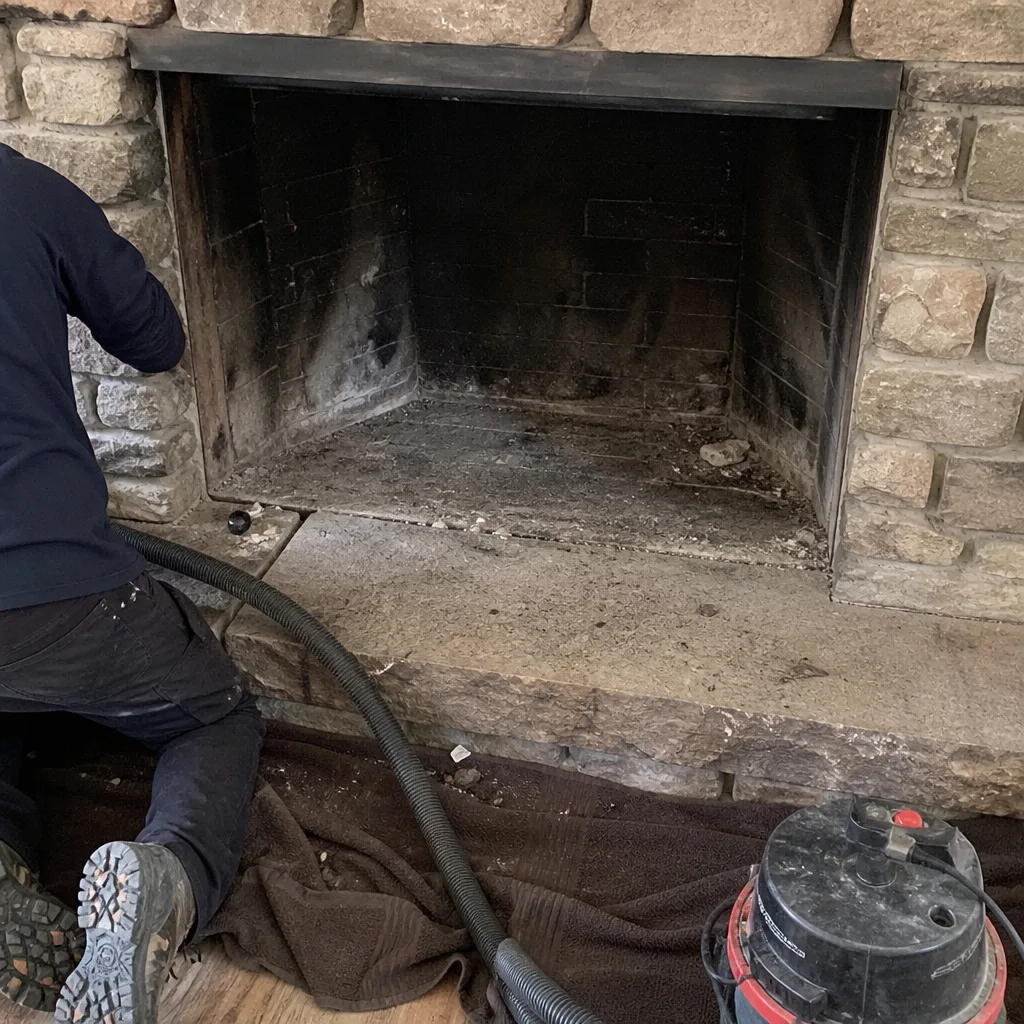 Before
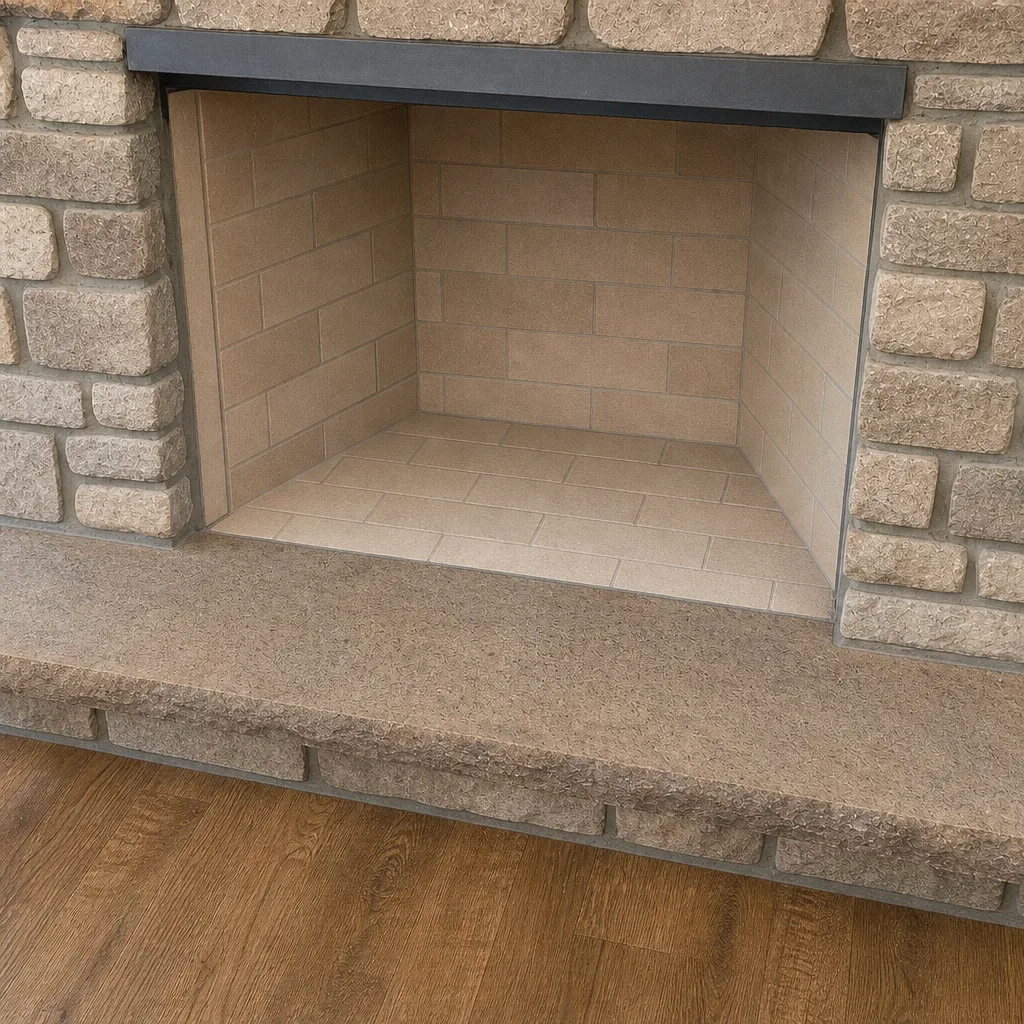 After
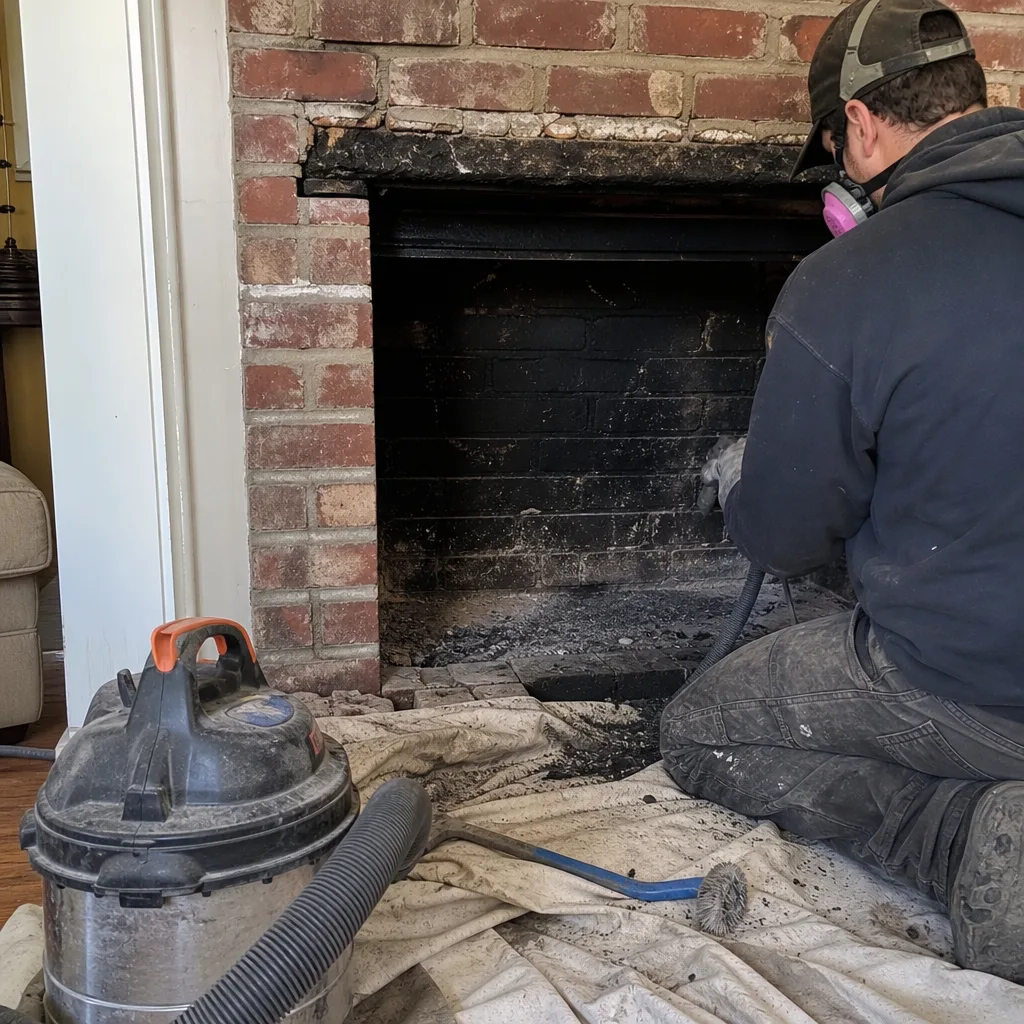 Before
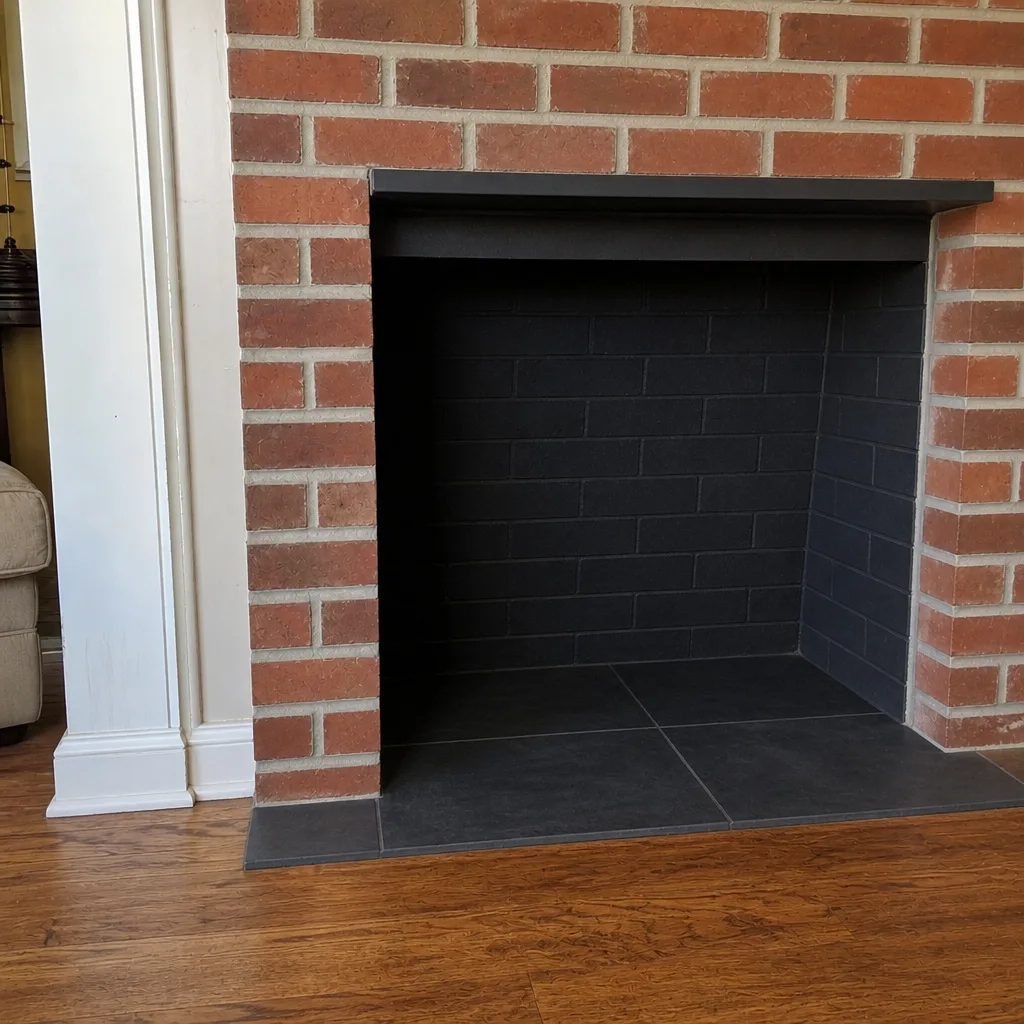 After
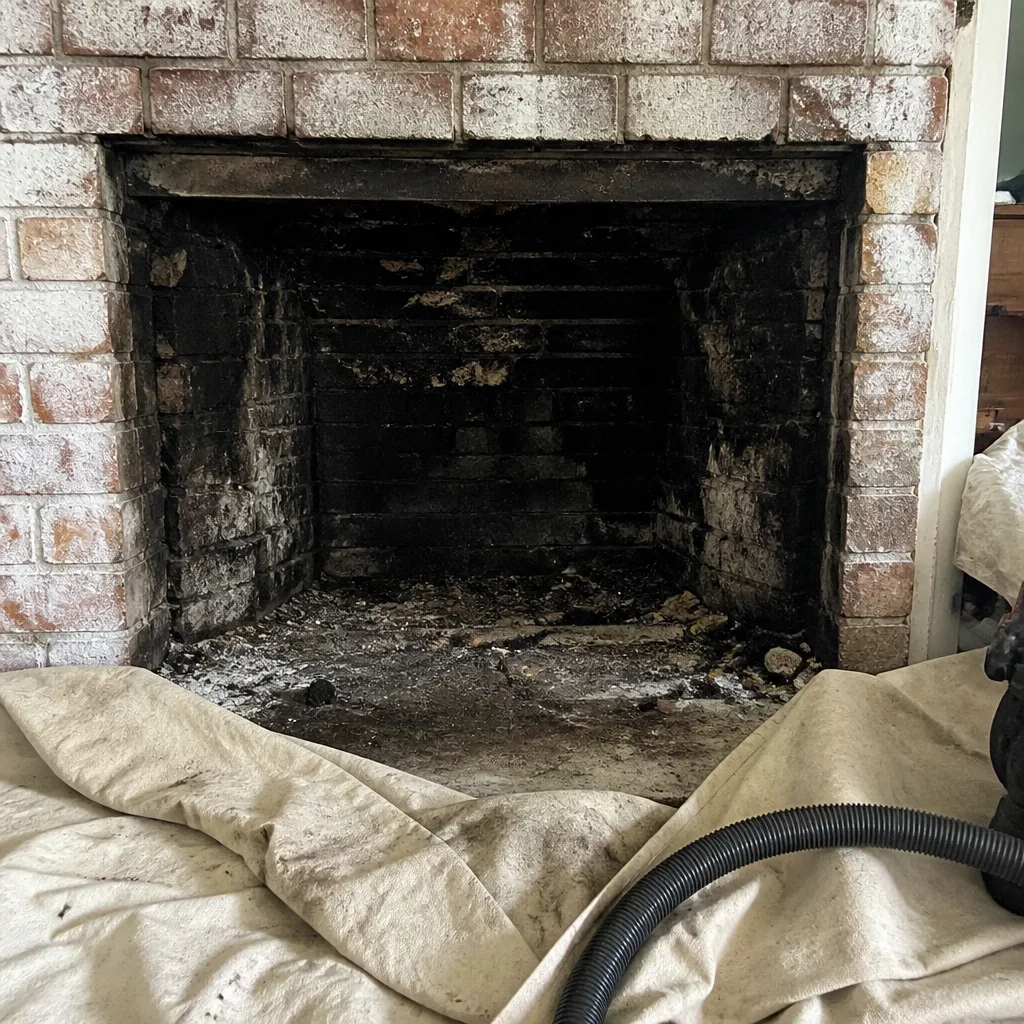 Before
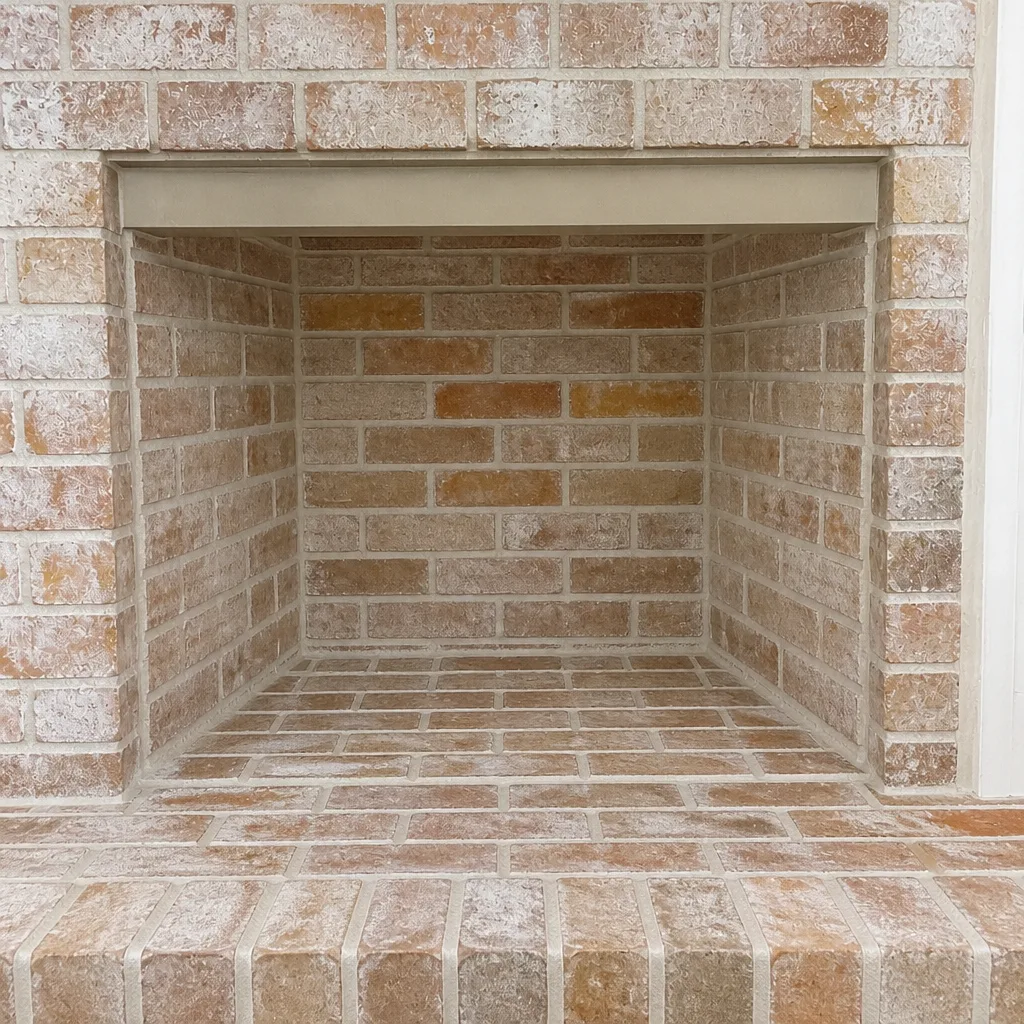 After
When to Call a Professional
Some chimney work is routine and some of it falls outside what a homeowner should handle. Call a professional if you’ve noticed creosote buildup, a smoky fireplace, a draft that’s changed, or masonry cracks on the exterior. Call if your insurer or a buyer has asked for documentation, or if you’re converting to a gas insert. Call if you’ve had a chimney fire, even a small one, because damage can be hidden. And if your chimney hasn’t been inspected since you moved in, a certified inspection is the sensible first step. Chimney Sweep Cottonwood Heights offers free estimates in Cottonwood Heights. Call us at (866) 589-3511 to get started.
Frequently Asked Questions
No, a standard chimney cleaning doesn’t require a permit. Cleaning is routine maintenance, and it doesn’t alter the structure of the flue or the venting system. What can require a permit is structural work like a liner replacement or firebox rebuild, and it’s worth asking the building department directly. Call (866) 589-3511 for an exact quote – estimates are free.
In most cases yes, a liner replacement requires a permit because it changes the structural venting of the chimney. Utah has adopted the International Fire Code, and local enforcement in Cottonwood Heights applies to repairs as well as new installations. The safest approach is to ask your building department before work starts. Call (866) 589-3511 for an exact quote – estimates are free.
A cleaning removes creosote and soot; an inspection evaluates and documents the condition of the chimney. Only the inspection produces a report that carries weight with an insurer, a buyer, or a code official. A Level 1 inspection is routine, a Level 2 is required at sale or after an appliance change, and a Level 3 is diagnostic. Call (866) 589-3511 for an exact quote – estimates are free.
Ask the contractor for the permit number, then contact the Cottonwood Heights building department and request the permit status and inspection record. A finaled permit means an inspector signed off on the work, and that record is what protects you. Keep copies with your home documents. Call (866) 589-3511 for an exact quote – estimates are free.
It can. If a fire or carbon monoxide incident traces back to a structural repair that wasn’t permitted or inspected, an insurer may question whether coverage applies. We’re not an insurance company, but documentation of permitted, inspected work is the simplest protection you can build. Call (866) 589-3511 for an exact quote – estimates are free.
Cracked flue tiles are a common finding in older Cottonwood Heights homes, and the right fix depends on how extensive the damage is. HeatShield chimney resurfacing can restore a damaged flue without the cost of full relining, which is a repair option many basic sweep companies can’t offer. A camera inspection tells you whether resurfacing is enough or a new liner is warranted. Call (866) 589-3511 for an exact quote – estimates are free.
The standard guidance is to have the chimney swept and inspected annually, with more frequent cleaning if you burn heavily. In Cottonwood Heights, the buildup of creosote varies by how much you burn and what you burn, so an annual inspection is the reliable way to know. Call (866) 589-3511 for an exact quote – estimates are free.
Skipping an inspection means problems like creosote buildup, cracked tiles, or a failing crown go unaddressed until they become obvious or expensive. The risk of a chimney fire or carbon monoxide exposure rises with unnoticed deterioration, and a sale or insurance claim can surface the gap later. Call (866) 589-3511 for an exact quote – estimates are free.
The Bottom Line
Permits, codes, and inspections all serve one purpose: proving your chimney is safe and that the work done on it was done correctly. A cleaning is maintenance, an inspection is documentation, and a permit is the independent check that ties them together. When work requires a permit in Cottonwood Heights, skipping it doesn’t reduce the requirement. It moves the risk to your insurance claim or your closing. Keep your records, ask for evidence, and don’t accept a verbal “looks good” in place of a report. If you’re unsure which service you need, that’s the conversation to have before booking.
Chimney Sweep Cottonwood Heights handles the full lifecycle: sweep, certified inspection, repair, and cap or crown replacement, so one company covers the whole chimney. Whether you need a simple sweep or a documented Level 2 inspection for a sale, we’ll tell you exactly what we found and what it means. Call (866) 589-3511 for a free estimate. We answer 24/7. Fast dispatch from 7am to 7pm, Sunday through Friday.
Written by the team at Chimney Sweep Cottonwood Heights.