
Last updated November 23, 2026
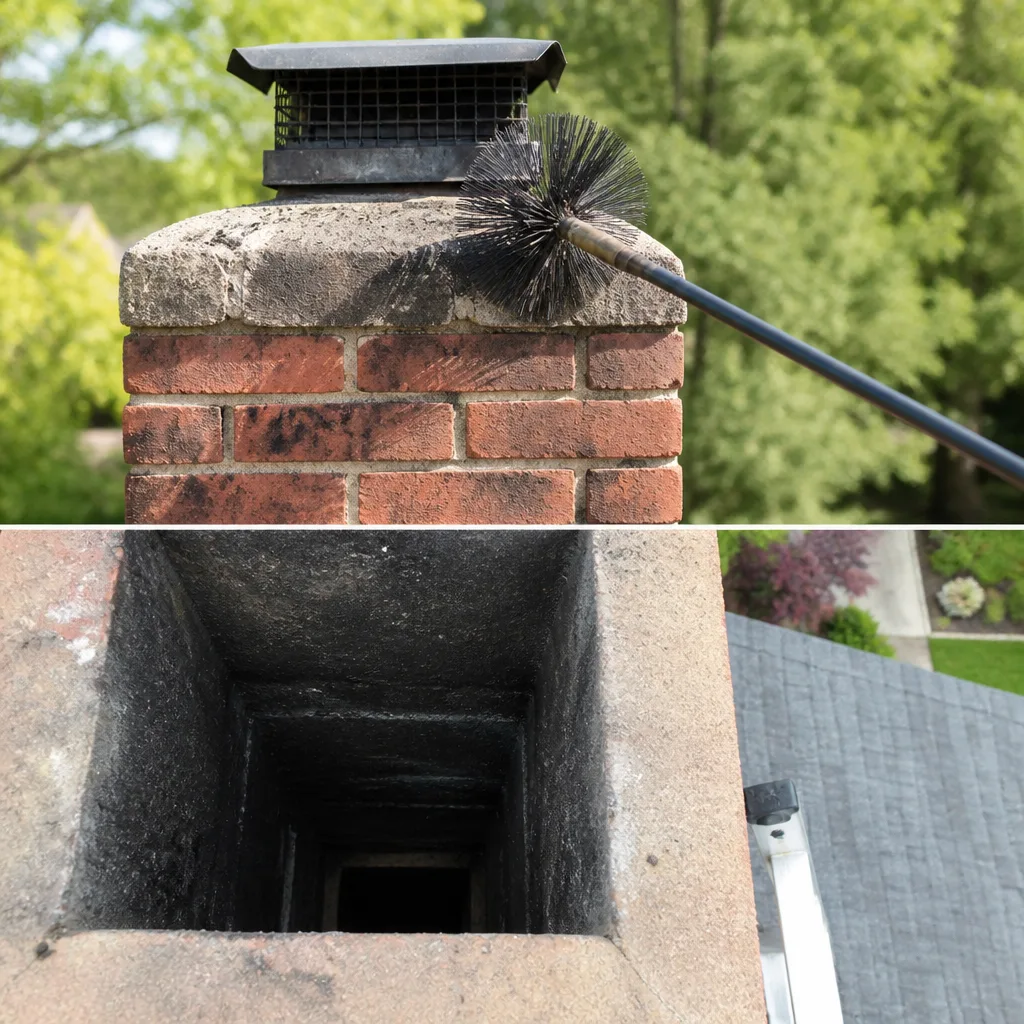 Sweep & inspection
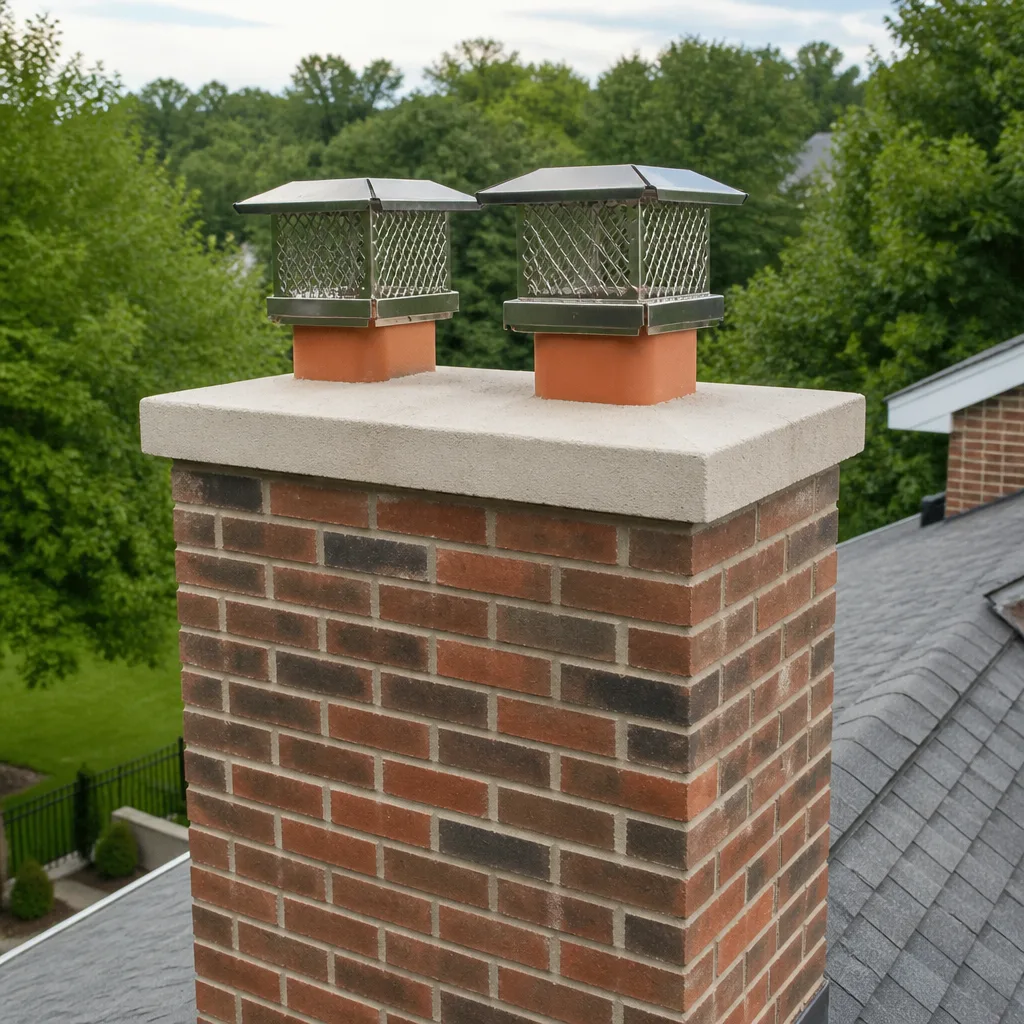 Caps & crowns
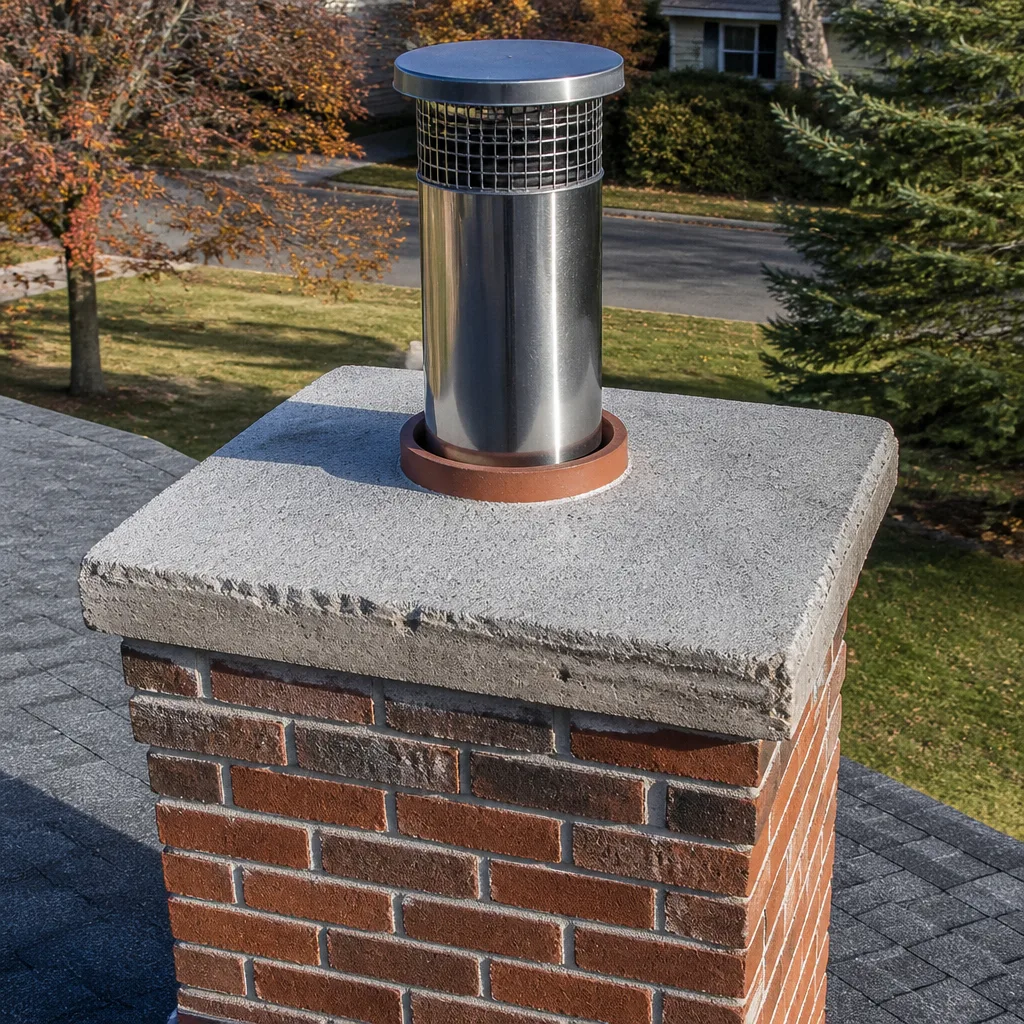 Flue relining
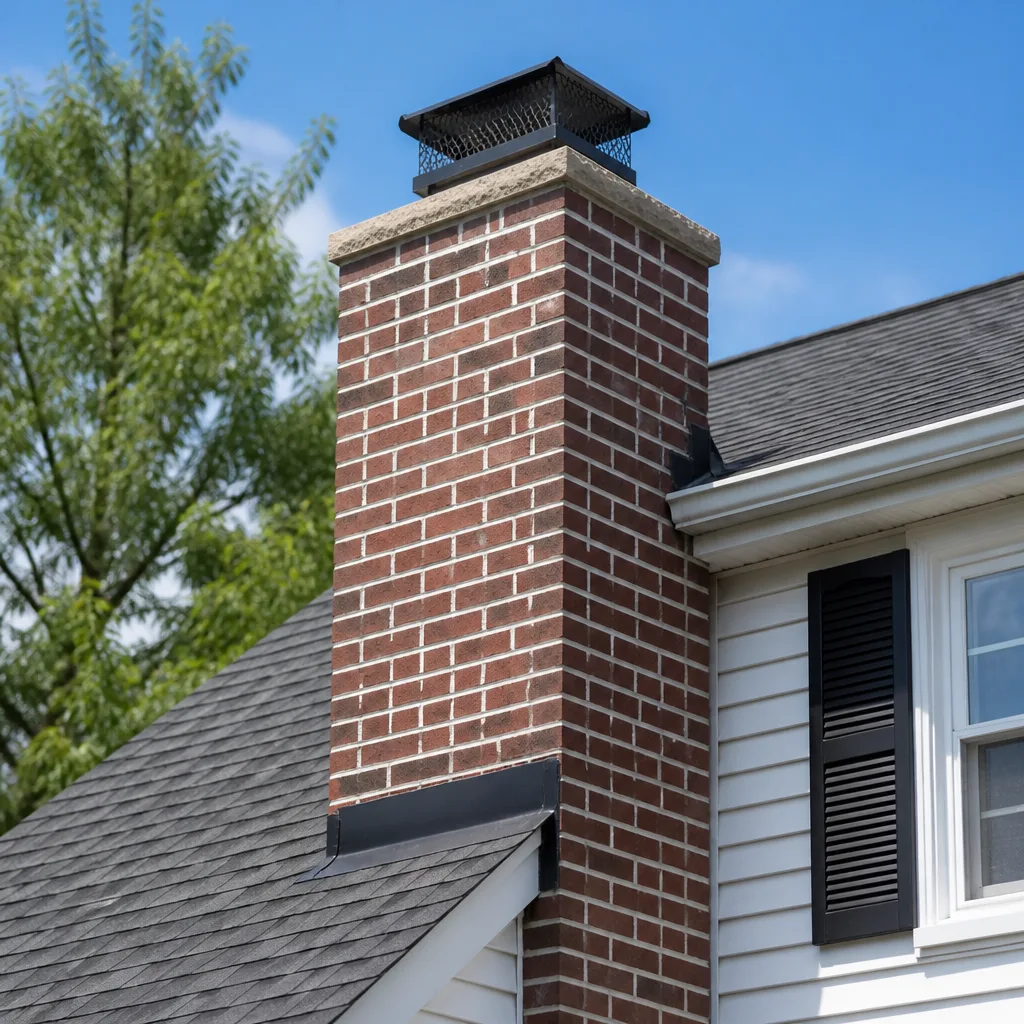 Masonry repair
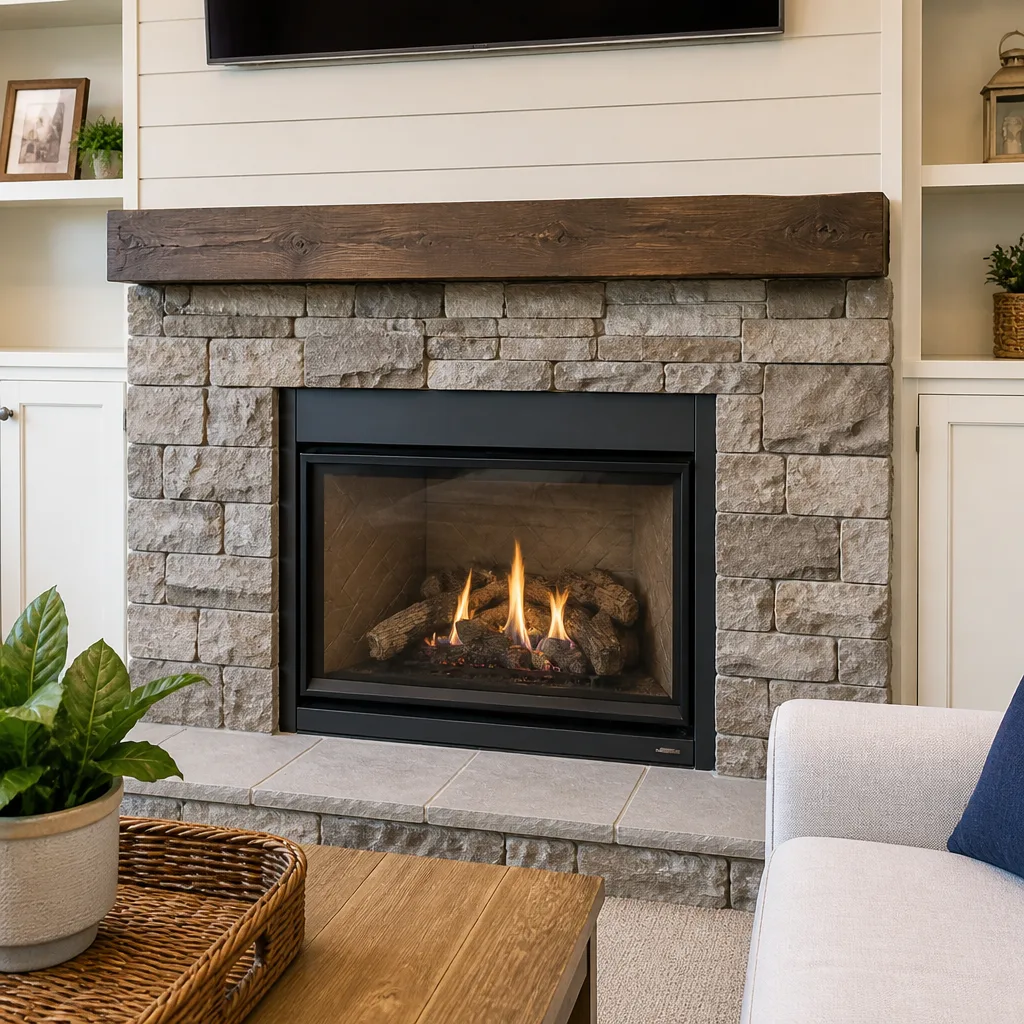 Gas fireplace service
Level 1 sweep and inspection to the NFPA 211 annual standard - flue, crown, cap, and flashing checked and photographed
Chimney sweep logs do not sweep chimneys. They loosen some creosote - which then falls where a brush and vacuum still have to collect it.
How to Hire a Chimney Cleaning Contractor in Cottonwood Heights: A Step-by-Step Guide
A $79 chimney sweep coupon tells you one thing and hides another. It tells you the brush will go up the flue. It doesn’t tell you what the coupon leaves out, and in most cases that’s the part that matters: the inspection, the written findings, and any honest assessment of what your flue liner actually looks like. The bigger mistake homeowners in Cottonwood Heights make isn’t choosing a cheap sweep. It’s hiring someone who cleans without documenting what they saw, leaving you with no record when a problem surfaces two winters later. This guide walks through the credentials to verify, the conversation to have before anyone arrives, and what a legitimate post-service report contains.
Quick Answer
To hire a chimney cleaning contractor in Cottonwood Heights, verify CSIA certification, liability insurance, and workers’ comp coverage for roof work, then confirm that cleaning and inspection are priced as separate line items with a written report that includes photos, creosote level, and liner condition. Get the scope in writing before booking, and treat any recommendation without photographic evidence from inside the flue as an upsell rather than a finding.
Styles & brands we work with
- Sweep & inspection
- Caps & crowns
- Flue relining
- Masonry repair
- Gas fireplace service
Table of Contents
- Why Documentation Matters More Than Price
- The Three Credentials to Verify Before You Book
- The Questions That Reveal Real Expertise
- Cleaning and Inspection Are Two Separate Line Items
- What a Legitimate Post-Service Report Should Contain
- Red Flags Specific to the Local Market
- How Cottonwood Heights Conditions Affect Your Chimney
- What Happens When the Inspection Finds a Problem
Why Documentation Matters More Than Price
A chimney is one of the few parts of a house where the condition is almost entirely invisible to the person who owns it. You can see the brick on the outside. You can see the firebox. What you can’t see is the flue liner, the smoke chamber, or the creosote glazed onto the tile three feet above the damper. That gap between what’s visible and what matters is exactly where a sweep without documentation leaves you exposed.
Here’s the practical problem. If a sweep cleans your chimney and hands you a handwritten receipt that says “swept, all good,” you have nothing. Suppose a year later a chimney professional finds a cracked flue tile or a heavy creosote deposit that was clearly there before. You have no way to establish whether the condition existed at the last service or developed afterward. A homeowner with photographs and a written assessment from that earlier visit is in a completely different position than one with a receipt. Documentation isn’t paperwork for its own sake. It’s the record that makes everything after it verifiable.
This matters more in Cottonwood Heights than a lot of homeowners realize, because a large share of the housing here dates from the 1970s through the 1990s, and those flues have been through decades of heating cycles. Clay tile liners crack. Mortar joints erode. None of that announces itself. A proper Chimney Sweep Cottonwood Heights visit is diagnostic first and cleaning second, and it produces findings you can hold onto. Any contractor who treats the cleaning as the whole job is giving you less than you’re paying for, even at a low price.
We’ve seen this pattern enough to treat it as the central question when we talk to homeowners: not “how much is a sweep,” but “what will I have when you leave.”
The Three Credentials to Verify Before You Book
Three things establish whether a chimney contractor is legitimate for roof and flue work in Utah. Ask for all three before the appointment is scheduled, not after the technician is on your roof.
- CSIA certification. The Chimney Safety Institute of America credentials individual chimney sweeps, and the certification is verifiable through the CSIA directly. A certified sweep has passed a written exam and committed to a code of ethics. When someone tells you they’re “certified,” that’s the certification to ask about specifically. Ask for the individual technician’s name and verify it, since certification belongs to a person, not a company.
- General liability insurance. This covers damage to your property if something goes wrong during the work, including a dropped tool on your roof or a problem that damages the flue. Ask for a certificate of insurance and confirm the coverage is current. A contractor who can’t produce one shouldn’t be on your roof.
- Workers’ compensation coverage. This is the credential homeowners most often skip, and it’s the one that protects you most directly. Chimney work happens on roofs, and a fall is a real risk. If an uninsured worker is injured on your property, the liability question lands on you as the homeowner. Utah requires employers to carry workers’ comp for their employees, so a legitimate chimney contractor will have it. Ask.
None of this is unreasonable to request. Any contractor doing professional work in Cottonwood Heights expects the question and answers it without hesitation. Reluctance or vague answers about insurance are a reason to move on.
One more credential question that separates the field: ask what materials they use for any repair work. A sweep service that specifies professional-grade product lines for liner and flue repairs is operating at a different level than one that substitutes generic hardware-store materials. We use HeatShield for flue resurfacing and Olympia Chimney and Gelco components for caps and venting because those are the materials built for the job.
The Questions That Reveal Real Expertise
You can learn a great deal about a chimney contractor in a five-minute phone call, before you book anything. The questions below aren’t tricks. They’re the questions someone who understands chimney systems answers easily, and someone who only knows how to work a brush will struggle with.
Ask these before you book
- “Will you inspect the flue liner, and how?” A real answer describes how they see inside the flue and what they’re looking for: cracked tiles, gaps in mortar joints, evidence of a previous fire, or a liner that’s been compromised. A vague answer tells you the cleaning is all you’re getting.
- “Do you separate the sweep and the inspection on your invoice?” These are distinct services with distinct scopes. A contractor who bundles them into one line without explanation is either under-scoping the inspection or hiding the fact that there isn’t one.
- “What will I get in writing afterward?” The answer should mention photos, a creosote rating, liner condition, and recommendations. “We’ll let you know if there’s a problem” isn’t a report.
- “What’s your recommendation when a flue tile is cracked but the liner is otherwise sound?” Someone who knows chimney systems will talk about resurfacing options. Someone who only sweeps will tell you it needs a full liner.
- “Do you handle caps and crowns?” Water intrusion from the top is the leading cause of chimney deterioration. A contractor who doesn’t address caps and crowns is leaving the most common problem untouched.
- “What’s the scope in writing, and what isn’t included?” Get this before the appointment, not after the technician is on the roof.
CSIA-certified technicians with real chimney experience answer these without hesitation. The detail in the answers is the tell. When someone describes what they look for inside the smoke chamber or explains why a damaged crown lets water track into the masonry, that’s system knowledge. When the answer is “we clean it good,” that’s brush technique.
Cleaning and Inspection Are Two Separate Line Items
This is the single most important structural point in this guide. A chimney cleaning and a chimney inspection are not the same service, they don’t accomplish the same thing, and they should be priced and scoped separately on any invoice you receive.
A cleaning removes creosote, soot, and debris from the flue and firebox. Its job is to reduce the fuel load inside the chimney so that a future fire has less to burn and to keep the flue clear for drafting. That’s it. A cleaning does not tell you whether the liner is intact, whether the smoke chamber is properly shaped, whether the crown is shedding water, or whether a previous fire left damage behind.
An inspection is a diagnostic evaluation of the whole chimney system. It looks at the firebox, the damper, the smoke chamber, the flue liner, the crown, the cap, and the exterior masonry. It produces findings. That’s a different job with a different scope, and it’s the service that tells you what condition your chimney is actually in.
Why does the distinction matter to you? Because a sweep service that sells a “cleaning and inspection” as a single low-price package is usually doing one of two things: performing a cleaning and calling a quick visual glance an inspection, or under-scoping both. Ask specifically what the inspection covers and whether the results are documented. On any chimney sweep visit, the cleaning and the inspection should each appear on the written estimate with a clear scope.
We scope them separately because they are separate services. You should see them that way on any quote you receive, from us or anyone else.
What a Legitimate Post-Service Report Should Contain
When the work is done, you should be holding a document, not a verbal summary. Here’s what a legitimate report contains, and what each element tells you.
- Photographs of the flue interior. Not a photo of the firebox. Not a photo of the roof. Photos of the flue liner itself, showing the condition the technician found. If a repair is recommended, you should see what prompted it.
- A creosote level rating. Creosote is rated in three stages, and the stage matters. The first is light soot, the second is a flaky deposit, and the third is a glazed, hardened layer that’s difficult to remove and represents the greatest fire risk. A report tells you the level it found, because the level determines what’s needed next and how often you should be swept.
- A liner condition assessment. The liner should be described, not just declared “fine.” Cracked tiles, gaps in mortar joints, and evidence of a compromised liner should each be noted with their location.
- The condition of the crown and cap. These are the two points where water enters a chimney system, and water is what most shortens a chimney’s life. A report says whether they’re intact or failing.
- Repair recommendations with timelines. Each finding should come with a recommendation, and each recommendation should say how soon it needs attention. Some issues are urgent. Others can safely wait a season or more, and a legitimate contractor tells you which is which instead of treating everything as urgent.
- A record you can keep. The report should be something you can file and hand to another contractor later. That’s the whole point of documentation.
If a chimney chimney repair is recommended during the visit, the recommendation should be tied directly to something visible in those photos. Nothing should be recommended without evidence you can see for yourself. That’s a standard we hold ourselves to, and it’s the standard to hold any contractor to.
Red Flags Specific to the Local Market
Most chimney contractor problems fall into a handful of patterns. They’re not hard to spot once you know what to look for.
- Vague scoping. The quote says “chimney cleaning” with no mention of what’s included or excluded. You don’t know whether the inspection is part of the job or whether the cap is being checked. Scope should be written out line by line, before you book.
- No written quote. A verbal estimate over the phone that turns into a different number after the technician has been on the roof is a classic pattern. Insist on a written estimate, and insist it sets the final price as described. If the scope changes, the estimate should be revised in writing.
- Upselling without evidence. This one is the most important. If a contractor tells you that you need a new liner, or that your chimney needs masonry work, and can’t show you the photos that prompted the recommendation, don’t proceed. You have no way to verify the claim. Nothing should be recommended without evidence from inside the flue that you can look at yourself.
- Guaranteeing a specific number of visits per year before inspecting. How often a chimney needs to be swept depends on how much you burn, what you burn, and the condition of the flue. A contractor who tells you a frequency before they’ve looked inside is selling a schedule, not a service.
- No cap or crown discussion. Water intrusion is the leading cause of chimney deterioration, and the cap and crown are where water gets in. A contractor who never mentions them is either not checking or not equipped to fix what they find. We handle cap and crown installation and replacement because it’s the most common structural issue we encounter.
- Price quoted per flue without describing the flue. Chimney systems vary, and a quote should reflect what’s actually there. A flat rate applied without looking is a guess, not an estimate.
None of these is a reason to distrust the entire trade. Most of them come down to one question: can the contractor show you what they found? The ones who can will happily show it.
How Cottonwood Heights Conditions Affect Your Chimney
Cottonwood Heights sits against the Wasatch foothills, and the local climate does real work on chimney systems throughout the year. Winters here are cold and long, which means fireplaces run hard from late fall into spring. The burn cycles stack up quickly, and creosote accumulates in proportion to how much wood is burned.
The bigger issue is the freeze-thaw cycle. Masonry is porous, and when moisture gets into the brick or the crown and then freezes, it expands. That expansion cracks the masonry from the inside. Repeat it across a winter and the damage compounds. The moisture reaches the masonry through the crown, through a failing cap, or through mortar joints that have weathered. It’s the second and third stages of this cycle that cost money, and the first stage is where a cap or crown repair makes the whole thing stop.
Elevation matters too. Homes here sit at altitude, which affects how a wood-burning appliance drafts. A fire that burns a little cooler than it should produces more creosote per cord than one burning hot and clean. That’s a reason to check the flue condition rather than assume it, and a reason to sweep on a schedule driven by how much you actually burn rather than a fixed calendar date.
If you burn regularly through the winter in Cottonwood Heights, an annual cleaning is the standard advice, and an inspection is what tells you whether that’s actually enough for your specific flue. Homes that burn occasionally and homes that burn daily don’t have the same schedule, and no contractor can tell you which you are without looking inside.
What Happens When the Inspection Finds a Problem
Eventually, an inspection finds something. A cracked tile. A crown that’s cracking. A cap that’s been missing for years and let water run down the inside of the flue. What happens next is where the quality of your contractor matters most, because the range of options is wider than most homeowners expect.
A damaged flue liner doesn’t always mean a full relining job. HeatShield is a chimney resurfacing method that restores the interior surface of a damaged flue without the full cost of relining. It’s the kind of repair that a sweep-only operation can’t offer, because it isn’t a sweep: it requires the training, the materials, and the scope to do the resurfacing work. It can extend the life of a liner that’s otherwise sound but has a localized failure, at a fraction of what a relining costs.
When a full repair is needed, the materials matter. We work with professional-grade product lines because the liner and cap are the parts of the system that will not get a second look once the work is finished. A cap made from a properly designed component, or a liner from a recognized line, is a different product from the hardware-store alternative in ways you can’t see from the ground. A Gelco or Olympia Chimney cap or a DuraFlex liner is designed to last, and it’s what you want in a system you’ll rely on for years.
The advantage of working with one contractor is that the sweep, the inspection, the fireplace fireplace repair, and the structural work on the chimney are all handled by the same team. There’s no second contractor to bring in, no re-explanation of what was found, and no gap between the diagnosis and the repair. You get a single report and a single scope. That’s how chimney work should go.
Common Mistakes to Avoid
- Choosing on price alone. The lowest bid usually reflects the lowest scope. Ask what’s excluded before you book, and compare the scopes, not the numbers.
- Accepting a cleaning without an inspection. A cleaning doesn’t tell you anything about the condition of your flue liner, crown, or cap. If the service doesn’t include documentation of those, it doesn’t tell you what you need to know.
- Skipping the workers’ comp question. Roof work carries real fall risk, and you want that risk covered by the contractor’s insurance, not yours. Utah requires employers to carry workers’ comp, so a legitimate contractor will have it and will confirm it without hesitation.
- Approving repair work without seeing the evidence. If the recommendation doesn’t come with photos from inside the flue that you can look at, don’t sign off. You’re the one who has to verify the claim, and you can, if you’re shown the documentation.
- Waiting until a problem shows up inside the house. Chimney problems usually don’t. A cracked crown or a failing cap gives no visible signal inside, and by the time there’s a draft or a smell, the damage has been progressing for a while. The inspection is what catches it before it does.
- Ignoring the cap and crown because the firebox looks fine. The firebox is the part you can see. The parts that fail most often are the ones on the roof, out of sight, exposed to freeze-thaw all winter.
- Believing a “looks fine” from someone who didn’t document it. A verbal “you’re all set” is not a finding. A finding has a photo attached.
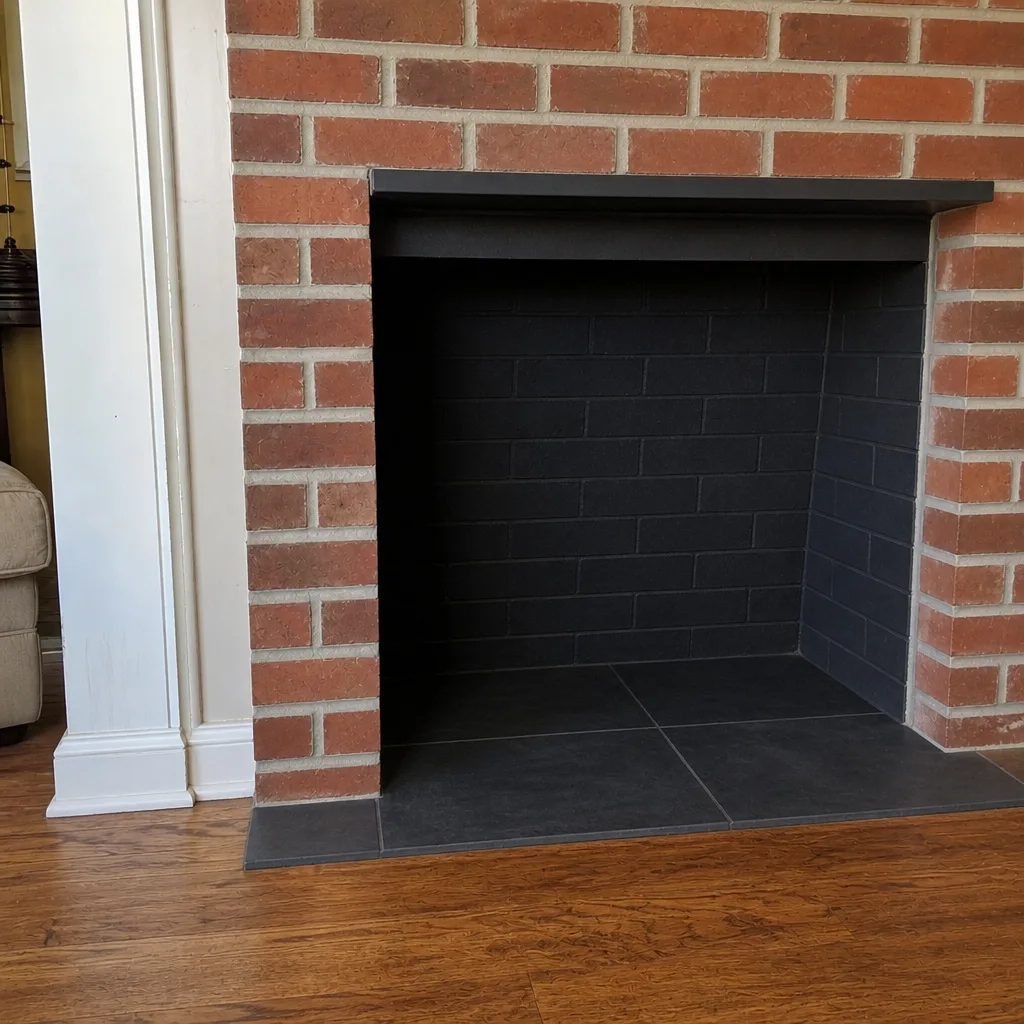
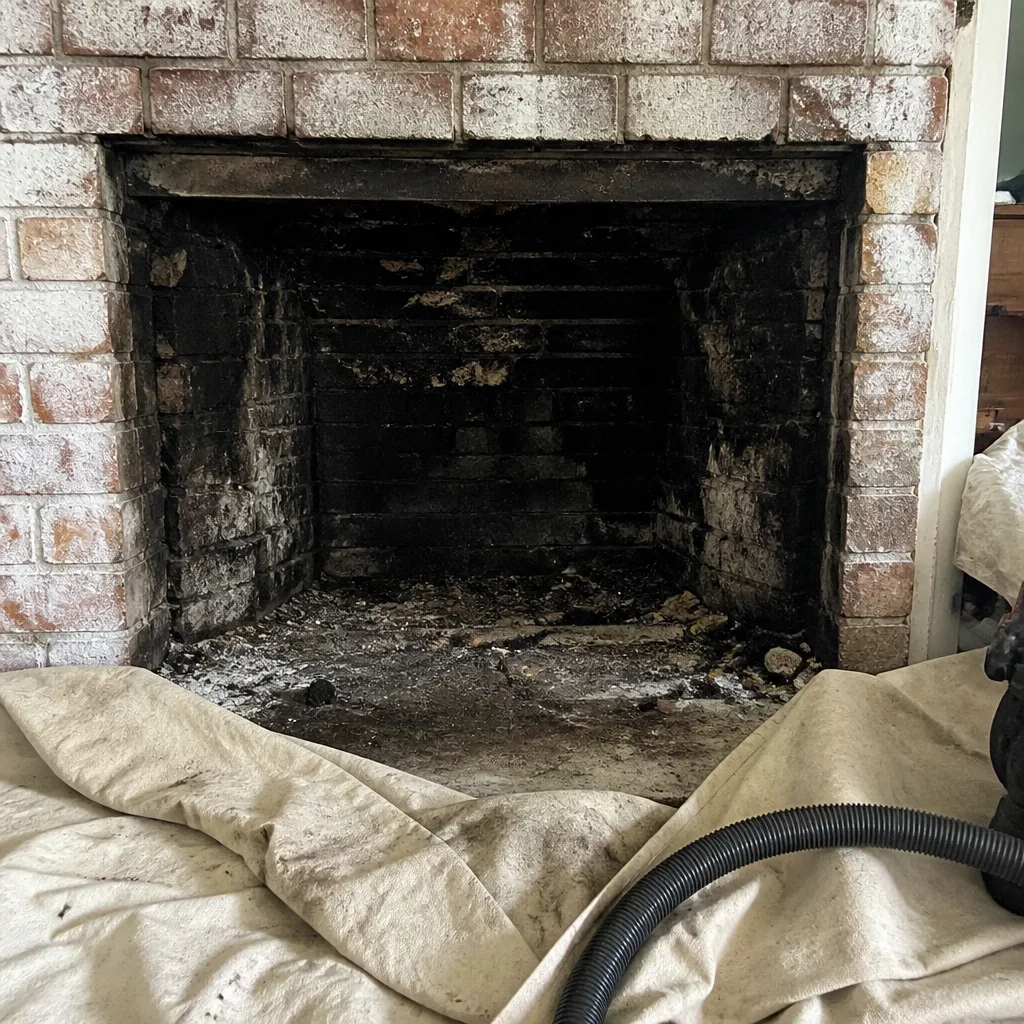
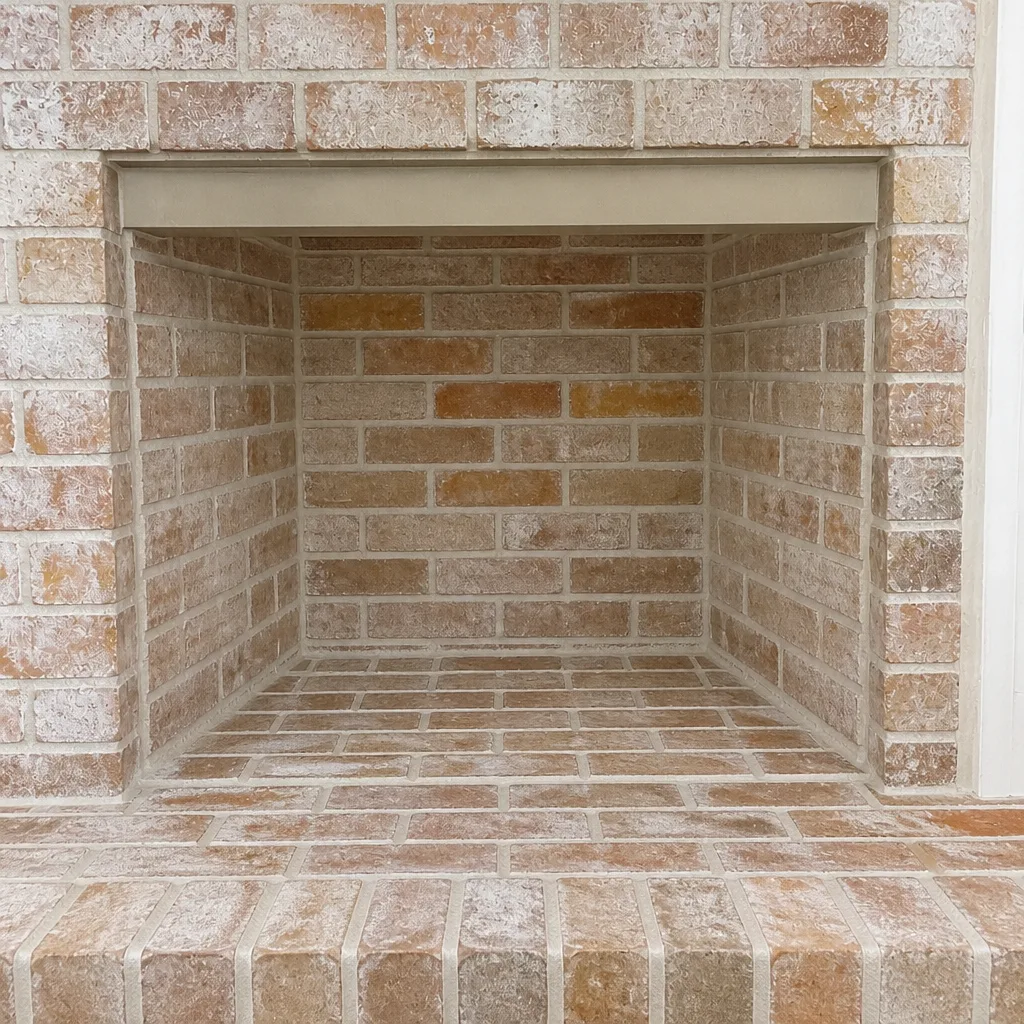
See the difference
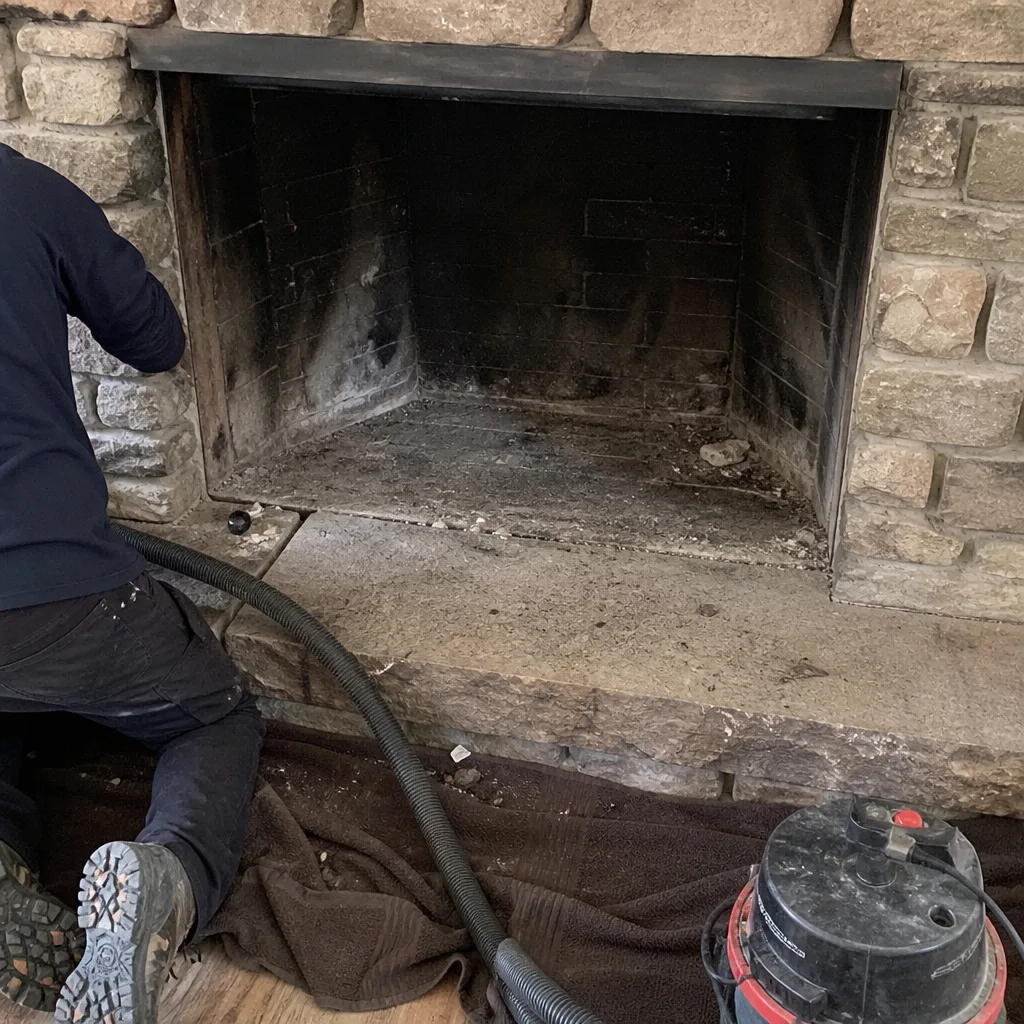 Before
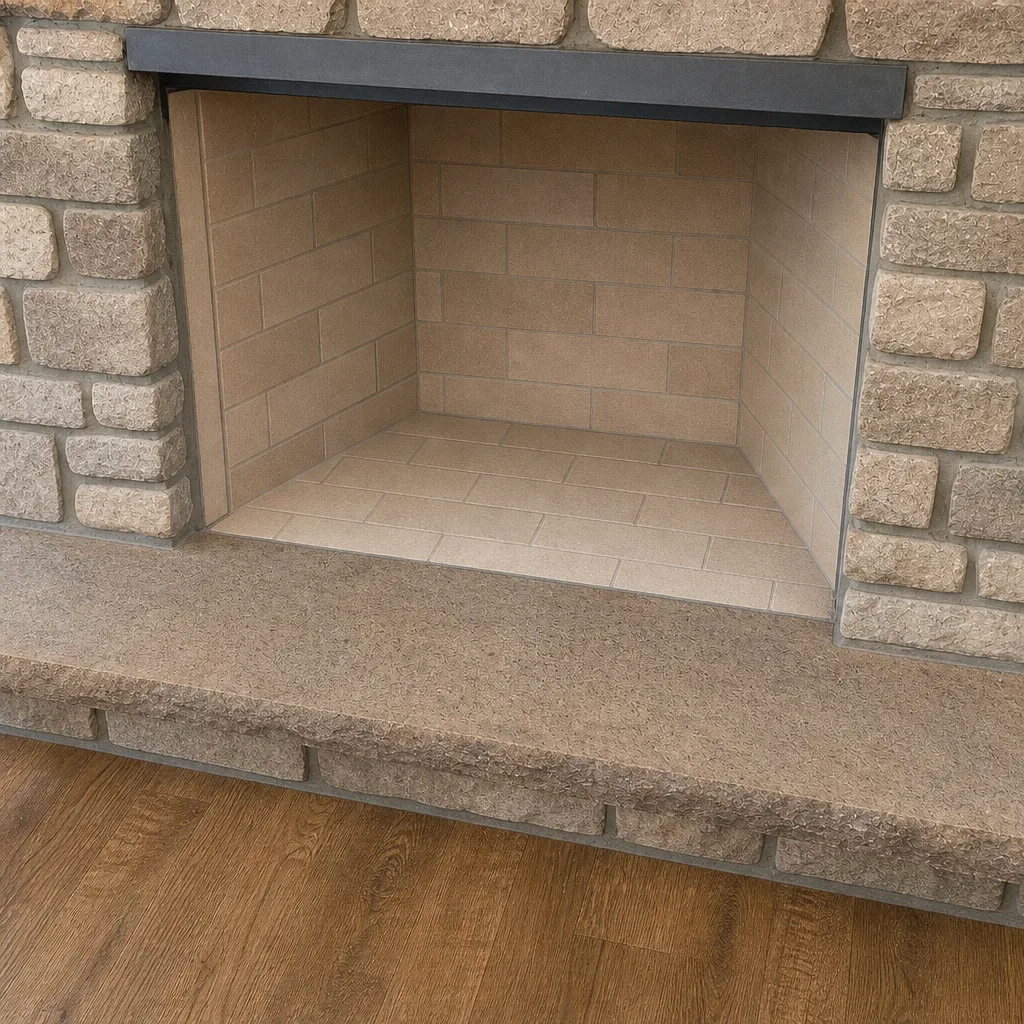 After
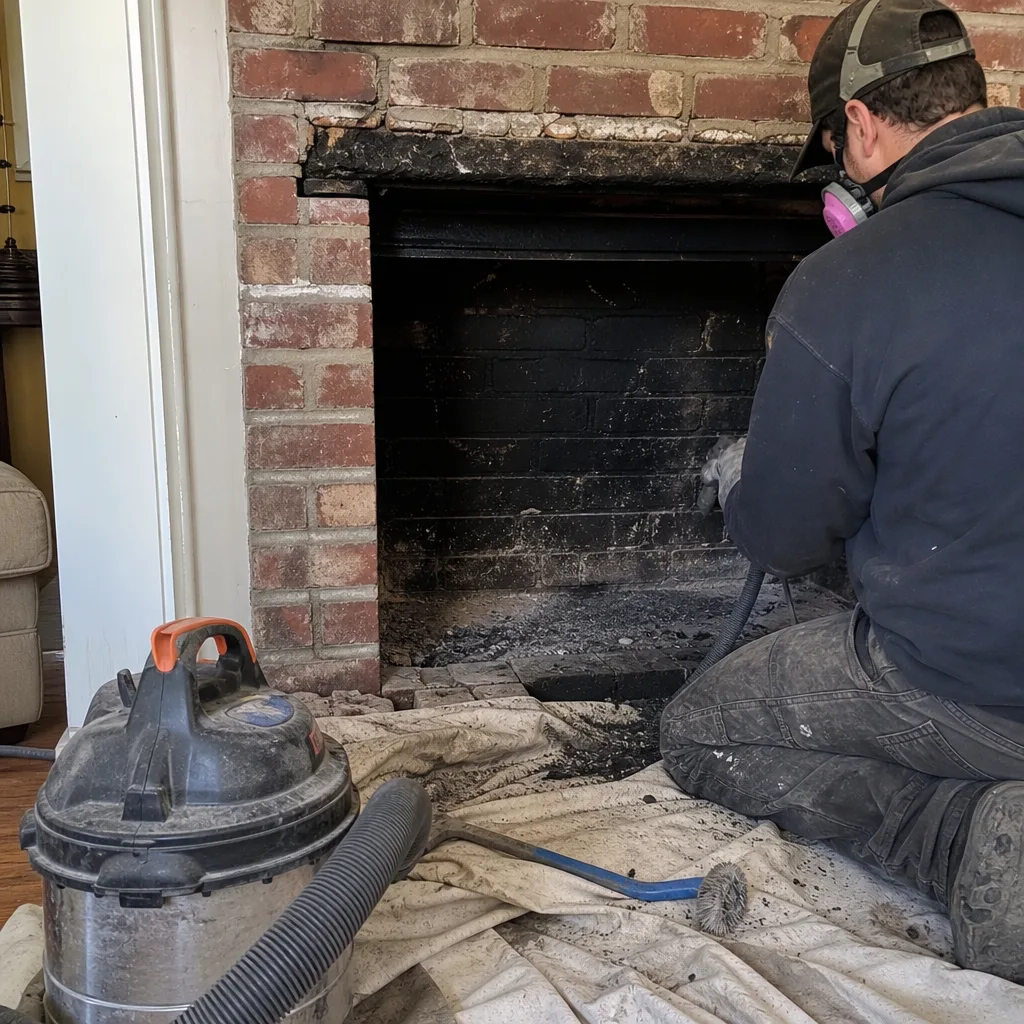 Before
 After
 Before
 After
When to Call a Professional
Some chimney issues call for a professional visit right away. If you smell smoke in the house when the fireplace is running, that’s a drafting or blockage problem and shouldn’t wait. If you’ve had a chimney fire, even a small one, the flue needs inspection before the next burn, because a fire can crack or distort the liner without any visible sign from the room. If you’ve never had the chimney inspected, or you can’t remember the last time it was, that’s the call. If the fireplace is burning poorly or the firebox has visible cracking, the inspection comes first.
The one thing to avoid is waiting for a problem to announce itself. Chimney Sweep Cottonwood Heights offers free estimates in Cottonwood Heights. Call (866) 589-3511. We answer 24/7. Fast dispatch from 7am to 7pm, Sunday through Friday.
Frequently Asked Questions
A chimney cleaning in Cottonwood Heights is typically a few hundred dollars, and the inspection is a separate line item on the estimate, because it’s a separate scope. The two services are priced individually and confirmed in writing before the work is booked, and the written estimate sets the final price. The number to be careful of is the coupon price that doesn’t say what’s excluded. Call (866) 589-3511 for an exact quote. Estimates are free.
The general standard for a home that burns wood regularly is once a year, though the right interval depends on how much you burn and what the flue looks like when it’s inspected. A household that burns daily through the winter will need more frequent cleaning than one that lights the fireplace a few times a season. The inspection tells you which you are. Call (866) 589-3511 to book a sweep and an inspection together.
Not always. A cracked tile or a localized failure can sometimes be addressed with HeatShield resurfacing rather than a full relining, which restores the flue surface at a lower cost. Whether resurfacing is enough depends on what the inspection finds, and the recommendation should come with photos from inside the flue that show the condition. If a contractor recommends a liner and can’t show you the evidence, get a second opinion. Call (866) 589-3511 to have the flue documented properly.
Creosote accumulates in the flue with each burn, and it’s what fuels a chimney fire. The risk grows with the deposit, and a chimney that’s never been inspected can also be developing cracked tiles or a failing crown without any visible sign in the house. The purpose of a sweep and inspection is to catch those conditions before they compound. The urgency is seasonal, so it’s better to book before the burn season starts than during it. Call (866) 589-3511 for a free estimate.
You should see photos of the flue interior, a creosote level rating, a description of liner condition, the condition of the crown and cap, and repair recommendations with timelines for each finding. A verbal “looks fine” isn’t a report. The documentation is what lets you verify anything that’s recommended and hand the findings to another contractor later. Call (866) 589-3511 to book an inspection that produces that record.
Freeze-thaw cycles are the reason. Moisture that gets into the masonry or the crown expands when it freezes and cracks the masonry from the inside, and repeated across a winter that damage compounds. A failing cap or crown is usually where the moisture enters, which is why cap and crown checks belong in the inspection, not treated as an add-on. Call (866) 589-3511 for a free estimate on inspection and any cap or crown work.
The Bottom Line
The main mistake when hiring a chimney contractor in Cottonwood Heights isn’t paying too little. It’s hiring someone who cleans without documenting what was found. Verify CSIA certification, liability insurance, and workers’ comp for roof work. Ask the questions that reveal whether they understand chimney systems or just brush technique. Insist that cleaning and inspection are separate line items, and insist on a written report with photos, a creosote rating, and liner condition. Then treat any recommendation without flue evidence as an upsell, and say no to it. Call (866) 589-3511. We answer 24/7. Fast dispatch from 7am to 7pm, Sunday through Friday. Estimates are free.
Written by the team at Chimney Sweep Cottonwood Heights.