
Last updated November 23, 2026
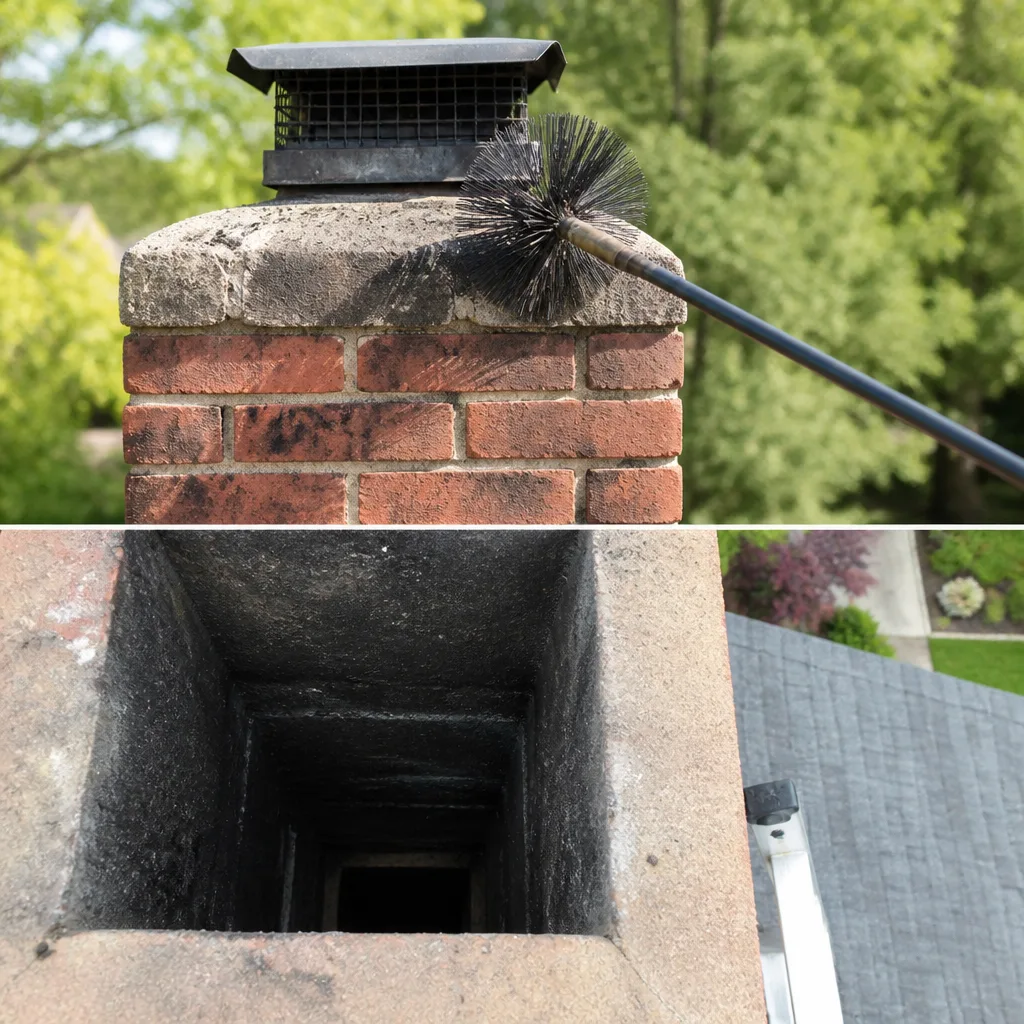 Sweep & inspection
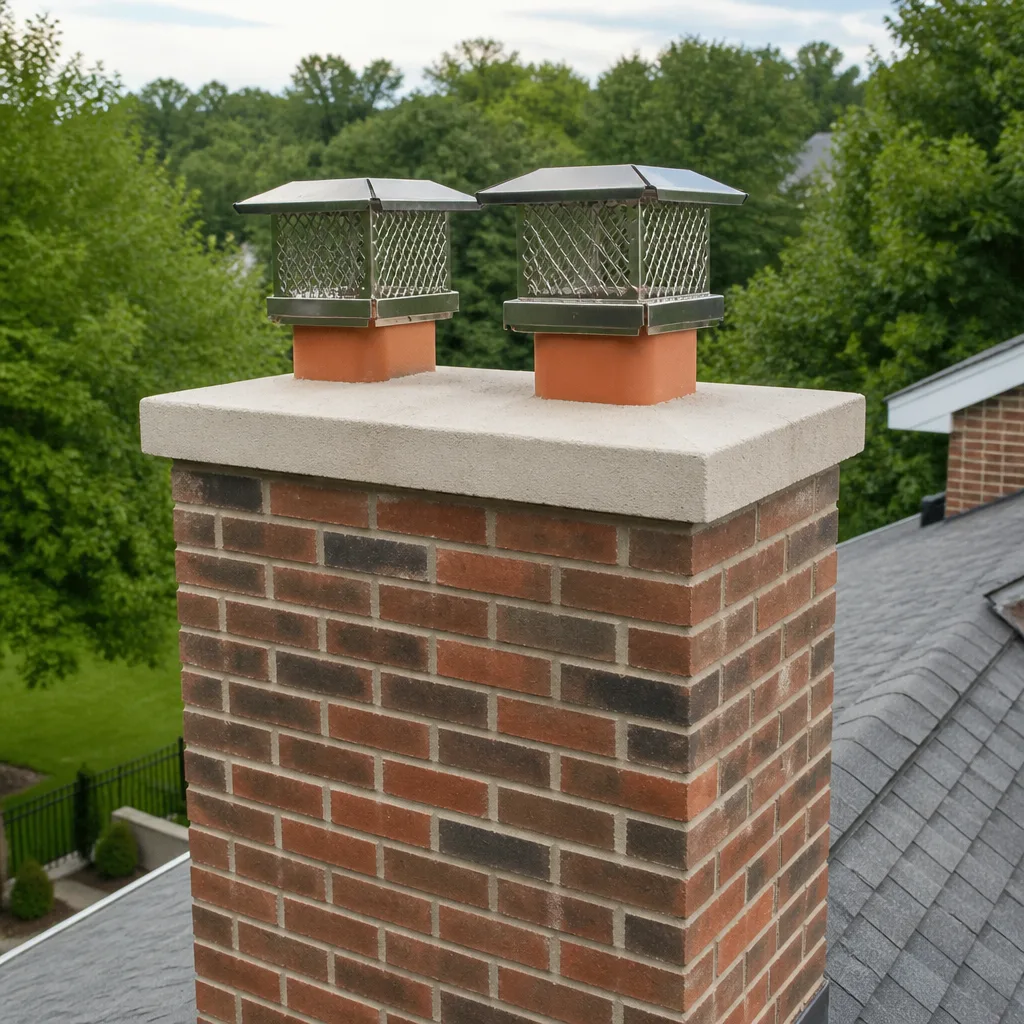 Caps & crowns
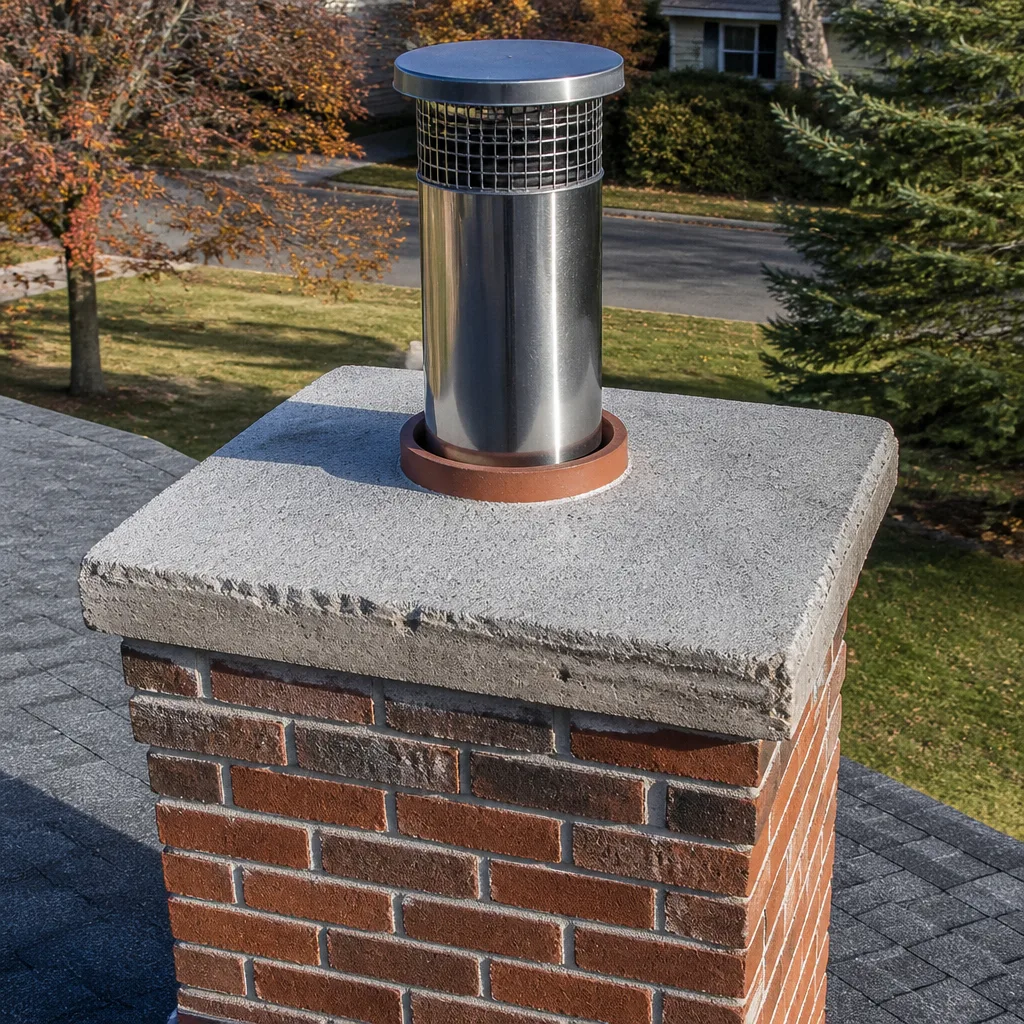 Flue relining
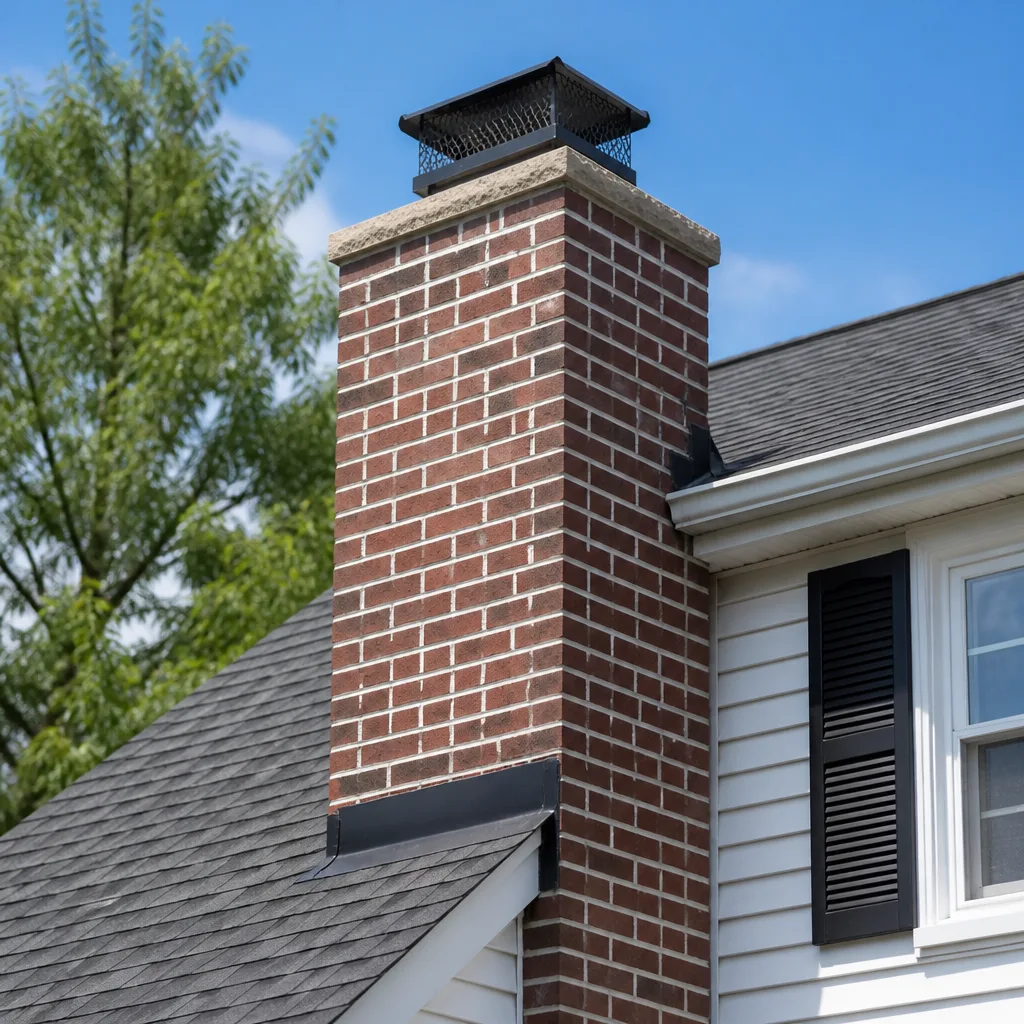 Masonry repair
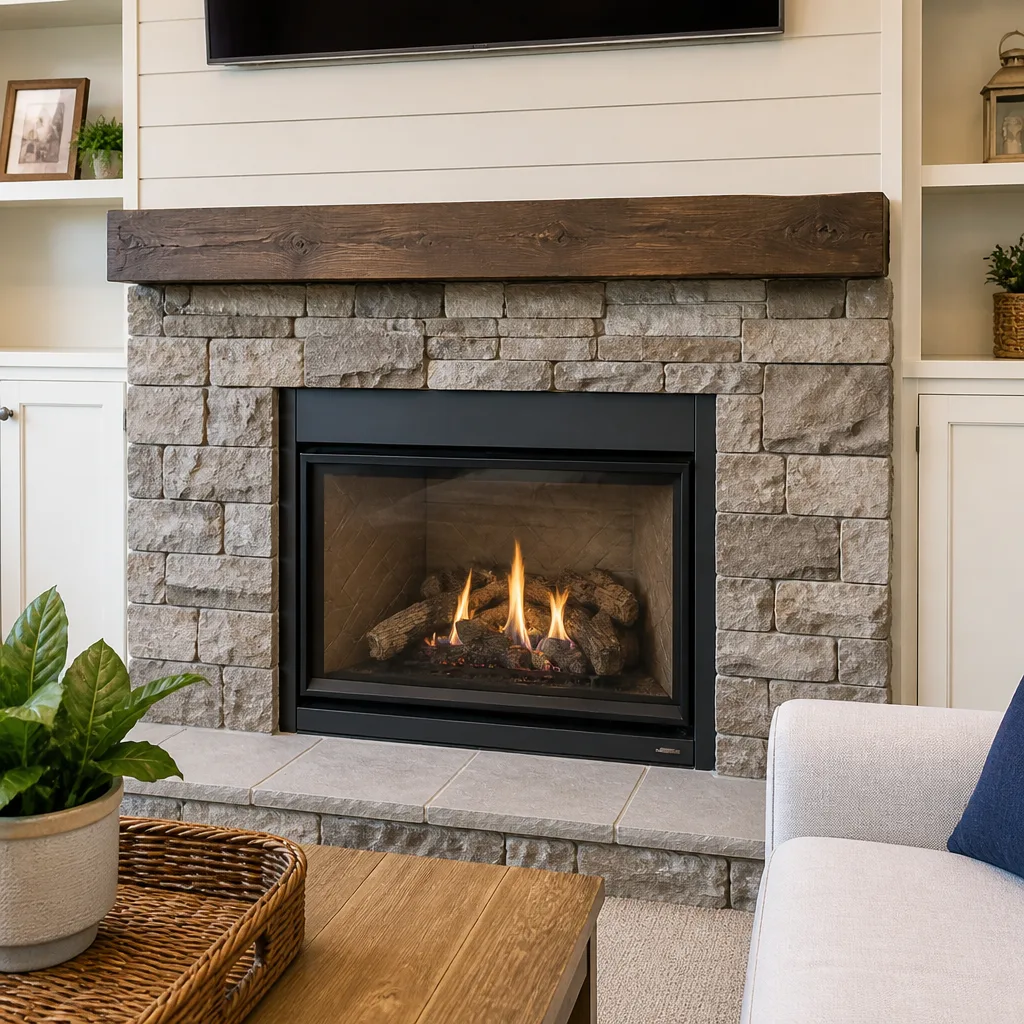 Gas fireplace service
Level 1 sweep and inspection to the NFPA 211 annual standard - flue, crown, cap, and flashing checked and photographed
Chimney sweep logs do not sweep chimneys. They loosen some creosote - which then falls where a brush and vacuum still have to collect it.
DIY vs Professional Chimney Cleaning: The Cottonwood Heights Homeowner’s Decision Guide
A brush kit and a ladder will let a careful homeowner knock stage 1 creosote off the flue walls. That part is real, and we won’t pretend otherwise. But the brush is the easy half. The hard half is knowing what you’re looking at while the brush is in the flue – a hairline crack in a liner tile, a joint that has shifted, a gap where the flue turns. A homeowner can scrub a flue clean and walk right past a cracked tile, because they’ve never been taught what a failing liner looks like. In Cottonwood Heights homes, that liner condition is the risk factor that matters most, which makes the cleaning itself almost secondary. This guide walks through what DIY can honestly do, where it stops, and how to decide which path fits your fireplace.
Quick Answer
DIY chimney cleaning can remove light creosote from an accessible flue, but it cannot verify liner integrity, and that’s the part that keeps your home safe. In Cottonwood Heights, where many homes have older clay tile liners and wood fireplaces that see heavy seasonal use, a professional sweep with camera inspection is the safer choice for anyone who burns regularly. A brush kit cleans; an inspection tells you whether the chimney is safe to use again.
Styles & brands we work with
- Sweep & inspection
- Caps & crowns
- Flue relining
- Masonry repair
- Gas fireplace service
Table of Contents
- What DIY Chimney Cleaning Can Legitimately Accomplish
- Where DIY Stops: Lighting, Cameras and What You Can’t See
- The Equipment Gap: Consumer Brush Kits vs. Professional Tools
- Which Cottonwood Heights Homes Are Highest-Risk for DIY
- The Liability Question: Insurance and Undocumented Cleaning
- An Honest Cost Comparison, Beyond Brush Kit vs. Service Call
- Why Cottonwood Heights Chimneys Face Specific Wear
- A Decision Framework You Can Actually Use
What DIY Chimney Cleaning Can Legitimately Accomplish
Let’s give the DIY approach its due, because a lot of chimney companies won’t. If your fireplace has burned for a season and you know the flue is sound, a homeowner with the right brush and the right technique can remove stage 1 creosote – the thin, flaky, soot-like deposit that builds up during normal burning. That’s the deposit most wood-burning households generate. Removing it does reduce the amount of combustible material inside the flue.
What a motivated homeowner can realistically pull off:
- Removing stage 1 creosote from a straight, accessible flue
- Clearing soot from the firebox and smoke shelf
- Sweeping the damper area of loose debris
- Spotting obvious blockages – a bird’s nest, a leaf pack, a fallen cap
- Vacuuming the firebox with a shop vac rated for fine ash
Notice what’s not on that list. Anything that requires seeing inside the flue. Anything that requires judging the condition of a liner. Anything that requires documenting the sweep. That’s the border where DIY ends, and it ends in the same place for almost every Cottonwood Heights homeowner who tries it.
The other honest limit: creosote stages. Stage 1 is the flaky stuff. Stage 2 is a glazed, tar-like deposit that clings to the flue wall, and it doesn’t yield to a consumer brush. Stage 3 is a hardened glaze that needs chemical treatment or mechanical removal the trade has specific tools for. If you don’t know which stage you’re dealing with, you can’t know whether your brush did anything, and that’s not a criticism – it’s just the nature of a job that requires looking closely.
Where DIY Stops: Lighting, Cameras and What You Can’t See
Here’s the gap that matters. A professional sweep walks up to a chimney with a camera and a bright light and inspects the flue from the inside before the brush ever goes in. The camera shows a video feed of the liner interior – the full length of it – so a cracked tile, a spalled surface, a missing joint, or a buildup of stage 2 creosote is visible. A homeowner on a roof with a flashlight sees the top few inches of a flue, if that, and sees a flue from the outside.
What consumer tools can’t reveal:
- Hairline cracks in clay liner tiles that open when the flue heats
- Gaps at tile joints where smoke and heat can escape into the masonry
- Offset or angled flues, where the brush simply can’t travel
- Stage 2 glazed creosote bonded to the liner wall
- Deterioration behind a damper or in a smoke chamber
- The condition of the crown and cap at the top, where water gets in first
The last one is the sum of it: a homeowner can clean the flue and never learn that the crown is cracked, the cap is loose, or the liner is on its way out. Water intrusion through a damaged crown is one of the most common causes of chimney deterioration in Cottonwood Heights, because rain and snowmelt find the crack, freeze overnight, and expand. The freeze-thaw cycle does more damage than the weather alone would.
That’s why a professional sweep pairs cleaning with inspection. When the inspection finds a cracked liner tile, the same visit can lead to a real repair plan – HeatShield resurfacing to restore a damaged flue, or a DuraFlex liner system if the tile is beyond resurfacing. The homeowner who brought the brush never gets that call, because the problem was never visible from where they stood.
The Equipment Gap: Consumer Brush Kits vs. Professional Tools
Consumer poly brush kits are designed for a specific job: sweeping a relatively straight flue from above with a rod you can turn by hand. That’s a real job and the kits can do it. But the tools professional sweeps use are built for a different set of conditions. Understanding the difference is the clearest way to decide whether DIY fits your situation.
Here’s how the two compare:
- Rods: consumer rods are short, flexible, and made to be handled by one person on a rooftop. Professional rods are longer, stiffer, and can carry rotary or whip heads through the whole flue even when the run is offset.
- Brush heads: consumer heads are poly and sized to fit a standard round flue. Professional heads come in sizes and materials matched to the flue, including rotary chains and whips for glazed deposits.
- Inspection gear: this is the biggest gap. Professional sweeps carry flue cameras, bright LED inspection lights, and moisture meters for the masonry. Consumer kits have none of that.
- Dust control: a professional setup uses a HEPA vacuum with a sealed connection to the firebox opening. A shop vac helps, but it doesn’t capture the same volume of fine soot.
- Repair capability: this is where the two worlds separate entirely. A homeowner who finds a cracked liner has no way to fix it. A professional sweep can resurface a flue with HeatShield or install a DuraFlex liner the same visit, which matters because finding a problem and acting on it should be one step, not two.
Our technicians have up to 10 years of experience, and they carry the inspection and repair tooling that turns a sweep into a diagnosis. We work with HeatShield, DuraFlex, Gelco caps, Olympia Chimney components, Famco venting, and Copperfield supplies – the same professional-grade brands used by chimney specialists across the country. The point isn’t that consumer brushes are bad. It’s that they’re built to clean a flue, not to tell you what’s wrong with it.
Which Cottonwood Heights Homes Are Highest-Risk for DIY
Not every Cottonwood Heights home carries the same risk from a do-it-yourself cleaning. The houses that should give a homeowner pause share a few traits. If any of these describe your fireplace, we’d skip the brush kit and get a real inspection.
The highest-risk profiles we see in Cottonwood Heights:
- Homes with older clay tile liners. Clay tile is durable, but it cracks and spalls with age and heat. A cracked tile means heat and smoke can reach the masonry, and that’s the failure mode a chimney fire grows from. You cannot see a hairline tile crack without a camera.
- Heavily used fireplaces. A fireplace that burns through most of the heating season generates much more creosote than one used occasionally, and the buildup climbs into stage 2 faster. A brush kit can’t remove glazed creosote.
- Offset or angled flues. If the flue turns as it rises, a consumer brush can’t make the turn. You’ll clean the top half and leave the bottom half, usually without knowing it.
- Fireplaces with a history of smoky drafting. Poor draft often points to a flue problem – a partial blockage, an undersized flue, a damaged smoke chamber – that needs a professional’s eye.
- Homes that haven’t had an inspection recently. A fireplace that’s gone uninspected for years can have a liner that’s already failing. Cleaning it won’t fix it, and burning in it could make it worse.
Cottonwood Heights has a mix of established neighborhoods with homes old enough to have older clay tile liners and newer builds with more modern flue assemblies. The older the fireplace and the more it’s used, the more the risk profile tilts away from DIY.
The Liability Question: Insurance and Undocumented Cleaning
This is the part most DIY guides skip. Cleaning a chimney without an inspection produces no documentation. That matters if a chimney fire ever happens. Insurers ask a simple question after a chimney fire: what evidence exists that the chimney was maintained? A brush kit and a Saturday on the roof leave no paper trail. A professional sweep produces a written record of the sweep, the inspection findings, and any repairs recommended or performed.
We can’t speak for every insurer, and we won’t claim to know exactly how any given claim will go. What we can say is that documentation is the difference between “I cleaned it myself” and a record showing the chimney was inspected and found sound at a specific point. When a homeowner needs to show a claim, that record is worth having. We can work with your insurer, and the findings from an inspection are the kind of thing they can read and act on.
There’s a second liability angle that’s less obvious. A DIY cleaning that stirs up a stage 2 deposit but doesn’t remove it can leave the flue in a more dangerous state than before, because loosened creosote sits higher on the flue wall. A professional sweep who finds stage 2 creosote will treat it on the spot – that’s what the rotary and chemical tooling is for – and will document it. The homeowner who brushed what they could reach has no way to know whether the deposit below got worse.
To be clear about what we are and aren’t: the local professionals we connect you with are licensed and insured as their state requires, and their work carries the documentation that a self-performed sweep can’t. That record is the actual financial protection, not the cleaning itself.
An Honest Cost Comparison, Beyond Brush Kit vs. Service Call
The DIY argument usually starts and ends with the brush kit price versus the service call. That comparison misses half the picture. The value of a professional sweep isn’t just the cleaning – it’s the inspection, the diagnosis, the documentation, and the ability to act on what’s found. The cleaning is the visible part. The rest is what keeps the chimney safe.
Here’s how the two paths compare when you account for everything:
- Brush kit (DIY): you buy the gear, spend a season’s worth of afternoons on the roof, clean what you can reach, and end up with no inspection, no camera footage, and no record.
- Professional sweep: the sweep, camera inspection, photo report, and a written assessment all come in one visit, and the technician can price any repairs you actually need.
- Repair found later (DIY): a cracked liner discovered after a chimney fire or a failing sweep costs far more than a repair caught early. Early diagnosis is the cheaper path, every time.
- Repair caught early (professional): HeatShield resurfacing can restore a damaged flue without full liner replacement, which is one of the cost-saving options a basic DIY or sweep-only approach can’t offer.
We don’t publish fixed prices here because every chimney is different – a straight flue on a sound liner is a different job from an offset flue with glazed creosote. What we will tell you is how the estimate works: a flat-price sweep is agreed before we book, so there’s no surprise on the day. Call (866) 589-3511 for an exact quote – the estimate is free.
If you want to understand what a full professional visit covers, our Chimney Sweep Cottonwood Heights page walks through it. If you’ve already had a sweep and want to know what the inspection found, chimney sweep services in the area include the follow-up inspection you’ll need to interpret it.
Why Cottonwood Heights Chimneys Face Specific Wear
Local climate shapes how a chimney ages, and Cottonwood Heights runs through hard freezes and warm swings in the same week. That pattern matters. A storm leaves moisture on the masonry; a cold night freezes it; the freeze expands the water inside the brick or mortar and pushes the crack open a little wider. The next thaw lets more water in. Repeat that over many seasons and a hairline crack becomes a spalled crown or a cracked cap seam.
What actually wears on a Cottonwood Heights chimney:
- Freeze-thaw on the masonry. Cracks in the crown and the mortar joints widen season after season. That’s why cap and crown condition matters so much here – a Gelco cap and a sound crown are the first line of defense.
- Dry, hot summers. The fireplace sits idle, so creosote from the previous season sits in the flue through the off-season. It’s still there when the first cold snap arrives.
- Heavy seasonal use. Many Cottonwood Heights households burn wood for real heat, not decorative ambiance, and heavier burning generates more creosote and more thermal cycling on the liner.
- Snowmelt on a damaged crown. Once the crown cracks, meltwater gets in behind it and works on the structure below. Water intrusion is the slow cause of most of the structural repair we handle.
This is the local reason the inspection matters as much as the cleaning. The chimney’s biggest threat in Cottonwood Heights isn’t just what’s inside the flue – it’s what’s happening to the masonry outside, where freeze-thaw does its work. When we inspect, we look at both, because a chimney that’s clean inside and cracked outside still has a problem.
A Decision Framework You Can Actually Use
Here’s the practical version, the one we’d use in our own homes. Walk through these questions in order. The first one that’s a “no” tells you to call a professional instead of buying a brush kit.
- Do you know the last time the chimney was inspected? If it’s been years, or you don’t know, start with an inspection. A cleaning on an uninspected flue is a blind job.
- Is your liner clay tile, and is it old? Older clay tile liners crack. A camera is the only reliable way to know.
- Does the flue run straight? If it offsets or turns, a consumer brush can’t make the turn.
- Has creosote ever been glazed, or is there a history of heavy buildup? Stage 2 needs professional removal.
- Do you burn heavily enough to build buildup each season? If yes, professional cleaning is the more reliable schedule.
- Do you want a documented inspection and photo report? If so, DIY can’t provide it.
If every answer points toward a simple, straight, lightly used flue with a recent inspection, and you’re comfortable on a roof, a maintenance spot-clean between professional visits is the sort of thing a careful homeowner can handle. We’d never tell you otherwise. But the moment the answer is uncertain, the pro wins – because the pro is the only one who can see what you can’t.
Common Mistakes to Avoid
- Cleaning without inspecting first. Brushing an uninspected flue means the sweep happens blind. The inspection should come before the brush, not after.
- Assuming a clean flue is a sound flue. Creosote removal doesn’t check liner condition. A flue can look clean from above while a cracked tile hides inside it.
- Using a household vac near soot. A standard vacuum can spread fine soot through the house. A HEPA setup is built for it; a shop vac is the better compromise if you’re doing it yourself.
- Forgetting the crown and cap. In Cottonwood Heights, water intrusion through a cracked crown or loose cap is one of the most common causes of chimney deterioration. Cleaning alone doesn’t address it.
- Brushing past stage 2 creosote. A consumer brush glides over glazed deposits. If the flue is glazed and you don’t realize it, you’ve cleaned almost nothing.
- Not documenting a self-performed sweep. If there’s ever an insurance question, an untracked cleaning leaves no record that the chimney was maintained.
- Ignoring a smoky fireplace. Smoke backing into the room often points to a flue problem. Cleaning the flue won’t fix poor draft if the cause is structural.
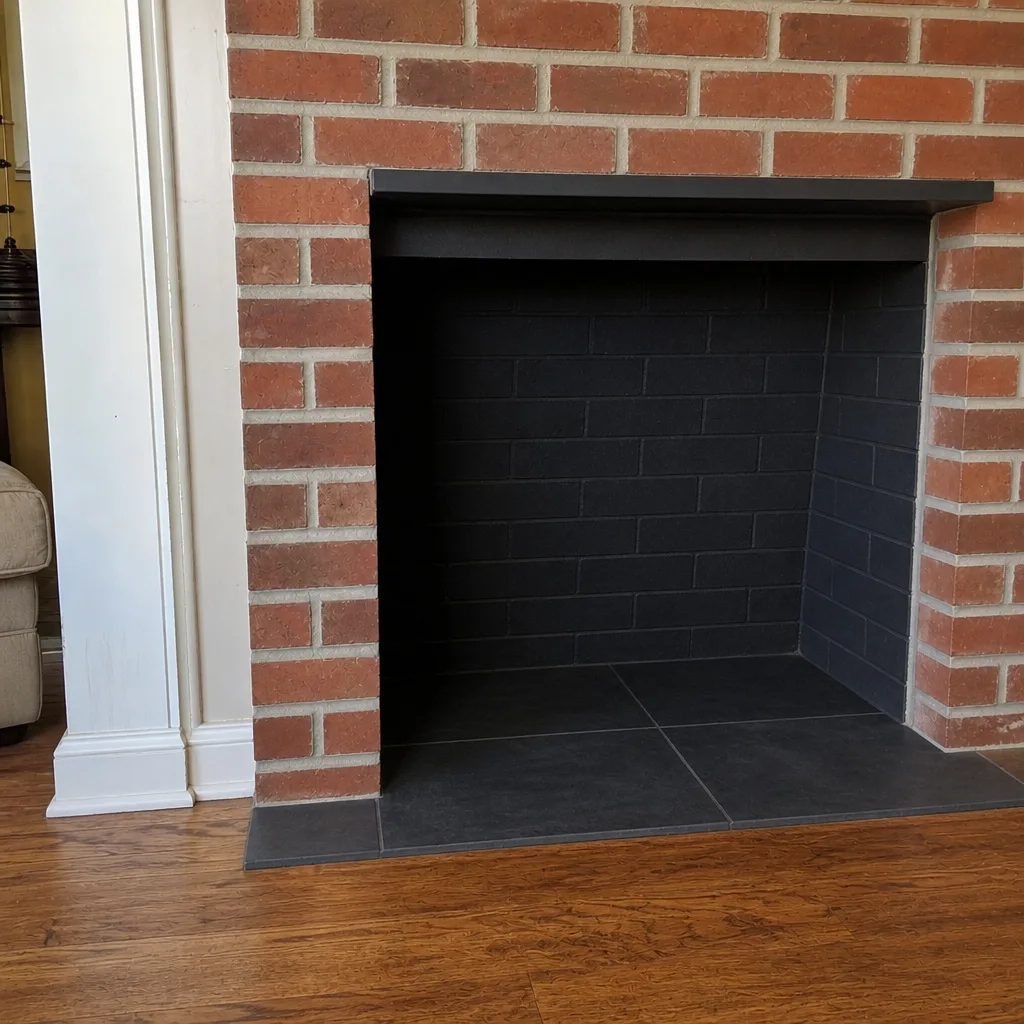
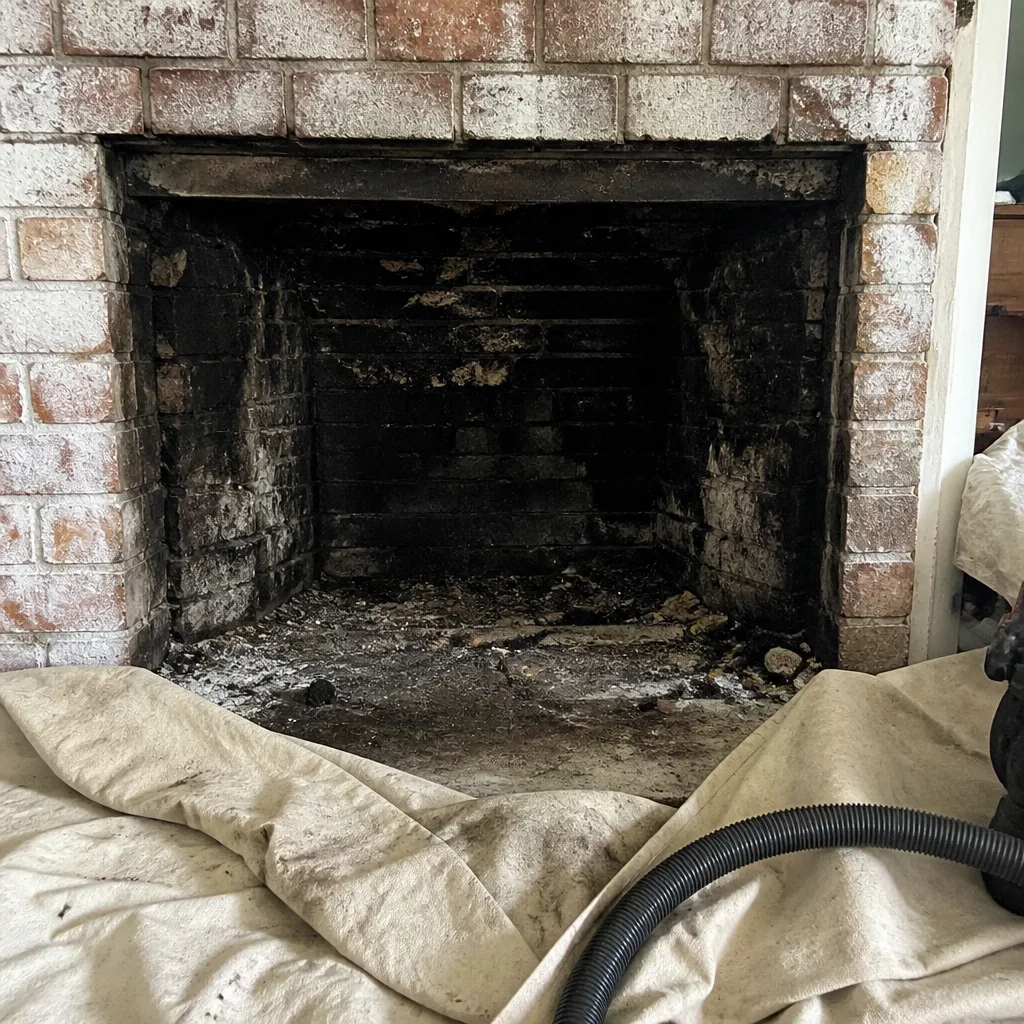
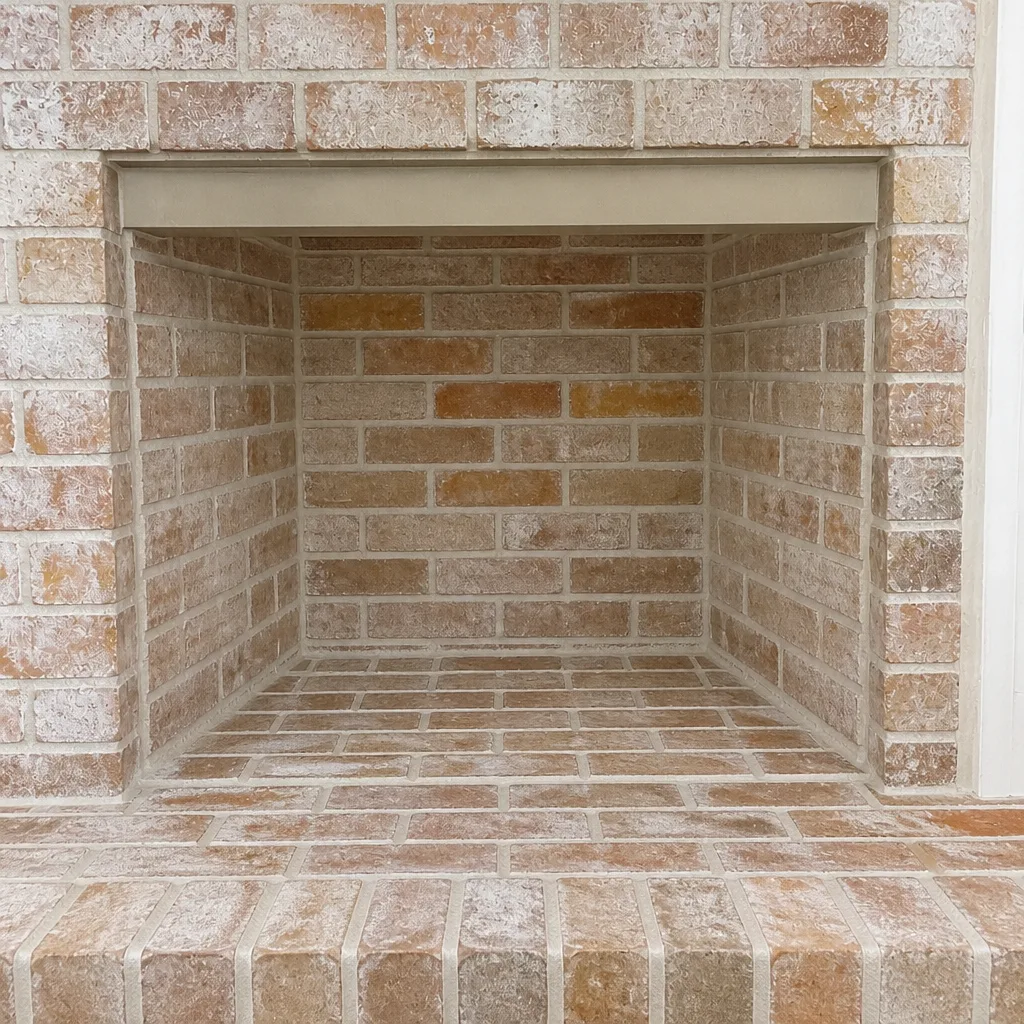
See the difference
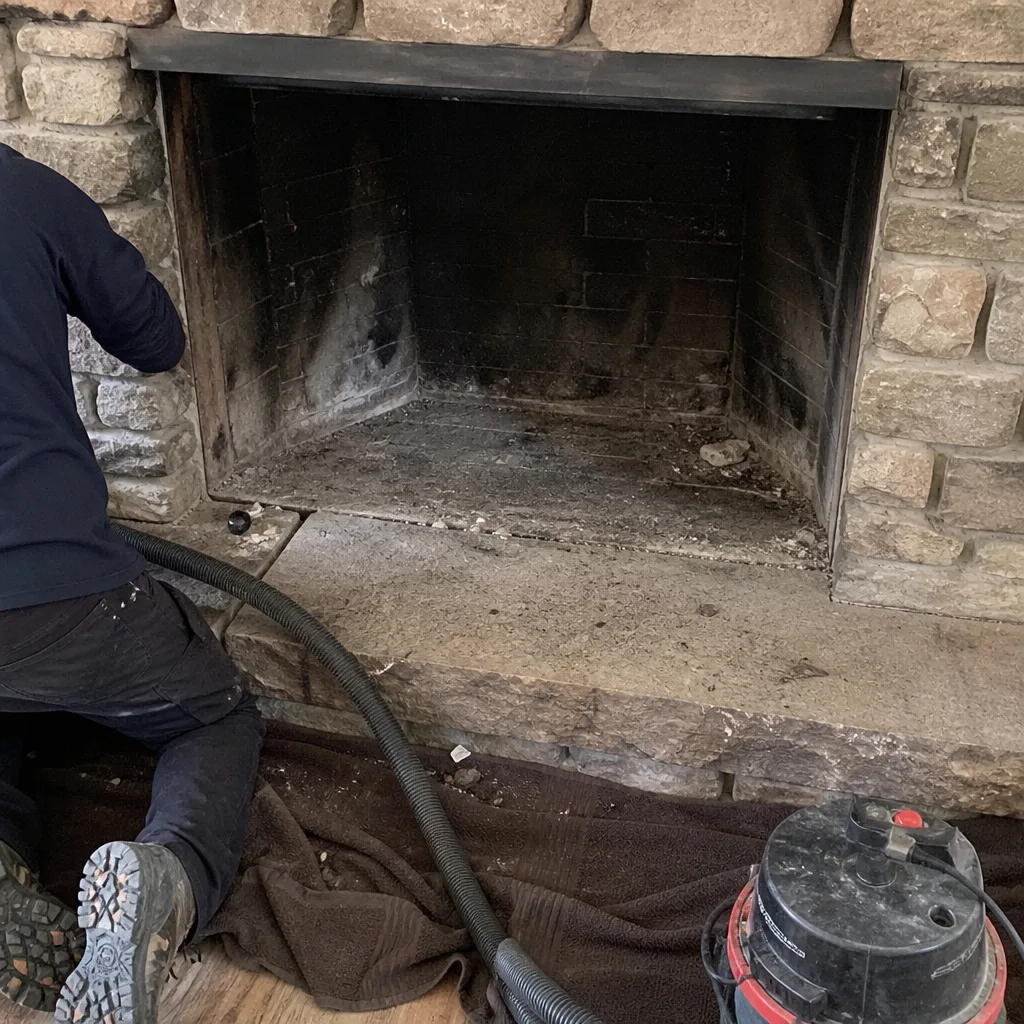 Before
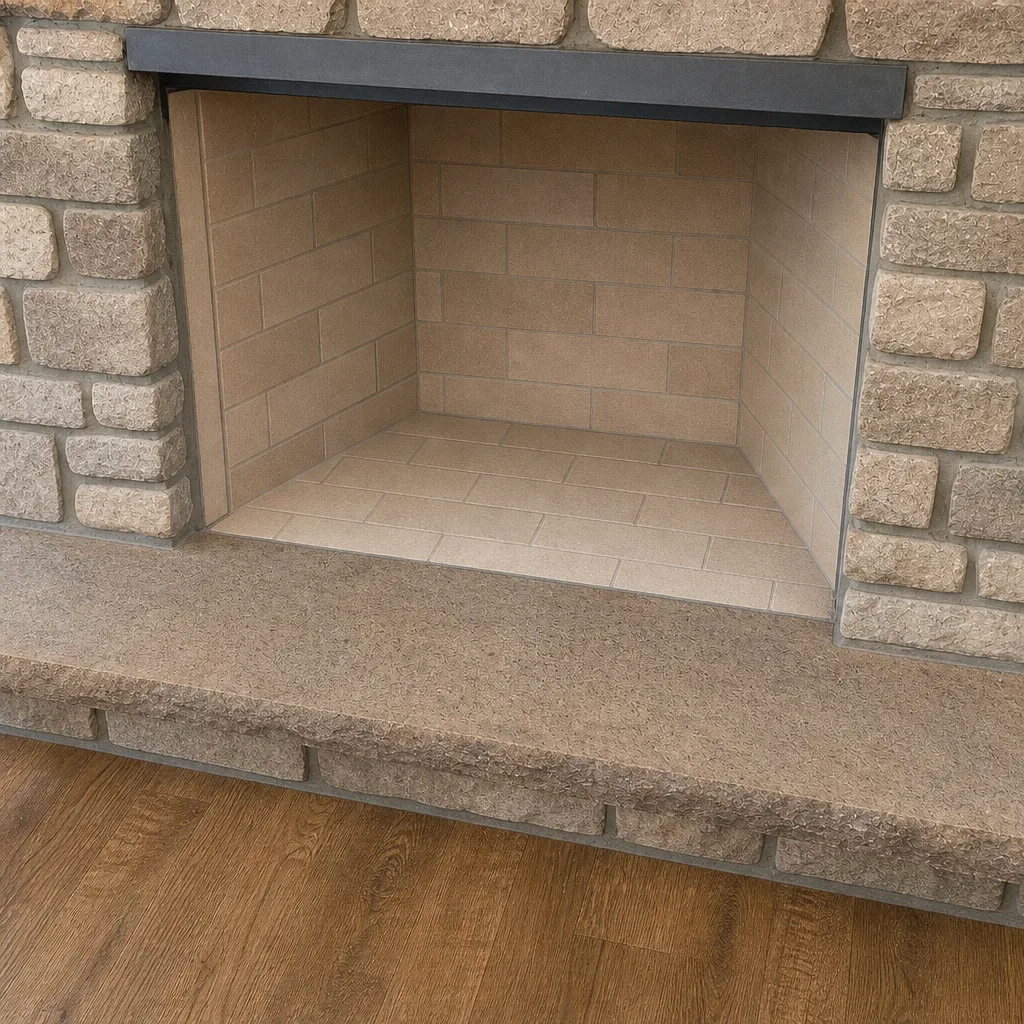 After
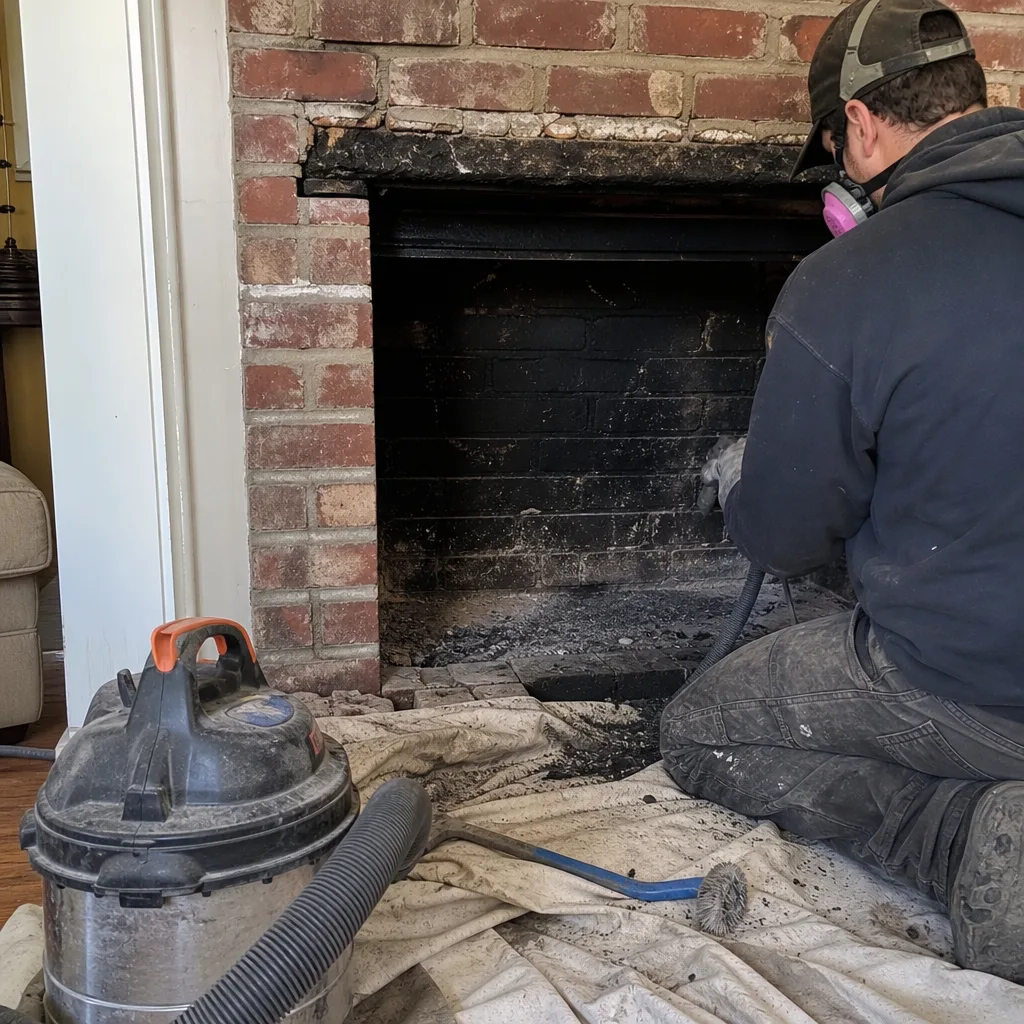 Before
 After
 Before
 After
When to Call a Professional
Call a professional if any of these apply: you don’t know when the chimney was last inspected; the fireplace has burned heavily for more than a season or two; the flue is old clay tile; the flue is offset; there’s a history of glazed creosote; the chimney has a damaged cap or crown; or you’ve had smoke backing into the room. Each of these tilts the decision away from DIY, because each one needs a camera, a trained eye, and the ability to repair what’s found. The cleaning can wait a little – but the inspection shouldn’t. Chimney Sweep Cottonwood Heights offers free estimates in Cottonwood Heights. Call (866) 589-3511. We answer 24/7. Fast dispatch from 7am to 7pm, Sunday through Friday.
Frequently Asked Questions
You can clean your own chimney without an inspection, but the cleaning won’t tell you whether the chimney is safe. A brush removes stage 1 creosote and leaves liner cracks, offset flues, and stage 2 buildup exactly where they were. If your flue is sound and recently inspected, a maintenance spot-clean is a reasonable thing to do yourself. If you don’t know the state of the liner, the inspection is the part that matters. Call (866) 589-3511 for an exact quote – estimates are free.
Pricing depends on the flue, the creosote stage, and whether any repair work is needed, so we quote per job rather than publish a flat number that won’t hold. What you can count on is a flat-price sweep agreed before we book, and an estimate that’s free. The written estimate you receive sets the final price. Call (866) 589-3511 for an exact quote.
A chimney used regularly through the heating season should be swept and inspected once a year. Heavier use, or a fireplace that has ever produced glazed creosote, can call for more frequent attention. In Cottonwood Heights, where a fireplace often carries real heating duty through a long cold season, the annual inspection is the minimum. Call (866) 589-3511 to book yours – estimates are free.
Creosote keeps building, and the risk climbs with it. Stage 1 flake becomes stage 2 glaze, which is harder to remove and more combustible. A cracked liner left unrepaired lets heat and smoke reach the masonry, which is where a chimney fire can start. The other risk is carbon monoxide – a blocked or damaged flue can send it into the living space instead of up and out. Neither outcome is rare if a chimney goes unattended for years. Call (866) 589-3511 for an inspection – estimates are free.
It depends on what the camera finds. If the liner is cracked or spalled but structurally intact, HeatShield resurfacing can restore it without the cost of full relining. If the flue is badly deteriorated, a DuraFlex liner is the right fix. We won’t recommend either without camera evidence you can see for yourself – and when work can safely wait, we’ll tell you that too. Call (866) 589-3511 for a free estimate.
Gas fireplaces don’t generate creosote the way wood does, but they still need inspection – venting, the cap, and the masonry all wear. Cleaning a gas fireplace yourself is not something we’d recommend, because the components that fail are not visible without a camera and the right tools. For gas, the inspection is the whole job. Call (866) 589-3511 for an exact quote.
The Bottom Line
DIY chimney cleaning can remove the creosote you can reach, and for a lightly used fireplace on a recently inspected flue, that’s a fair maintenance task. For most Cottonwood Heights homeowners, though, the real question isn’t whether you can brush the flue – it’s whether you can see what the brush passed over. Older clay tile liners crack, offset flues defeat a consumer brush, stage 2 creosote resists it, and none of that shows up without a camera. The professional sweep is buying the inspection and the record, not just the cleaning. If you’re unsure where your fireplace falls, a free estimate settles it. One company handles the sweep, the inspection, and any repairs your chimney needs.
If the inspection turns up damage, our chimney repair and fireplace repair services cover resurfacing, relining, caps, and crowns, so the findings become a repair plan rather than a second phone call.
Call (866) 589-3511 for a free estimate. We answer 24/7. Fast dispatch from 7am to 7pm, Sunday through Friday. A call outside dispatch hours is booked into the next opening, Sunday through Friday, 7am to 7pm.
Written by the team at Chimney Sweep Cottonwood Heights.