
Last updated November 23, 2026
 Sweep & inspection
 Caps & crowns
 Flue relining
 Masonry repair
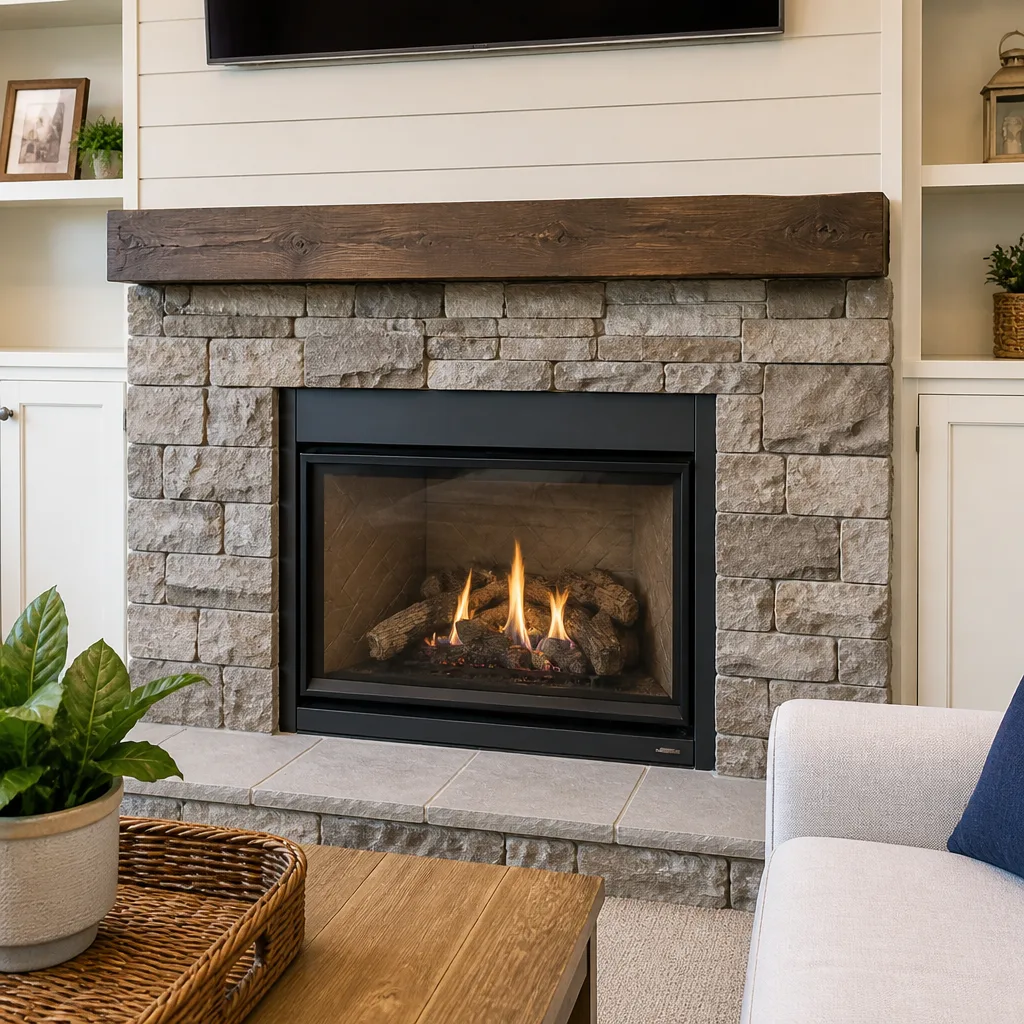 Gas fireplace service
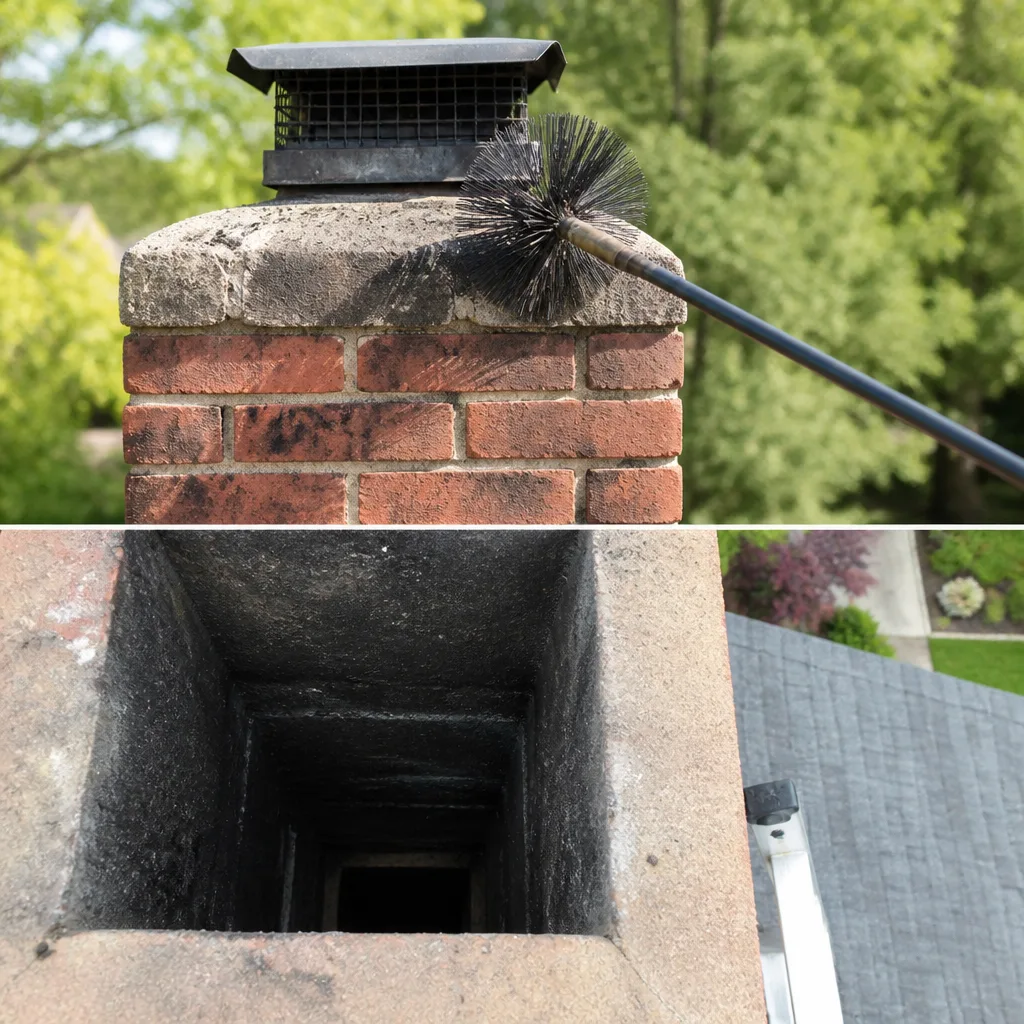
Level 1 sweep and inspection to the NFPA 211 annual standard - flue, crown, cap, and flashing checked and photographed
Chimney sweep logs do not sweep chimneys. They loosen some creosote - which then falls where a brush and vacuum still have to collect it.
Chimney Sweep Maintenance Checklist for Cottonwood Heights Homeowners
The standard “annual sweep” reminder tells you when to act, but not what to look for in the 11 months between professional visits, and that gap is where most damage quietly accumulates. A chimney doesn’t fail in a single dramatic moment. It fails slowly: a hairline crack at the crown, a cap that shifts a quarter inch, a flashing seam that opens up through one freeze-thaw cycle and closes again. Cottonwood Heights sits at the base of the Wasatch, where winter swings hard between thaw and deep freeze, and that cycle does more damage to masonry than steady cold ever does. This checklist is built around how chimneys actually deteriorate here. It covers what you can safely watch from the ground, what needs a trained eye, and how to log it all so every visit builds on the last instead of starting from zero.
Quick Answer
A working chimney maintenance checklist for Cottonwood Heights breaks the year into four phases (pre-season, peak burn, post-season, and summer dormancy) and assigns specific observation tasks to each. Homeowners can handle ground-level checks of the cap, crown, flashing, draft behavior, and creosote buildup. Anything involving the flue interior, masonry joints, or roof-level inspection requires a certified technician with a camera and proper equipment.
Styles & brands we work with
- Sweep & inspection
- Caps & crowns
- Flue relining
- Masonry repair
- Gas fireplace service
Table of Contents
- Why Cottonwood Heights Chimneys Age Differently
- The Four-Season Maintenance Calendar
- Ground-Level Checks You Can Do Safely
- What Normal Draft and Odor Look Like
- How to Log What You Observe
- Checklist Items That Require a Certified Technician
- What Professional-Grade Materials Mean for Your Chimney
- Common Mistakes to Avoid
Why Cottonwood Heights Chimneys Age Differently
Chimneys in Cottonwood Heights live in a specific kind of stress. The town sits high enough that nights run cold well into spring, while many winter afternoons push above freezing. That daily swing is the real enemy. Water gets into small masonry cracks, the temperature drops, that water expands as ice, and the crack widens. Repeat that cycle a few hundred times in a winter and a hairline becomes a structural problem. Steady cold doesn’t do this. Freeze-thaw does.
The other factor is burn intensity. Homes here burn a lot of wood. Cottonwood Heights sits near the canyons, wood is easy to source, and many households heat with a fireplace or insert as much as they decorate with one. High burn volume means creosote accumulates faster than the generic “once a year” advice assumes. If you’re burning several cords a season, once a year may not be enough.
The three failure points that show up over and over on Cottonwood Heights chimneys:
- The crown. The concrete top surface is the chimney’s umbrella. A cracked crown lets water straight down into the masonry and the flue. Freeze-thaw degrades crowns faster than anything else on the chimney.
- The cap. A missing, loose, or corroded cap lets snow, rain, and animals into the flue. A shifted cap also changes draft, which changes how cleanly the fire burns.
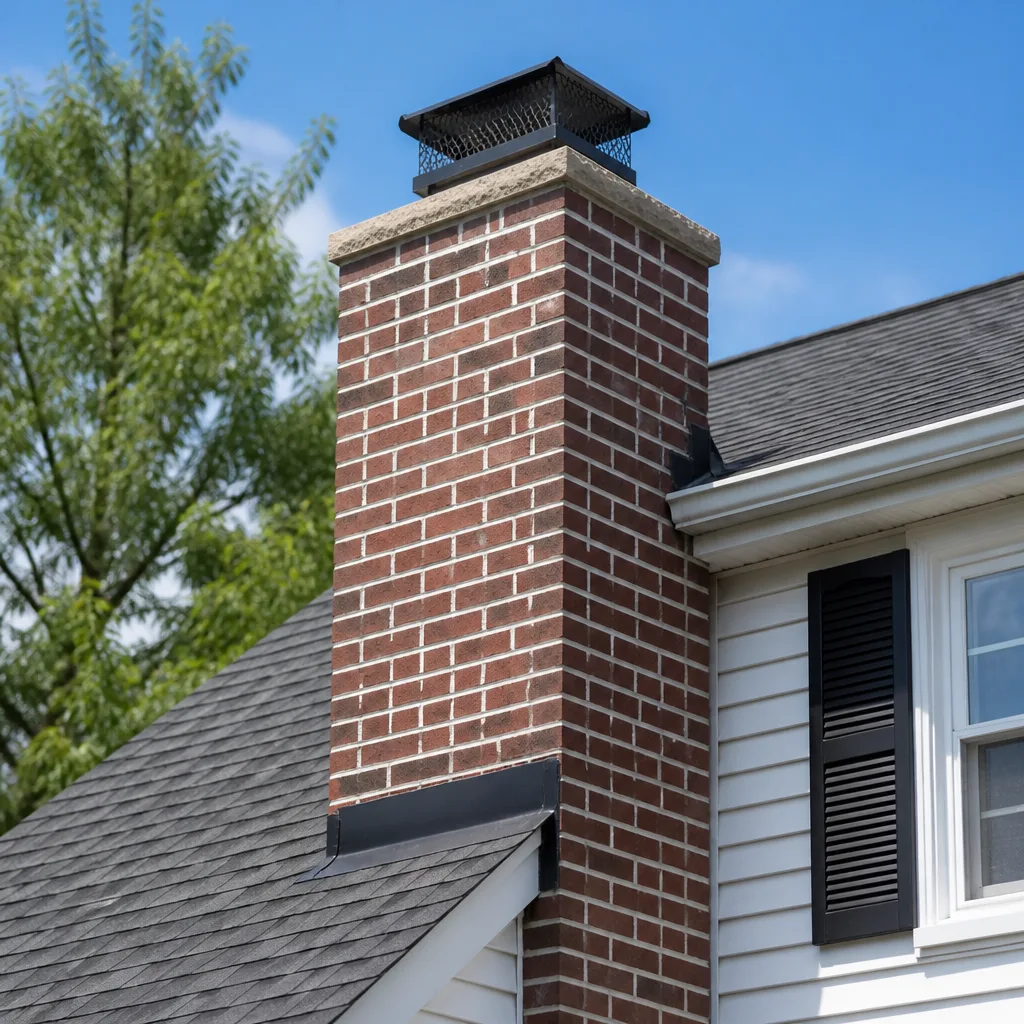
- The flashing. The metal seal where the chimney meets the roof opens as the roof deck and masonry expand and contract at different rates. Water that gets in at the flashing rots the roof structure around the chimney, not just the chimney itself.
None of these three fail dramatically. They fail quietly, over seasons, and that quiet failure is what a good maintenance routine catches early. A Chimney Sweep Cottonwood Heights visit is where those findings get confirmed, but the observation between visits is what puts you on the schedule in the first place.
The Four-Season Maintenance Calendar
A checklist tied to a single annual sweep misses the point. Chimneys behave differently in each phase of the year, and the observations worth making change with the season. Here’s how to structure yours.
Phase 1: Pre-Season (Early Fall, Before First Fire)
- Walk the exterior at ground level and check the crown, cap, and flashing for visible changes from last year.
- Open the damper and check that it moves freely and seats properly.
- Note any odor coming from the firebox when the chimney is cold. A strong smoky or sour smell before you’ve burned anything is a signal.
- Schedule the professional sweep and inspection before the first fire, not after. Booking early avoids the fall crunch that builds once the first cold snap hits and everyone remembers the chimney at once.
Phase 2: Peak Burn (Winter)
- Watch the smoke at the top of the chimney on a still morning. Visible smoke that lingers and doesn’t clear is a draft issue worth noting.
- Listen for changes in how the fire sounds. A fire that used to burn with an open, rushing draft and now struggles is telling you something.
- Watch for smoke spilling into the room when you light a fire. Occasional light backpuff on a very cold first light is normal in many setups. Repeated, persistent spill is not.
- Keep an eye on the snow melt pattern on the roof around the chimney. Snow that melts unevenly near the flashing can indicate heat escaping at a seam.
Phase 3: Post-Season (Early Spring)
- Do a full ground-level inspection while the winter’s damage is fresh. Freeze-thaw does most of its work over the winter, and the next warm spell is when cracks become visible.
- Note creosote accumulation on the firebox walls and the visible part of the damper frame. Heavy buildup after a normal burn season tells you how the wood and burn habits are behaving.
- Check the cap for winter damage from ice and from any wildlife activity.
- Log everything in the same place you logged last year’s notes, so comparisons are possible.
Phase 4: Summer Dormancy (June through August)
- Confirm the cap is fully seated after any windstorms. Summer wind and hail are the common source of shifting caps.
- Look at the flashing seams for any change from the spring inspection.
- Watch the firebox for summer moisture. Cool, humid air in a dormant chimney can pull musty odors into the house through the damper. That is often a sign the chimney needs attention before fall returns, not after.
- Schedule the fall sweep in summer. It’s the quietest window for the technician and the most convenient window for you.
Notice what this schedule does. It turns the year into four small observation windows instead of one big annual event. If you leave Cottonwood Heights for a summer trip, the pattern picks back up when you return.
Ground-Level Checks You Can Do Safely
Everything in this section can be done from the ground or from a ladder placed safely on the ground. Nothing here asks you to get on the roof. That is deliberate. Roof work on a cottonwood-shaded, winter-wet roof around Cottonwood Heights is not a homeowner task. The visual cues below are what you look for from the ground and from inside the house, using binoculars where needed.
What to Look For at the Crown
- Cracks. Hairline to quarter-inch cracks are the earliest warning. Anything wider or with visible displacement is a structural concern.
- Spalling. Concrete that is flaking or crumbling at the crown edge means freeze-thaw is eating it. Fresh flakes on the roof below the crown are a sign.
- Sealant condition. A visible caulk bead that is lifting or peeling tells you the crown has shifted or lost its seal.
- Settling. The crown should slope away from the flue. If it looks flat or cups toward the flue, water is pooling instead of running off.
What to Look For at the Cap
- Position. The cap should sit flat and centered. Any tilt or offset is a signal it has shifted.
- Fasteners. Corrosion or missing screws at the cap legs let the cap walk in the wind.
- Mesh and louvers. Rusted-through mesh no longer keeps birds and debris out. That’s a summer dormancy check worth doing.
- Material condition. Stainless and copper caps last decades with minimal care. Galvanized caps in a wet, cold climate don’t.
What to Look For at the Flashing
- Lifting metal. Flashing that no longer lies flush against the masonry or the roofing is a water entry point.
- Sealant. Old sealant that has cracked or pulled away from the seam.
- Staining. Dark water stains on the masonry below the flashing line or on the roof deck near the chimney.
- Ice dam scars. Any visible sign that ice built up along the flashing over the winter.
What to Look For Inside the House
- Firebox wall condition. Cracked firebrick, missing mortar joints, and whitish efflorescence on the firebox walls are all worth noting.
- Damper operation. The damper should open fully, close flush, and hold position.
- Odor. Compare this year’s summer smell to last year’s. A noticeable increase usually means more absorbed creosote or moisture.
- Ceiling and wall above the firebox. Any staining that wasn’t there before is a sign of moisture or heat where it shouldn’t be.
Ground-level observation does not replace a camera inspection. It tells you when one is due sooner than the calendar would suggest.
What Normal Draft and Odor Look Like
Draft and odor are the two most useful signals a homeowner has, and they’re the two most commonly misread. Here’s how to tell normal from a warning sign.
Normal Draft Behavior
- On a cold, still morning, smoke rises straight up and clears within a minute or two of a fresh fire being lit.
- A fire lights quickly with modest kindling. It doesn’t need heroic effort to catch.
- The fire burns with visible flame and the wood burns to white ash, leaving relatively little charred material.
- Opening the firebox door pulls a slight inward draft rather than pushing smoke into the room.
- Occasional light backpuff on a very cold first light is normal in many setups. Repeated backpuff is not.
Draft Deviations Worth Noting
- Smoke that curls back down the chimney on a still day with no obvious external cause.
- A fire that used to light easily but now struggles, especially if the wood and habits haven’t changed.
- Visible smoke that lingers and drifts near the chimney top on still mornings.
- Smoke spilling into the room without an obvious cause (open window, kitchen exhaust running).
- A noticeable increase in how much noise the fire makes, or a change in how the draft sounds.
Normal Odor Behavior
- Little to no smell when the chimney is cold and the damper is closed.
- Faint smoky smell in the room shortly after a fire, fading over hours as the chimney cools and the damper seals.
- A light musty smell on humid summer days if the damper isn’t perfectly tight. Mild and seasonal is normal.
Odor Deviations Worth Noting
- A sharp, acrid smell that appears even when the chimney is cold and the damper is closed.
- Persistent smoky smell in the room over days, not hours.
- A sour smell in summer that’s noticeably stronger than last year.
- Any smell that appears in rooms that aren’t the fireplace room. That suggests a pressure or draft problem pulling from the chimney.
When you see a draft or odor deviation, log it with the date and a short note about the weather and burn history. That context is what makes the observation useful to a technician, and a chimney sweep visit is where it gets checked against what the flue actually looks like.
How to Log What You Observe
The most underrated part of chimney maintenance is record-keeping. A technician who starts every visit from zero has to rebuild a baseline each time. A technician who walks in with last year’s notes and photos can compare findings and spot trends before they become repairs. That’s the difference between reactive and preventive work, and it costs nothing to build.
What to Record
- Date and season phase. Note which of the four phases the observation fell in.
- Weather context. Cold and still, windy, thawing, wet. The chimney behaves differently in each, and the observation only means something in context.
- Burn history. Roughly how much wood burned since the last entry. Not exact cords, just a rough note.
- What you saw. Keep it short and concrete. “Hairline crack along the east face of the crown, about two inches long” beats “crown looks bad.”
- Photos from the same angle every time. The crown, the cap, and the flashing each deserve one photo from a stable vantage point. Take it the same way each season so the comparison is meaningful.
- What a technician found. After each professional visit, note their findings in your log. That turns their visit into part of your record instead of a separate event.
How to Organize It
A simple paper notebook works. So does a notes app with dated entries or a folder of dated photos. The structure matters less than the consistency. What makes a log useful is that every entry answers the same questions in the same order, so a year from now you can scan it side by side.
What to Hand the Technician
When a technician arrives, hand over the log or share the photos. The findings worth comparing year over year (crown condition, cap position, flashing seams, creosote depth, draft behavior) are exactly the ones your log captures. A technician who can see your crown photos from last fall against this fall’s camera inspection has a much sharper picture of whether a crack is stable or growing.
Logs also keep a company accountable. When you can show a technician the photos you took six months ago, their findings and recommendations carry more weight because you can see what changed.
Checklist Items That Require a Certified Technician
Some items on a maintenance checklist are genuinely homeowner-friendly. Others are not just impractical for a homeowner but unsafe to attempt. Know the line.
Genuine Homeowner Self-Checks
- Ground-level visual checks of the crown, cap, and flashing.
- Damper operation and firebox visual condition.
- Draft and odor observation with the notes and photos described above.
- Snow melt patterns around the chimney.
- Ash removal from a cold firebox with the damper closed.
Professional-Only Items
- The interior of the flue. Nothing meaningful can be judged from the top of a fire without a camera, and camera inspection is what turns a guess into a diagnosis.
- Creosote removal beyond surface brushing. Heavy or glazed creosote needs specific methods, not a homeowner brush.
- Flue tile condition and any mortar joint assessment. This is where chimney repair decisions actually get made.
- Crown repair, crown rebuild, or crown sealing.
- Cap installation or replacement.
- Flashing repair at the roof seam.
- Firebox and firebrick repair.
- Any roof-level work at all. Cottonwood Heights roofs are steep, often wet, and often shaded. Roof access is a risk to be avoided, not a task to attempt.
Safety Caveat
Creosote is flammable and, in its glazed form, ignites at temperatures ordinary fires reach. Carbon monoxide is a real risk whenever a flue is blocked or a chimney drafts improperly. These are reasons to have the chimney inspected by a trained technician, not reasons to attempt the work yourself. A camera inspection is safe, fast, and definitive. Guesswork about what’s inside a flue is not.
For a fireplace repair or any flue work, the technician should be able to show you what they found on camera and explain what it means. If a company can’t, that’s a signal the findings are guesses rather than diagnoses.
What Professional-Grade Materials Mean for Your Chimney
Repair quality depends on material quality, and material quality varies more in the chimney trade than most homeowners realize. The same repair done with commodity hardware-store parts and done with professional-grade materials look identical on the day they’re installed and behave very differently over the following winters.
Why It Matters in Cottonwood Heights
Freeze-thaw cycling is unforgiving to weak materials. A cap that works in a mild climate can spall and shift in two winters here. A rigid liner that survives in a dry environment can fail at joints when the flue sees repeated thermal expansion and contraction. The materials are the difference between a repair that lasts a decade and a patch that fails in three years.
Materials We Use
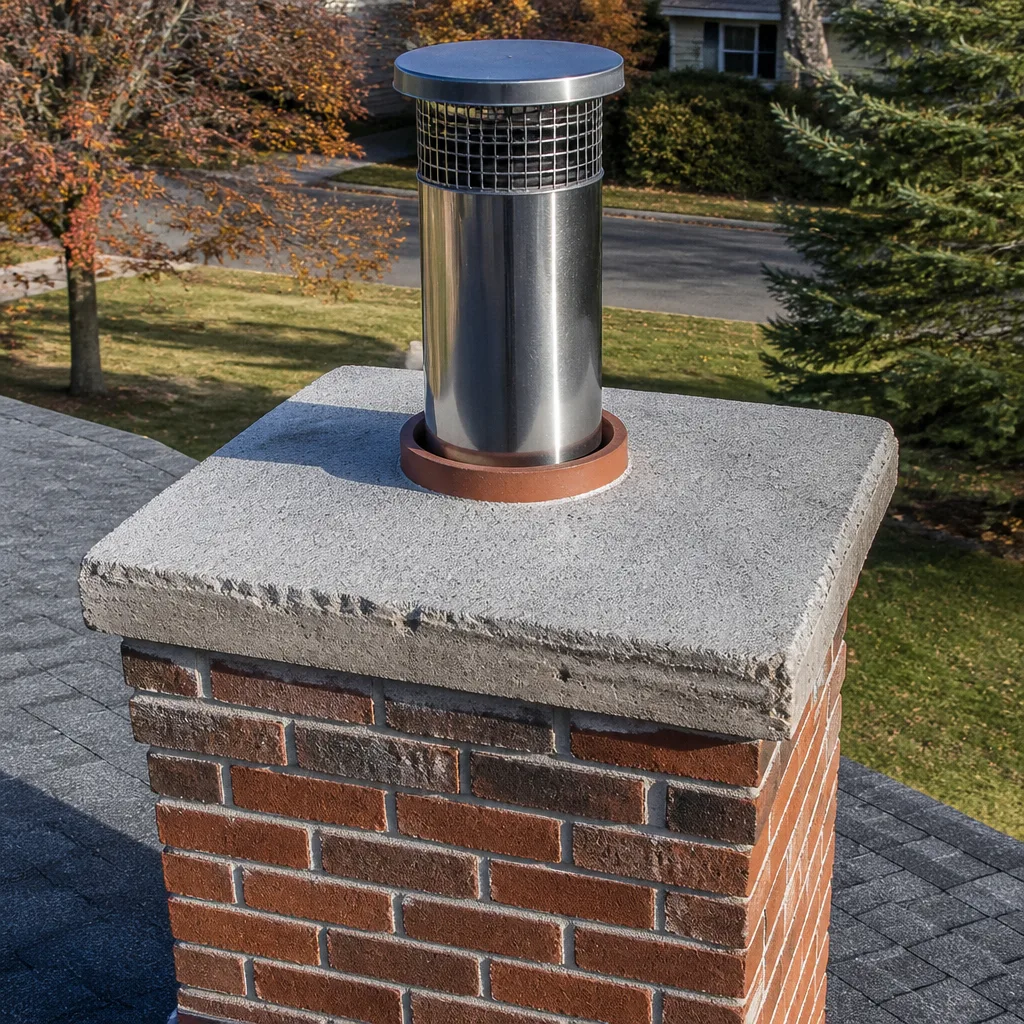
We work with professional-grade product lines used by chimney specialists: DuraFlex liner systems, HeatShield chimney resurfacing, Gelco caps, Olympia Chimney components, Famco venting products, and Copperfield supplies. The point isn’t to name-drop brands. The point is that when we say a repair will hold up, we can tell you exactly what it’s made of.
HeatShield: A Repair Option Most Sweep Companies Can’t Offer
A damaged flue doesn’t always need a full liner replacement. HeatShield resurfacing restores a damaged flue from the inside, rebuilding the interior surface without the cost of a full reline. That’s a middle path a lot of basic sweep companies simply can’t provide, and it’s worth asking about specifically if you’re told you need a liner you’re not sure you need.
Caps and Crowns Are Structural, Not Cosmetic
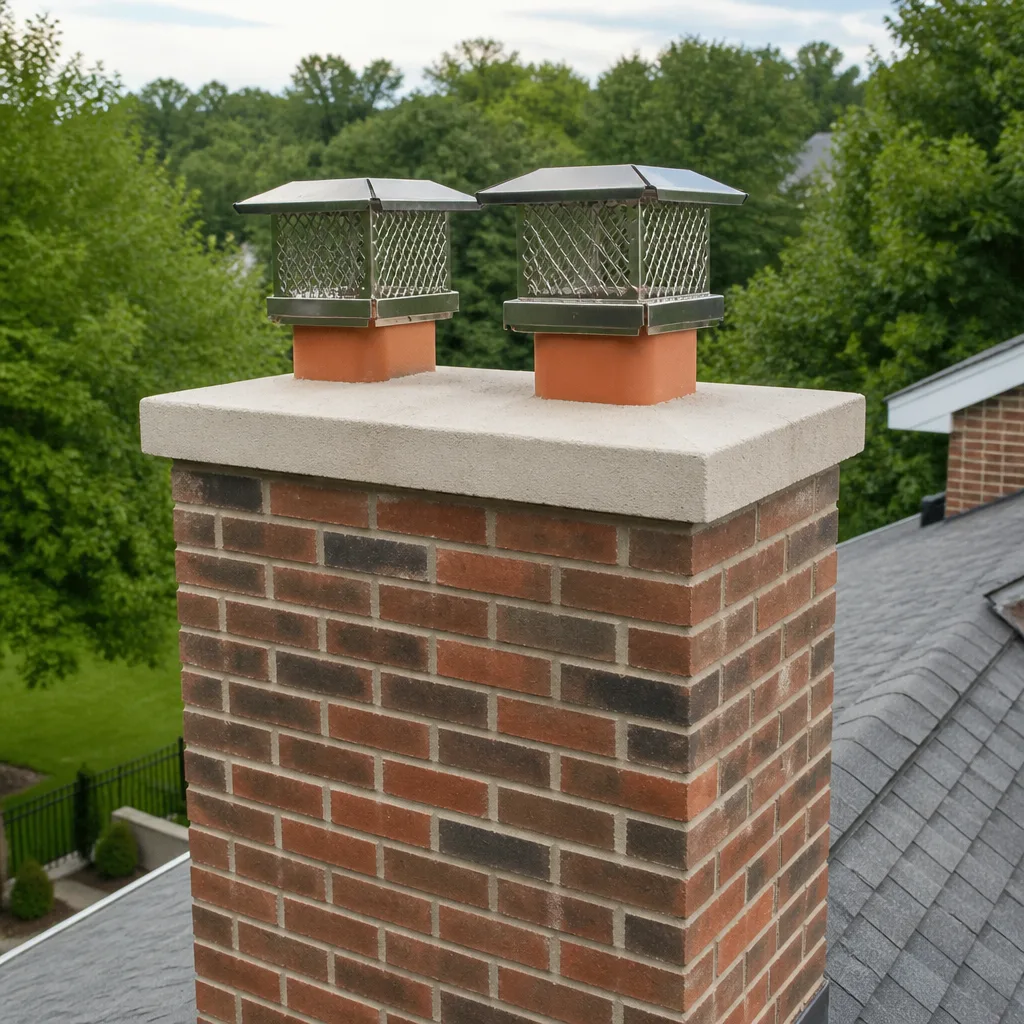
A cap and crown aren’t decoration. They’re the primary defense against water damage and, in Cottonwood Heights, against freeze-thaw. A Gelco cap installed correctly does two jobs: it keeps water out and it keeps animals and debris out. A crown sealed or rebuilt correctly does the same at the top of the masonry. Together they extend the chimney’s life more than any single repair you can buy.
Common Mistakes to Avoid
- Treating “once a year” as a fixed rule. In Cottonwood Heights, heavy wood burners and second-home fireplaces accumulate creosote at very different rates. Annual isn’t a universal schedule; it’s a starting point you adjust based on how the chimney actually behaves.
- Inspecting only in fall. Fall inspections catch winter damage after it’s already happened, not before. Winter freeze-thaw, spring thaw, and summer dormancy each deserve their own observation window.
- Skipping the camera. A visual inspection from the top of the fire can miss most of what matters. Camera inspection is what turns “looks fine” into an actual finding. If a company won’t use one, find one that will.
- Assuming a liner is automatically needed. Full liner replacement is sometimes necessary and sometimes not. HeatShield resurfacing covers a middle ground that a company unfamiliar with the option will simply skip. Ask specifically.
- Ignoring the crown and cap because they “look fine” from the driveway. The crown and cap are exactly the parts that fail quietly, and a distant look won’t catch a hairline crack or a cap that has shifted a quarter inch. Binoculars or a photo from a stable angle will.
- Not keeping a log. Two visits three years apart, without a baseline in between, mean every finding has to be taken at face value. A simple log changes that, and it costs nothing to keep.
- Calling the sweep only when something already seems wrong. Maintenance is preventive. Calling when something is clearly broken means the repair is happening at whatever point the problem surfaced, not at the point it could have been caught early.
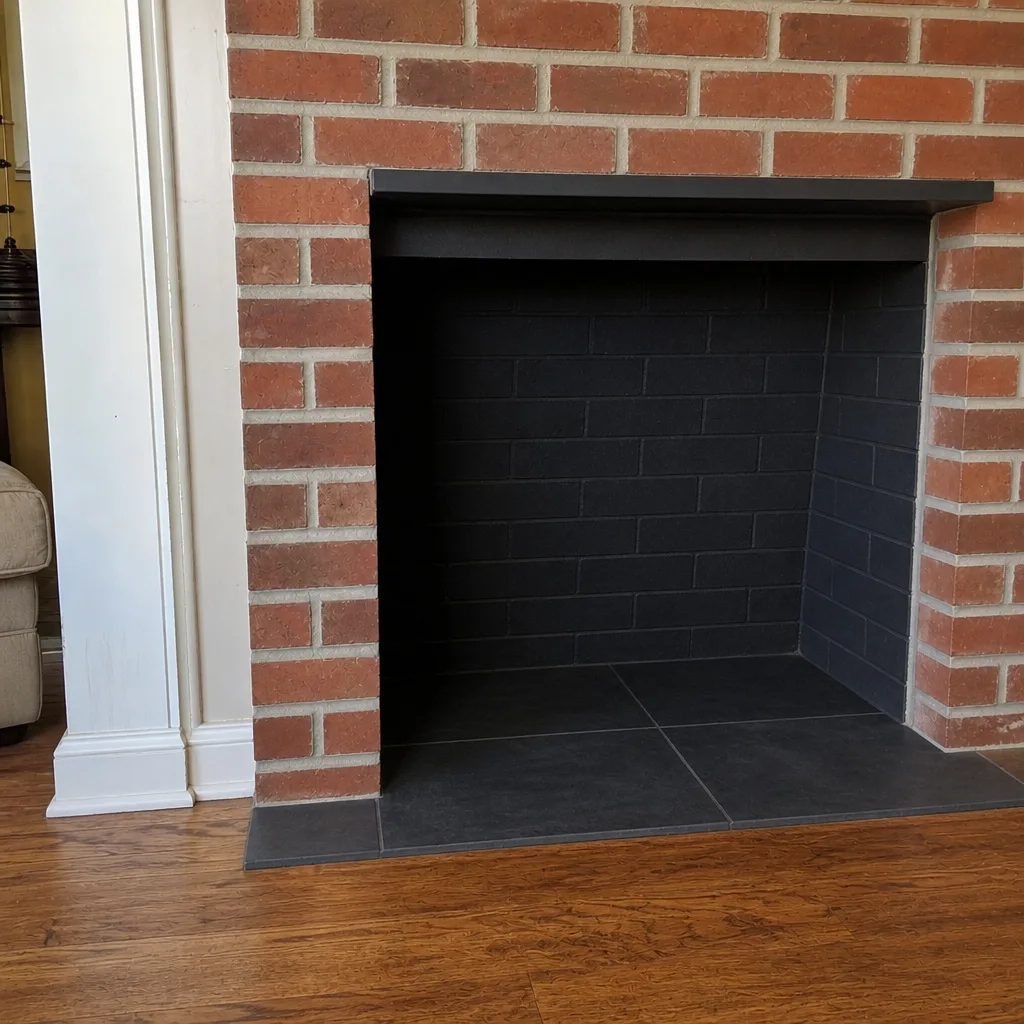
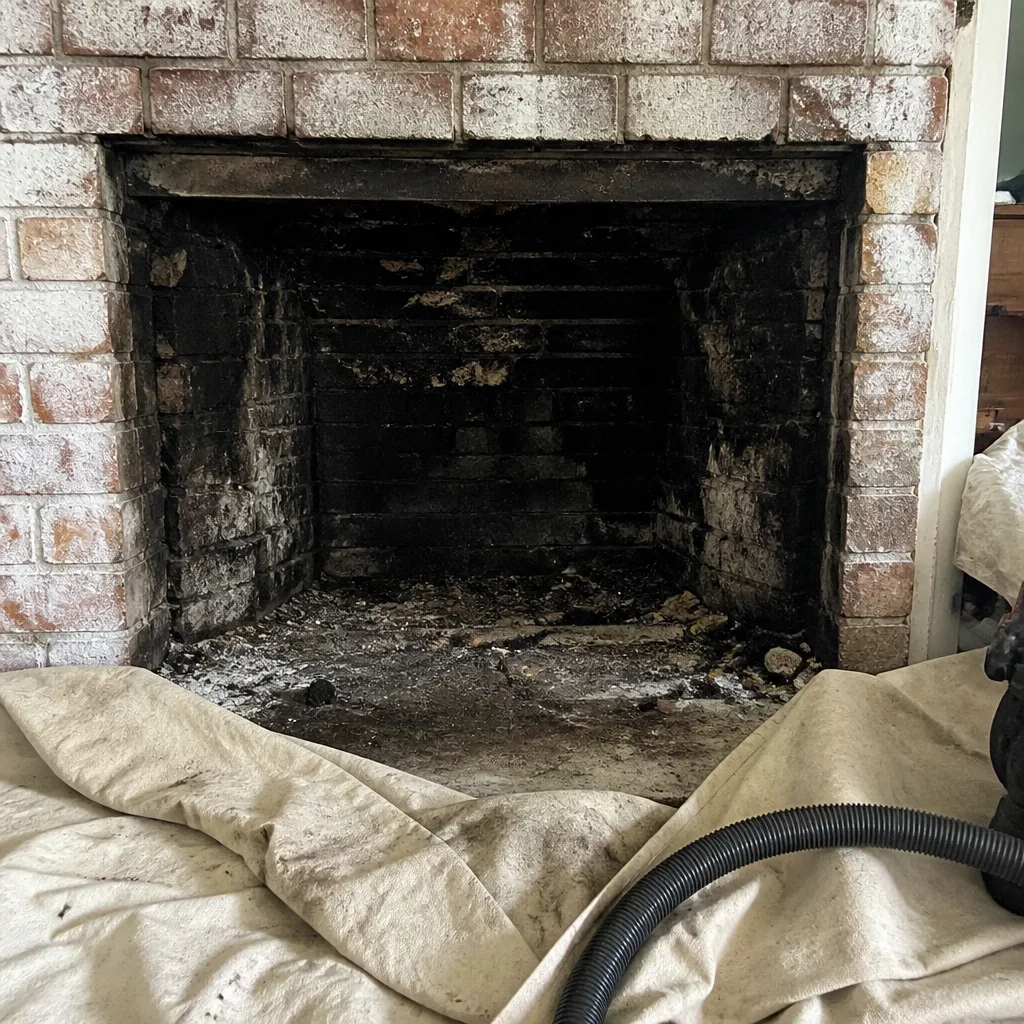
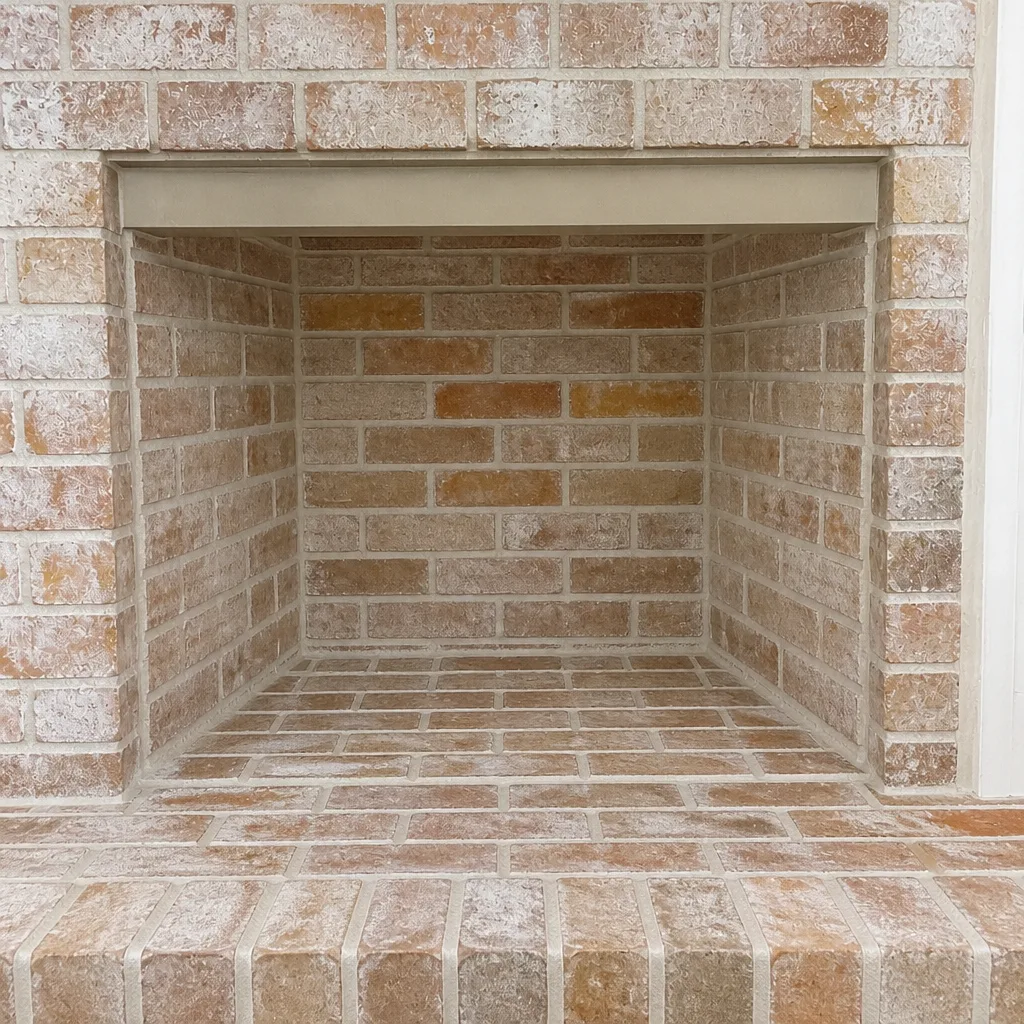
See the difference
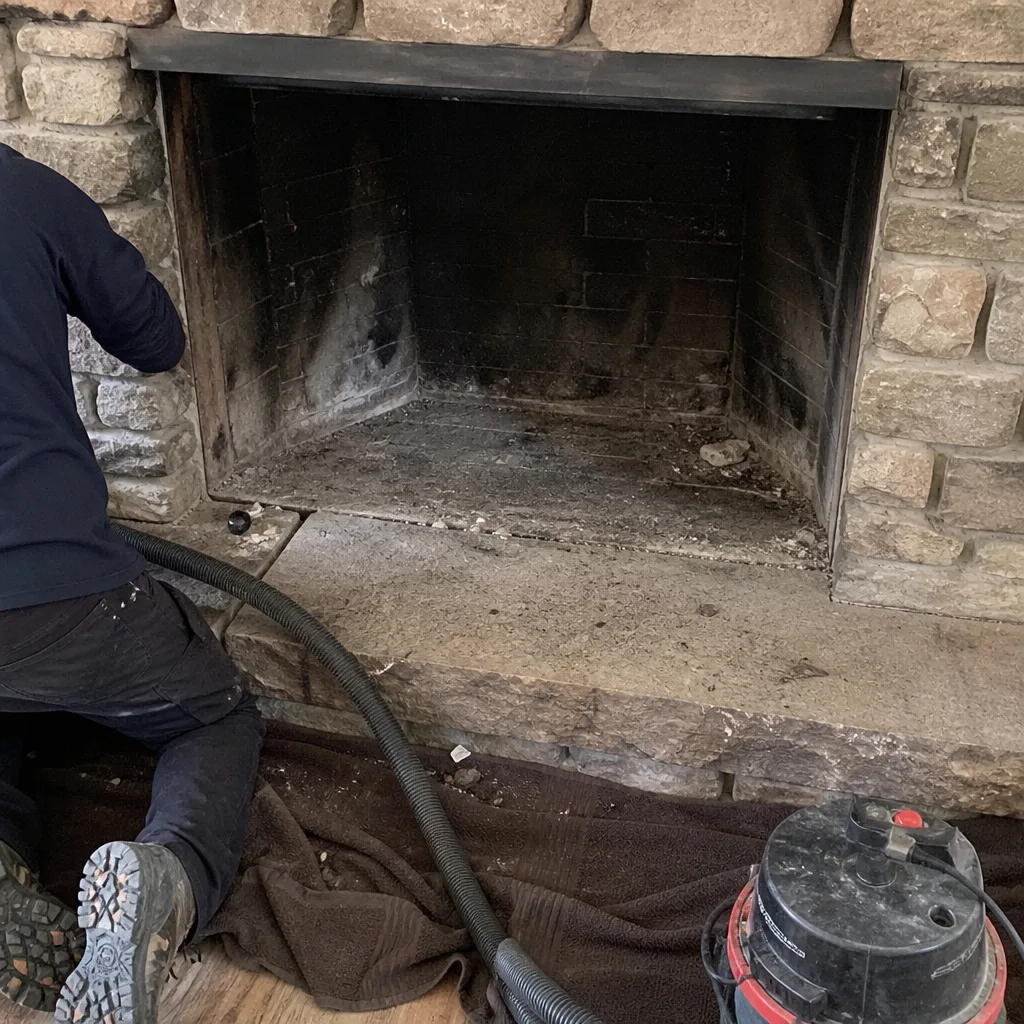 Before
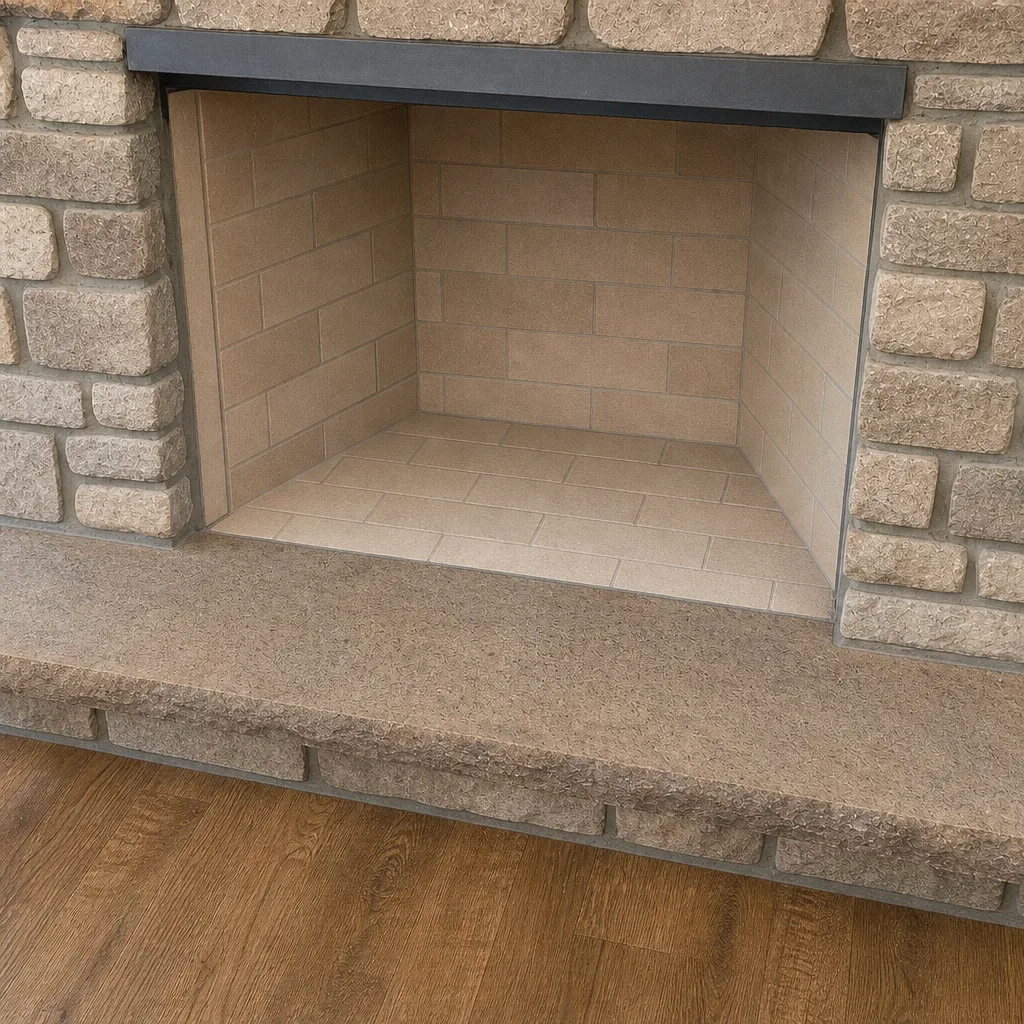 After
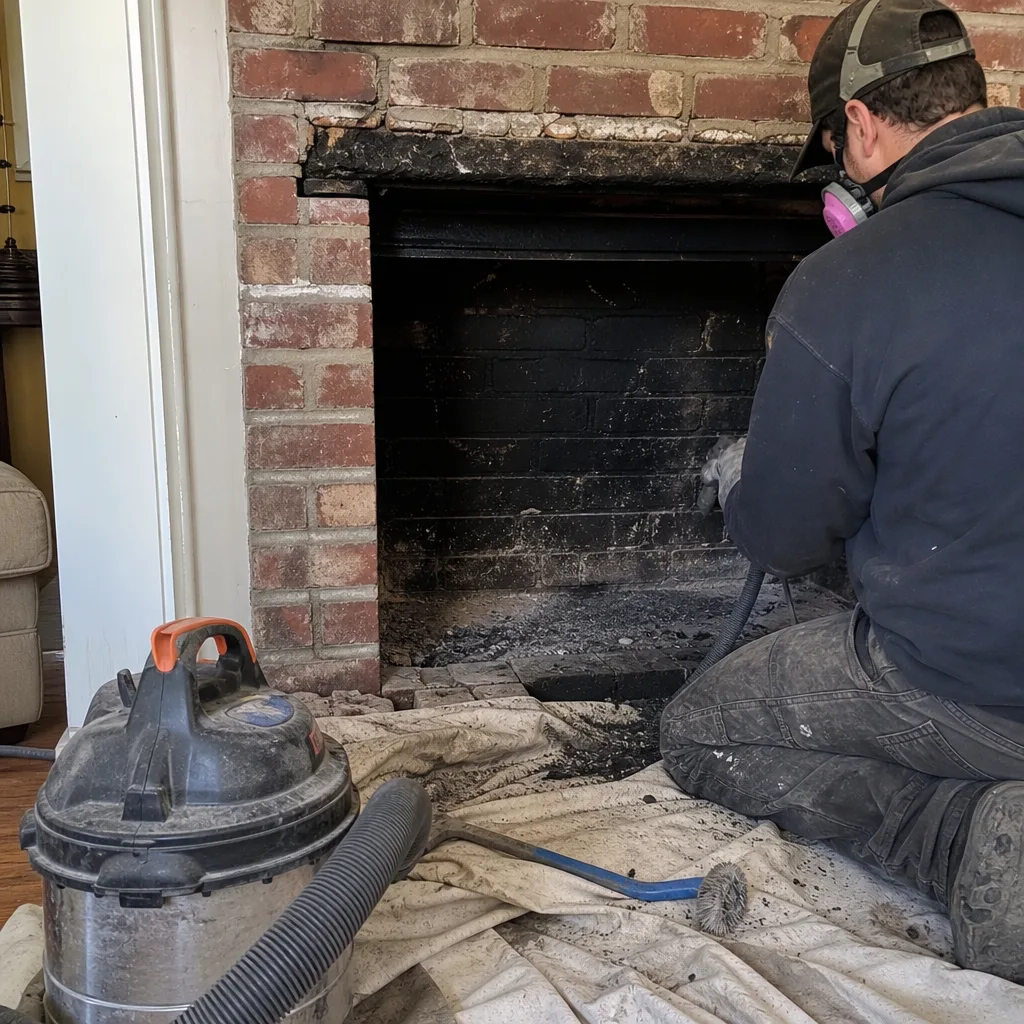 Before
 After
 Before
 After
When to Call a Professional
Some items on this checklist are worth scheduling proactively. Others are worth calling about the moment you notice them.
Call a professional if you see any of these: visible smoke spilling into the room when a fire is lit and the damper is open, a persistent smoky or acrid smell that isn’t tied to a specific fire, a cap that has clearly shifted or gone missing, visible water staining on the masonry or ceiling near the chimney, an obvious creosote smell that has grown stronger than last year, or a cold season that has clearly not burned cleanly. Those are the signals that the annual visit isn’t the right timeline and an earlier look is warranted.
If it has been more than a year since the chimney was inspected, that’s enough reason to book one even without any of the above. Camera inspection is the cheapest, quickest way to know what’s actually happening inside the flue.
Chimney Sweep Cottonwood Heights offers free estimates in Cottonwood Heights. Call (866) 589-3511. We answer 24/7. Fast dispatch from 7am to 7pm, Sunday through Friday.
Frequently Asked Questions
Most Cottonwood Heights homeowners should schedule a sweep and inspection once a year, and heavier wood burners should plan on it more often. The “once a year” advice assumes moderate burn volume, and that assumption doesn’t hold for every household here. If you burn several cords a season, get the camera inspection and let the findings set the right interval for your chimney. Call (866) 589-3511 for a free estimate.
A useful maintenance checklist is divided into homeowner tasks and professional tasks, on a season-by-season schedule. Homeowners handle ground-level crown, cap, and flashing checks, damper operation, draft and odor observation, and a simple observation log. A certified technician handles the flue interior, creosote removal, flue tile and mortar condition, crown and cap work, flashing repair, and firebox repair.
The crown and cap are the chimney’s primary defense against water, and water is what actually destroys masonry over time in Cottonwood Heights. Freeze-thaw turns every bit of trapped water into an expanding wedge inside the masonry. A crown with a hairline crack and a cap that has shifted are the earliest signs of a much larger repair ahead. Gelco caps and properly sealed crowns are the cheapest long-term protection available.
You can and should check the parts of your chimney you can see safely from the ground and from inside the house. The crown, cap, and flashing are all worth monitoring, and draft and odor observations are genuinely useful. You cannot safely or meaningfully inspect the inside of your flue, and you should not attempt roof-level work here. That’s where a technician with a camera comes in.
HeatShield resurfacing repairs a damaged flue from the inside without a full liner replacement. It restores the interior surface of the flue where the original tile has cracked or lost integrity, and it’s a legitimate middle-ground option between “flue is fine” and “flue needs a full liner.” Ask specifically for it if you’ve been told a full reline is the only path, and ask the technician to show you the camera footage that led to the recommendation.
A log lets the technician compare this year’s findings against last year’s, which turns a single inspection into a trend. That matters most for the parts that fail quietly: crown cracks, cap position, and flashing seams. Without a log, every inspection has to establish a baseline from scratch. With one, the technician can tell you whether a crack has grown, whether the cap has shifted, and whether a repair can safely wait. Call (866) 589-3511 for a free estimate and bring your notes.
The Bottom Line
Chimney maintenance in Cottonwood Heights isn’t a once-a-year task, it’s a year-round habit measured in four phases and small observations. The parts that fail quietly (crown, cap, flashing, and flue interior) are the ones that matter most, and the ones that need a camera inspection to catch. Ground-level checks and a simple log let you spot changes early and give your technician a baseline each visit. Professional-grade materials like DuraFlex, HeatShield, and Gelco are what make a repair last through a Cottonwood Heights winter, and a camera inspection is what turns a vague recommendation into a finding you can verify. Build the log, do the safe checks, and put the technician to work on the rest.
Written by the team at Chimney Sweep Cottonwood Heights.