
Last updated November 23, 2026
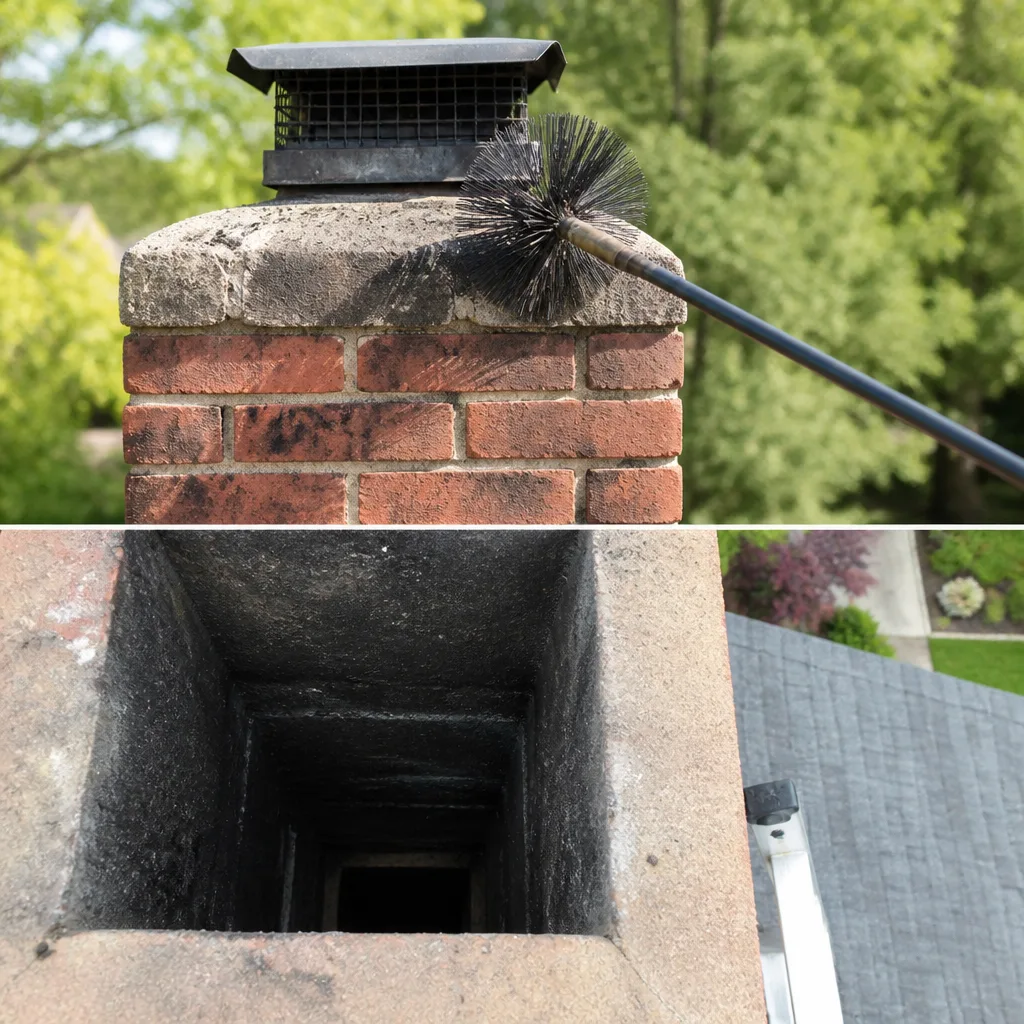 Sweep & inspection
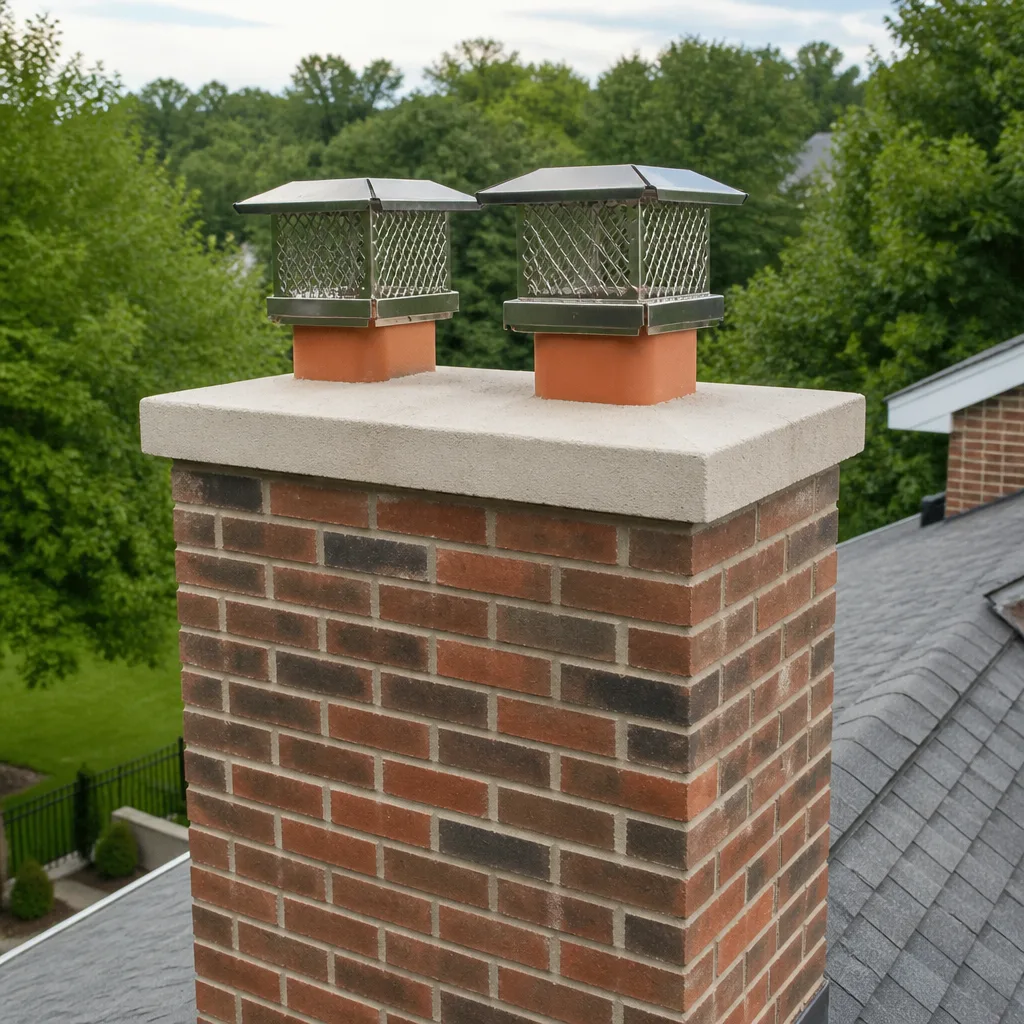 Caps & crowns
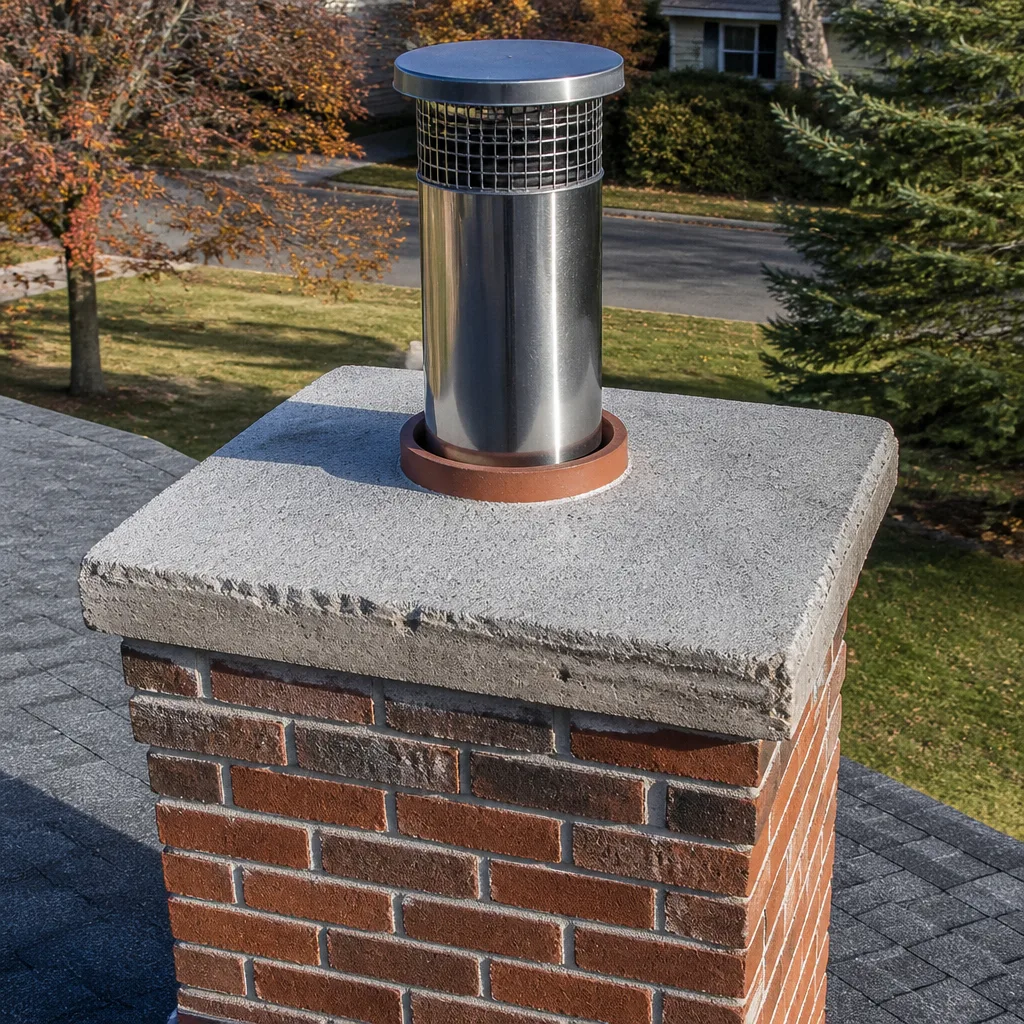 Flue relining
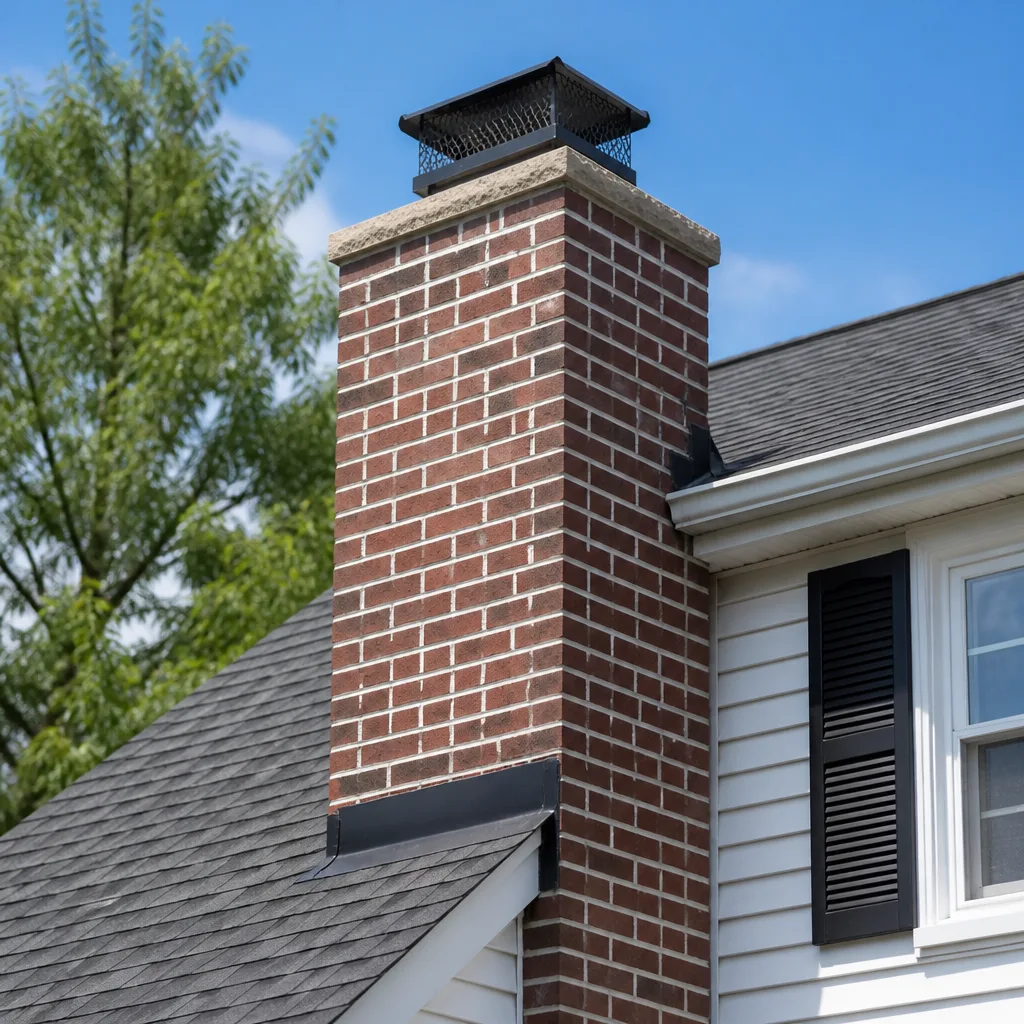 Masonry repair
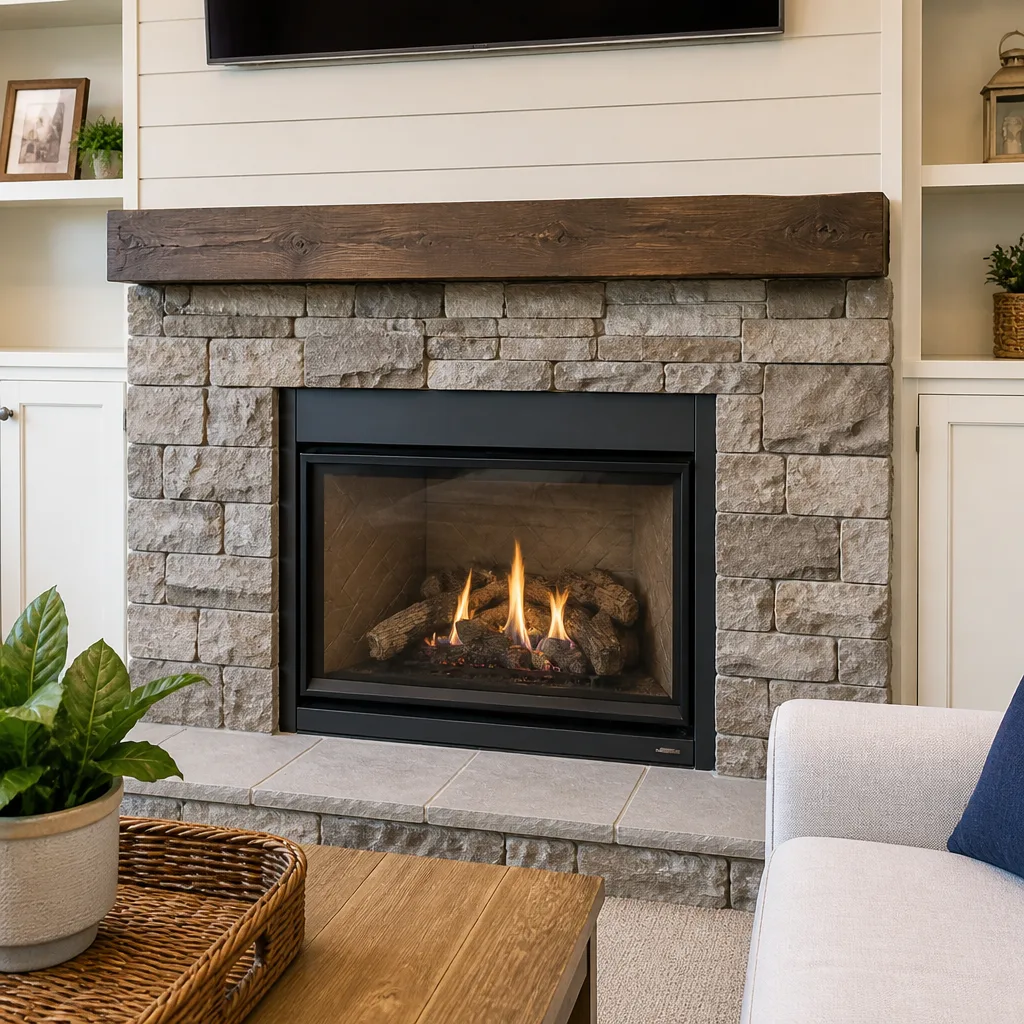 Gas fireplace service
Level 1 sweep and inspection to the NFPA 211 annual standard - flue, crown, cap, and flashing checked and photographed
Chimney sweep logs do not sweep chimneys. They loosen some creosote - which then falls where a brush and vacuum still have to collect it.
The Complete Guide to Chimney Cleaning in Cottonwood Heights
Most chimney fires in Utah are caused by chimneys that were cleaned, just not thoroughly enough for the way homes along the Wasatch bench actually burn. A sweep that clears the firebox and brushes the smoke chamber can leave the stuff that ignites untouched, because the conditions that build it here are different from what a flatland checklist assumes. Cottonwood Heights sits at elevation, gets the cold-start habits of a mountain valley, and cycles hard through freeze-thaw every winter. This guide covers what those conditions do inside your flue, how a proper cleaning should connect to inspection and repair, and what to watch for.
Quick Answer
Chimney cleaning in Cottonwood Heights means removing creosote, soot, and blockages at every stage, then checking the flue liner, cap, crown, and flashing while the chimney is open. A standard brush-and-vacuum sweep handles the firebox and flue, but high-elevation burning and inversion-driven draft problems here mean you should ask for a Level 2 camera inspection at the same visit, especially if your home was built between the 1970s and 1990s. The cleaning itself is routine; the inspection is what tells you whether your chimney is actually safe to use.
Styles & brands we work with
- Sweep & inspection
- Caps & crowns
- Flue relining
- Masonry repair
- Gas fireplace service
Table of Contents
- Why Chimney Cleaning Works Differently in Cottonwood Heights
- How Elevation and Cold Starts Speed Up Creosote
- What a Level 2 Inspection Reveals That a Sweep Misses
- Flue Liner Vulnerabilities in 1970s-1990s Homes
- The Inversion Layer and Your Draft
- What a Full Chimney Cleaning Appointment Involves
- How Cleaning Connects to Repair and Capping
- What Chimney Cleaning Costs and What’s Included
Why Chimney Cleaning Works Differently in Cottonwood Heights
A chimney doesn’t care about your zip code. It cares about temperature swings, burn habits, and how much moisture gets into the masonry. Cottonwood Heights sits on the east bench of the Salt Lake Valley at roughly 4,500 to 5,000 feet, wedged between the Wasatch foothills and the valley floor. That geography sets up three things a generic sweep protocol doesn’t account for: colder overnight air, canyon winds that move downslope through the neighborhoods below Big and Little Cottonwood canyons, and repeated freeze-thaw cycles that punish brick and mortar joints all winter.
None of that means a cottonwood heights chimney is inherently dangerous. It means the inspection and cleaning have to be tuned to how these homes actually run their fireplaces. A house in Sandy at a little lower elevation burning the same cordwood won’t see the same creosote pattern as a house up off Wasatch Boulevard, and the difference matters when a technician is deciding whether a flue is clean or only looks clean.
We’ve seen the same pattern across the neighborhoods above Fort Union and along the ridges near Butler Fork: homeowners who sweep every year and still find glazed, hardened creosote at the top of the flue, because the brush reached the firebox but not the upper section where cooler flue gas condenses. That’s the core lesson of this guide. Cleaning is a full-length job, and the inspection is what proves it was done.
- Elevation reduces oxygen density, which changes how wood burns and how flue gases cool on the way up.
- Canyon winds push downslope in the evenings and can reverse a weak draft, pulling smoke and unburned gases back into the room.
- Freeze-thaw stresses mortar and crown concrete, opening tiny cracks that let water into the masonry over the winter.
- Cold starts from a cold firebox burn inefficiently for the first ten to fifteen minutes, which is exactly when the most creosote-forming vapor leaves the fire.
That last point is the one most sweep companies gloss over. Every fire you light in a cold Cottonwood Heights firebox sends a plume of relatively cool smoke up a cold flue. Cool smoke condenses on cool flue walls. Condensed smoke is creosote. The next fire does the same thing. Three winters of cold starts stack up in a way a wood stove that runs continuously never would.
How Elevation and Cold Starts Speed Up Creosote
Creosote forms in three recognized stages, and they differ in how dangerous they are and how hard they are to remove. Stage 1 is soot and light flaky residue, the kind a standard brush knocks loose easily. Stage 2 is a hardened, crusty layer that clings to flue walls and requires more aggressive brushing or a rotary tool to remove. Stage 3 is glazed, shiny, tar-like creosote that’s essentially baked onto the liner surface and is highly flammable.
Every chimney can build all three. What’s different in Cottonwood Heights is the rate at which Stage 2 and Stage 3 show up. Three things push creosote faster here:
- Reduced oxygen at elevation. A wood fire at 4,800 feet has less available oxygen per cubic foot of firebox air than the same fire at sea level. The fire runs cooler and incompletely, and incomplete combustion produces more unburned hydrocarbons, which become creosote.
- Cold-start burn habits. Most Cottonwood Heights homeowners light a fire in the evening for three to four hours and let it die overnight. That’s a cold start every single night, all winter, and cold starts are the most creosote-productive phase of a burn cycle.
- Draft reversals from canyon airflow. When evening downslope winds from the canyons press against the flue, a warm fire can momentarily stall, cooling its own exhaust and letting vapor condense. The next draw clears the air, but the condensation is already on the wall.
The practical takeaway: annual cleaning is a minimum in Cottonwood Heights, not a maximum. Homes burning four or more cords a season, or burning green or unseasoned wood, should have the flue checked more often. We inspect every flue before cleaning so the technician sees exactly what stage of buildup is present and can plan the right tooling for it.
It also means the wood you burn matters more than most people realize. Seasoned hardwood, split and dried for at least a year, burns hotter and produces less creosote than the “bargain” mixed loads that sometimes show up around the east bench. A hotter fire is a smokier start but a cleaner finish, because the flue stays warm and the plume rises without condensing. If you’re not sure of your wood’s moisture content, ask the technician to check it during the visit.
What a Level 2 Inspection Reveals That a Sweep Misses
Chimney inspections follow a three-level framework. A Level 1 inspection is a visual check of the accessible parts of the chimney with normal tools, done during a routine sweep. A Level 2 inspection adds a camera run through the full length of the flue, a closer look at the smoke chamber, and a video record. A Level 3 inspection, which is less common, involves opening up parts of the structure. For most Cottonwood Heights homes, Level 2 is the standard the situation actually calls for.
The difference is not cosmetic. A Level 1 sweep can tell you the chimney looks fine from the firebox and the roof. A Level 2 camera inspection shows you the inside of the flue. What tends to show up on Cottonwood Heights camera runs:
- Liner joints that have separated or offset, especially in older clay-tile liners, which are common in homes built from the 1970s through the 1990s.
- Hairline cracks in flue tile that don’t show up from a roof crawl but can let heat reach framing lumber.
- Creosote glazed onto the upper flue, well above where a standard brush can reach without a rotary tool.
- Debris birds, squirrels, or leaf litter that has packed into the top of the flue.
- Damaged or missing chimney caps that let water and animals into the flue between fires.
- Loose or deteriorated mortar joints in the smoke chamber or crown.
When is a Level 2 inspection appropriate? The professional standard (and we follow it) is that Level 2 is called for when a chimney changes hands, when a fuel type or appliance changes, after a chimney fire or an earthquake, or when the home has known structural or liner issues. In practice, we recommend a Level 2 for any Cottonwood Heights chimney that hasn’t had a camera inspection in recent memory, and for any home built before roughly 2000 where the liner’s age is unknown.
Utah’s building code, adopted and amended locally, treats wood-burning fireplaces and their liners as governed construction. If you’re selling a home in Cottonwood Heights, expect a buyer’s inspector to want documentation of a Level 2. If you’ve just moved in and don’t know the chimney’s history, treat a Level 2 as the first step. The camera run costs less than a repair, and it tells you what you actually own.
The inspection is also where the difference between a real diagnostic and a checkbox visit shows up. A vague “looks fine” doesn’t tell you anything. The inspection report should identify what was found, what it means for the chimney’s safety and life, and what options exist. When we find a defect, we show the video, explain what it is, and give you options, including the option to do nothing if the issue is minor and can safely wait.
Flue Liner Vulnerabilities in 1970s-1990s Homes
A lot of Cottonwood Heights was built up during the home-construction boom of the 1970s, 1980s, and 1990s, when the east bench and the ridges below the canyons filled in with single-family homes. Many of those homes came with clay-tile flue liners, and those liners are now 25 to 50 years old. Clay tile was a solid material for its time, but it was never designed to last forever, and the conditions here are harder on it than in the valley.
What typically goes wrong in a mid-century or late twentieth-century Cottonwood Heights liner:
- Thermal stress fractures. Rapid heating and cooling, plus repeated freeze-thaw cycles on the chimney exterior, stress the mortar between tiles. Once a joint cracks, gases can escape into the surrounding masonry.
- Offset or separated joints. Clay tiles stack with mortar joints between them. Over decades, those joints shear and the tiles step out of alignment, creating crevices that trap creosote and let gases leak.
- Spalling tile faces. Moisture that gets into the tile from the top or through cracked mortar freezes, expands, and flakes the tile face. Flaking interior tiles reduce the liner’s effective thickness.
- Original construction shortcuts. Some liners from that era were installed with less than ideal clearances to combustible framing. A cracked tile in that situation is far more serious than in a properly built chimney.
Here’s where the repair landscape has improved. A damaged flue doesn’t always mean a full relining job. HeatShield is a resurfacing system that casts a new, smooth, insulated surface inside the existing flue, sealing cracks and restoring the liner without tearing it out. That’s a repair option basic sweep companies can’t perform, and it saves the cost of a full liner replacement on flues that are still structurally sound. When the liner is beyond resurfacing, we install DuraFlex liner systems, which are professional-grade flexible stainless liners designed for the sort of retrofit and reline work older clay-tile chimneys often need.
The decision between resurfacing and relining is exactly what a Level 2 inspection is for. The camera tells us how much of the liner is compromised. Small isolated cracks and surface spalling are often candidates for HeatShield. Fully collapsed sections or widespread offset joints are candidates for a DuraFlex reline. A professional-grade job of either kind means the materials are up to the standard the repair requires, which is why we use recognized product lines rather than commodity hardware-store parts.
The Inversion Layer and Your Draft
Anyone who has lived in the Salt Lake Valley for a winter knows the inversion. Cold air settles into the valley, warm air sits above it, and the result is a stable, low layer of still air that holds onto everything in it. Cottonwood Heights sits on the east bench outside the densest part of the valley inversion, but the effect still reaches most homes on the bench, and it changes how a fireplace drafts.
The physics are straightforward. Warm flue gas rises because it’s less dense than cold outside air. That density difference is the draft. When the outdoor air directly above your chimney is unusually warm relative to the valley floor, the density difference shrinks, and the fire pulls less air. During an inversion, the chimney is fighting a near-still atmosphere with no wind to help it move smoke.
What that means for creosote accumulation:
- Lower draft means slower smoke, and slower smoke spends more time in contact with the cooler flue walls. More condensation, more creosote.
- Fires during inversion days tend to burn cool and smoky, especially if the wood isn’t dry. Homeowners often load more wood to get more heat, which makes the problem worse.
- Some homes on the bench, particularly those with tall chimneys or short flues, experience intermittent back-puffing or smoke spillage during inversions. That’s a signal to check the flue and the cap, not to light a bigger fire.
- On inversion days, an annual cleaning that would have been “due in another month” should be moved up. The same chimney can build more creosote in a three-week cold snap than in the rest of the season.
The practical fix in most Cottonwood Heights homes is not a chimney modification. It’s dry wood, a fully open damper at startup, and a proper pre-heat of the firebox before the fire gets loaded. If you notice persistent smoke spillage even on good burning days, that’s the point to call for an inspection. The draft problem is often the cap, the flue height, or an obstruction, not the firebox.
What a Full Chimney Cleaning Appointment Involves
A real chimney cleaning in Cottonwood Heights is more than a man and a brush. Here’s what the visit should look like, in order:
- Pre-inspection. The technician looks at the firebox, damper, smoke chamber, and the exterior of the chimney before doing anything. This is where problems like a cracked crown or a missing cap get flagged before the sweep begins.
- Setup and protection. Drop cloths and a sealed vacuum are set up at the firebox opening so no soot enters the room. If the work involves reaching the roof or the smoke chamber, the technician sets up access safely, including roof protection.
- Cleaning. The firebox, damper, smoke shelf, and full length of the flue get brushed. Glazed Stage 3 creosote usually needs a rotary tool, not just a hand brush. The smoke chamber gets cleaned with specialized tooling because creosote accumulates in it on every fire and ignition risk there is high.
- Level 2 camera inspection (if booked). A camera runs from the top of the flue down to the firebox, recording what it sees. Findings are documented.
- Cap, crown, and exterior check. The technician checks the chimney cap, crown concrete, flashing at the roofline, and the mortar joints on the exterior. This is where water intrusion gets caught before it becomes a masonry repair.
- Findings review. You get a clear walk-through of what we found, what it means, and what (if anything) needs repair. The written estimate comes next, and it’s set per job by that estimate.
Scheduling matters less than the sweep itself. We don’t promise same-day service, and if you call on a cold Sunday evening expecting a technician on the porch, that isn’t realistic. Book a sweep before the burning season and you’ll avoid the rush that hits every chimney company in the valley in November.
If your chimney hasn’t been cleaned in years, budget more time for the visit. A heavy buildup might need a second pass, and the technician may recommend coming back with a rotary tool if the first sweep can’t fully clear glazed creosote. Ask at booking so you know how much of the day to set aside.
How Cleaning Connects to Repair and Capping
Cleaning, inspection, repair, and capping belong to the same job. A sweep that finds a problem should route you to the fix, and one company should be able to carry the fix through. That’s the reason we cover the full chimney lifecycle: a sweep first, an inspection after, and then whichever repair the inspection supports, whether that’s a fireplace repair, structural chimney repair, a HeatShield resurfacing, a DuraFlex reline, or cap and crown work.
Two of those repairs deserve special attention in Cottonwood Heights.
Cap and crown work
The cap and the crown are the chimney’s first line of defense against water. The cap covers the top of the flue and keeps rain, snow, birds, and squirrels out. The crown is the concrete slab on top of the masonry, sloped to shed water away from the flue. When the crown cracks or the cap fails, water gets into the masonry, freezes, and starts to break it apart. In a climate with regular freeze-thaw, that damage moves fast. We install Gelco caps, which are a recognized professional-grade line for this kind of work, and we rebuild or resurface crowns that have failed.
HeatShield and DuraFlex
HeatShield resurfacing restores a damaged flue without the cost of full relining, casting a smooth insulated surface inside the liner. DuraFlex is a flexible stainless liner system for cases where resurfacing isn’t suitable and a full reline is needed. Both are recognized product lines used by chimney specialists, and both let us choose the right repair based on what the inspection actually found instead of starting from “reline” as the default. Olympia Chimney components and Famco venting products show up on some of the repair and venting work as well, again because professional-grade components matter for the lifespan of the repair.
A simple rule for the homeowner: if a cleaning visit produces a repair recommendation, ask to see the camera evidence. If the technician can’t show you why, that recommendation is worth questioning. When we recommend work, you’ll see exactly what we saw.
What Chimney Cleaning Costs and What’s Included
Chimney cleaning pricing depends on the chimney and what the visit includes. A standard sweep is the base cost. A Level 2 camera inspection adds to it. Repairs, if any are needed, are quoted separately. Cottonwood Heights sits at a slightly higher price point than the valley floor because the work here more often involves glazed creosote, and because more homes come with clay-tile liners that call for a camera inspection to establish condition. The written estimate sets the final price, and we don’t charge for the estimate itself.
What’s typically included in a full visit:
- Pre-inspection of firebox, damper, smoke chamber, and exterior chimney
- Setup and room protection with sealed vacuum
- Full flue brush and firebox cleaning
- Smoke chamber cleaning
- Camera inspection (Level 2) if booked
- Cap, crown, flashing, and mortar check
- Findings review and written repair estimate, if repairs are needed
What drives the cost up:
- Heavy Stage 3 glazed creosote, which needs rotary tooling
- Flyaway flues or unusual flue configurations
- Chimneys that haven’t been cleaned in more than three seasons
- Multiple flues or appliances on the same chimney
- Level 2 inspection documentation for a home sale
What keeps the cost down: seasonal booking before the November rush, dry wood, and a sweep every year so heavy buildup never forms. The largest single cost saver in Cottonwood Heights chimney work is annual cleaning and a cap that fits. Water damage from a failed cap or crown is the single biggest driver of expensive chimney repair in the area, and it’s avoidable.
Every service we provide is per-job, priced by the written estimate, and scheduled to fit your home. Call (866) 589-3511 for a free estimate. We answer 24/7. Fast dispatch from 7am to 7pm, Sunday through Friday.
Common Mistakes to Avoid
- Assuming a sweep reached the whole flue. A quick firebox brush and a partial flue brush leaves Stage 2 and Stage 3 creosote above the reach of the brush. Ask specifically whether the technician cleared the full flue and whether a camera was used.
- Burning unseasoned wood because it’s cheaper. Soggy wood burns cool and produces more creosote, not less. In Cottonwood Heights the extra creosote from a single season of wet wood can turn a standard cleaning into a rotary-tool job.
- Skipping the cap to save a few dollars. Every Cottonwood Heights homeowner with a missing cap regrets it. Birds, squirrels, and rain all end up in the flue, and water is the fastest route to chimney masonry damage in a freeze-thaw climate.
- Ignoring an inversion day back-puff. If smoke rolls back into the room when the fire is lit, do not load more wood and hope it clears. Get the flue inspected. It usually means an obstruction, a failed cap, or a flue height problem.
- Treating the cleaning as the whole job. A clean chimney without a camera inspection is a guess about the liner’s condition. If you don’t know what the inside of your flue looks like, you don’t know your chimney is safe.
- Letting the crown crack over the summer. Summer sun and winter freeze-thaw are exactly when crowns fail. Check the crown and the top of the masonry before the burning season, not after.
- Hiring a sweep with no repair capability. If the sweep can’t diagnose and fix a liner problem, you’ll be sent to a second company that will start from scratch. That’s two visits and two estimates for one problem.
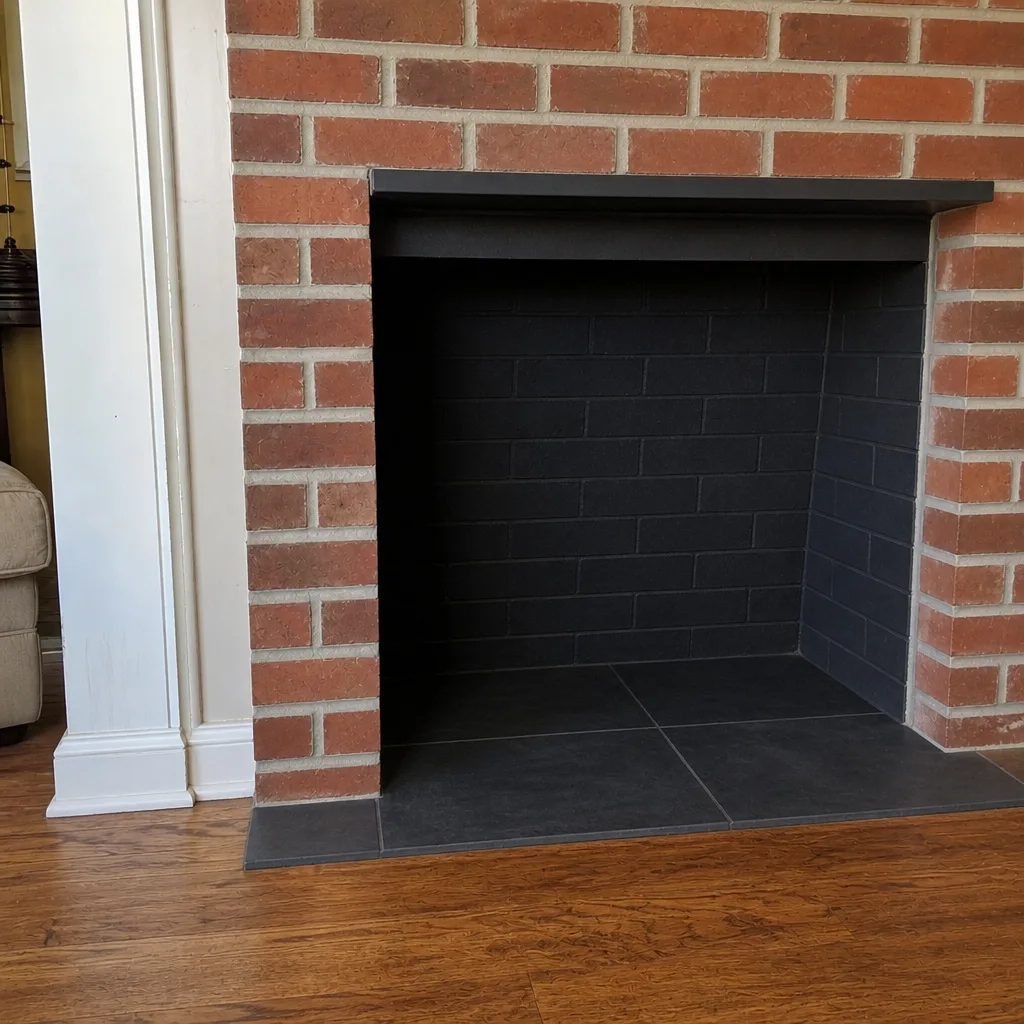
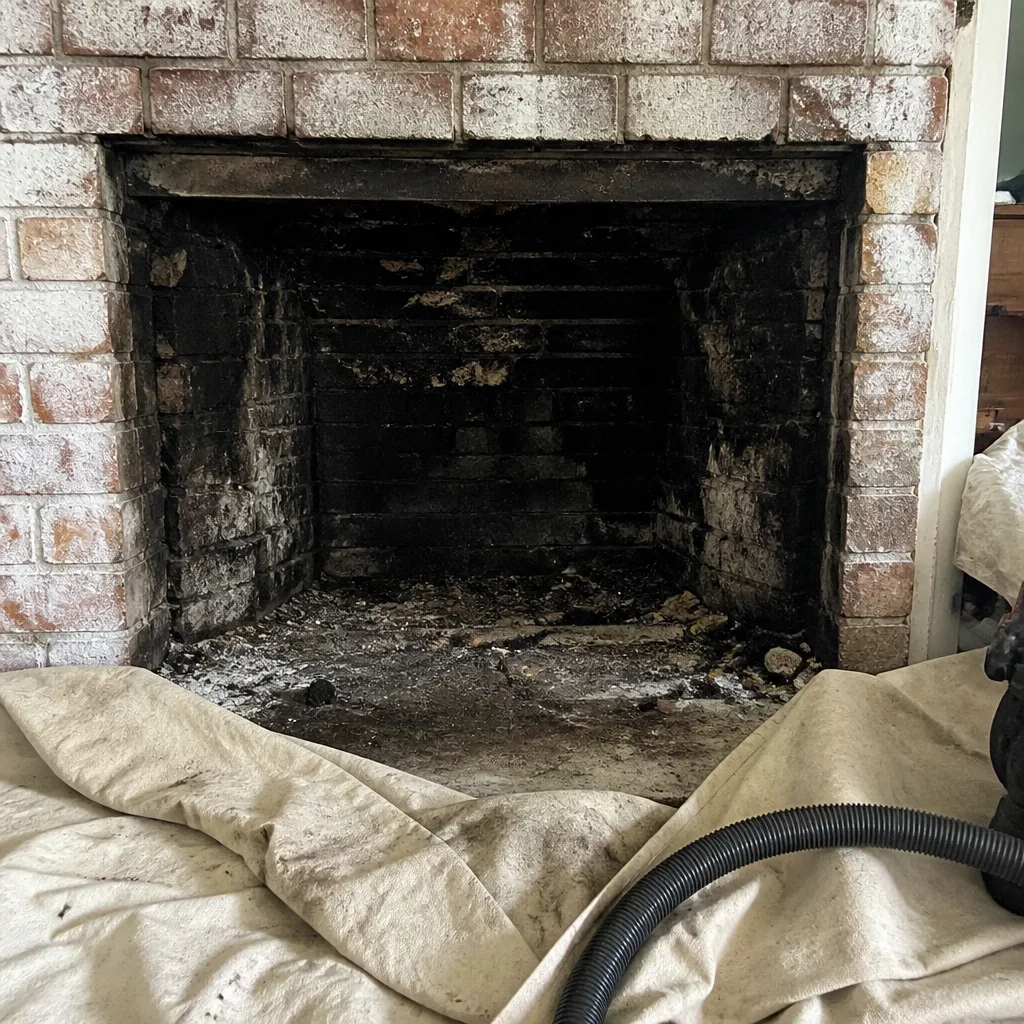
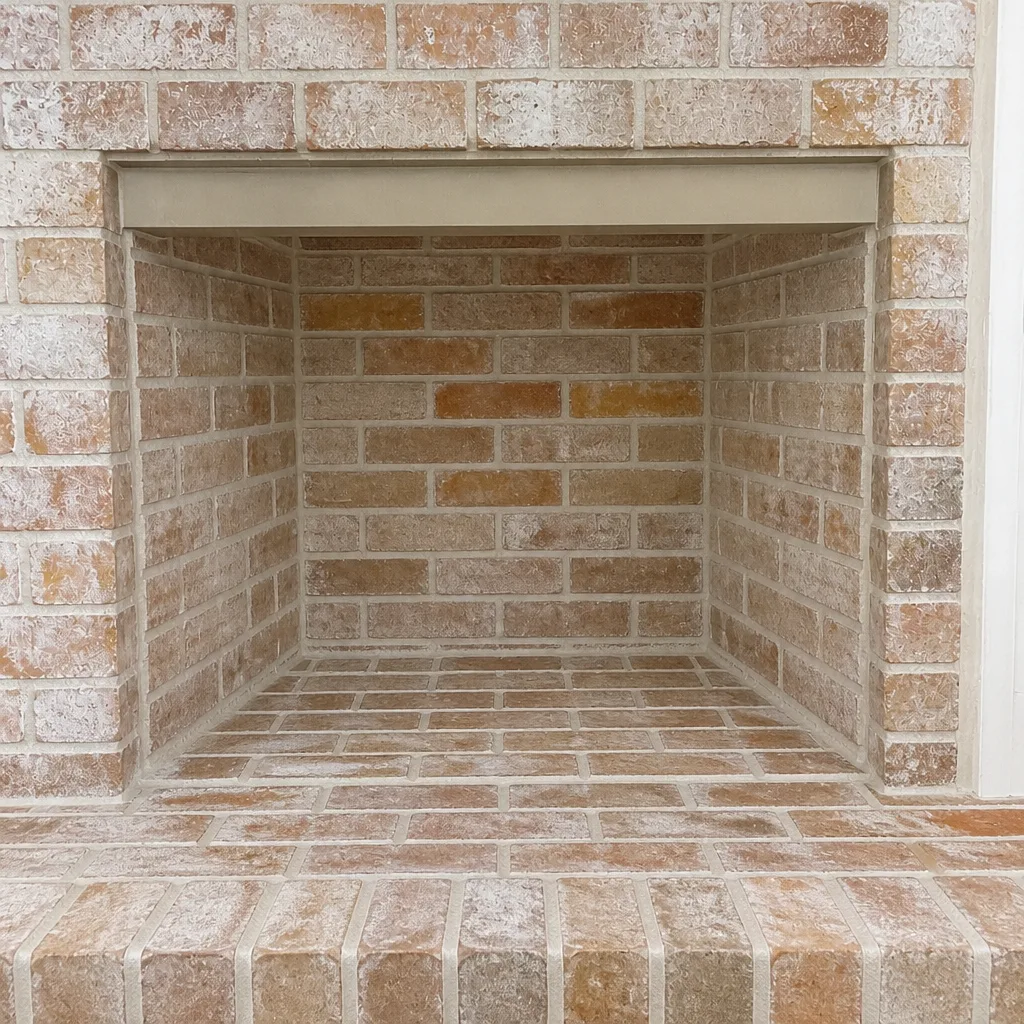
See the difference
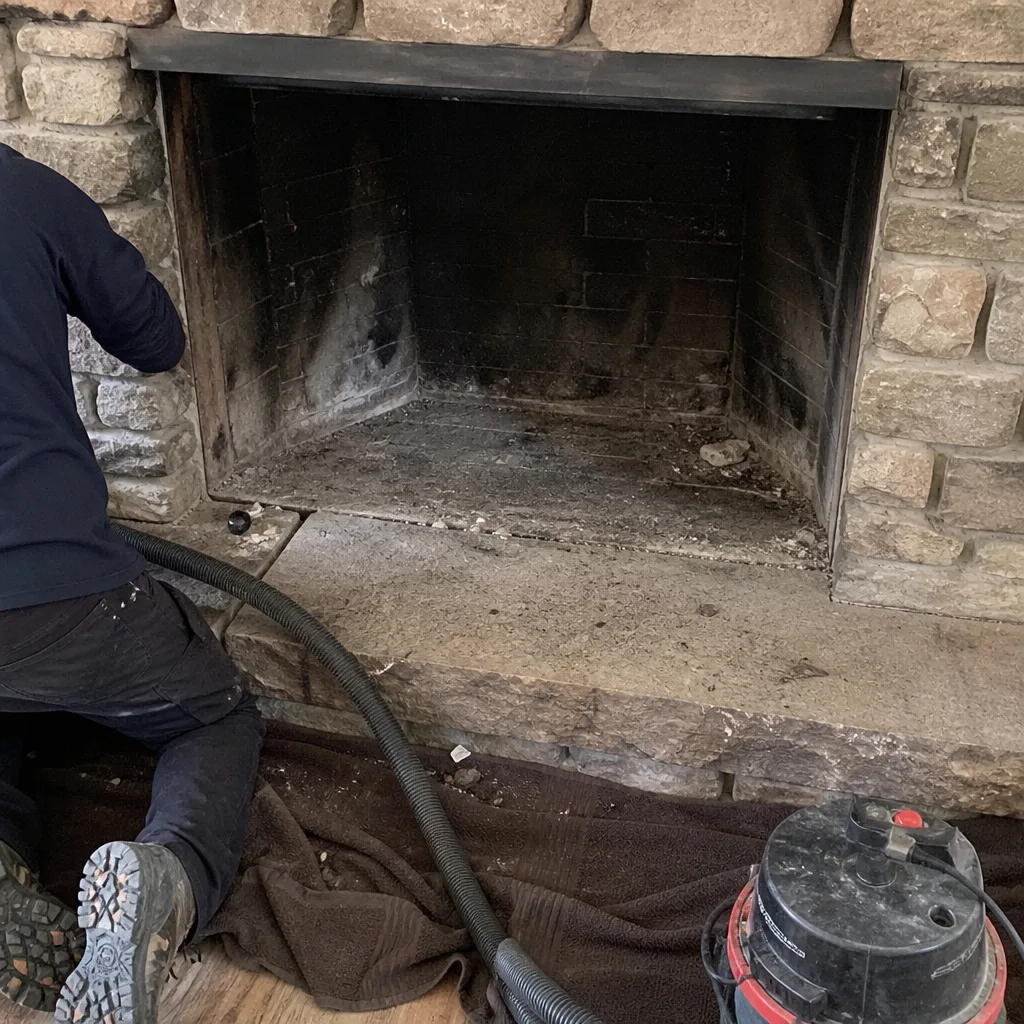 Before
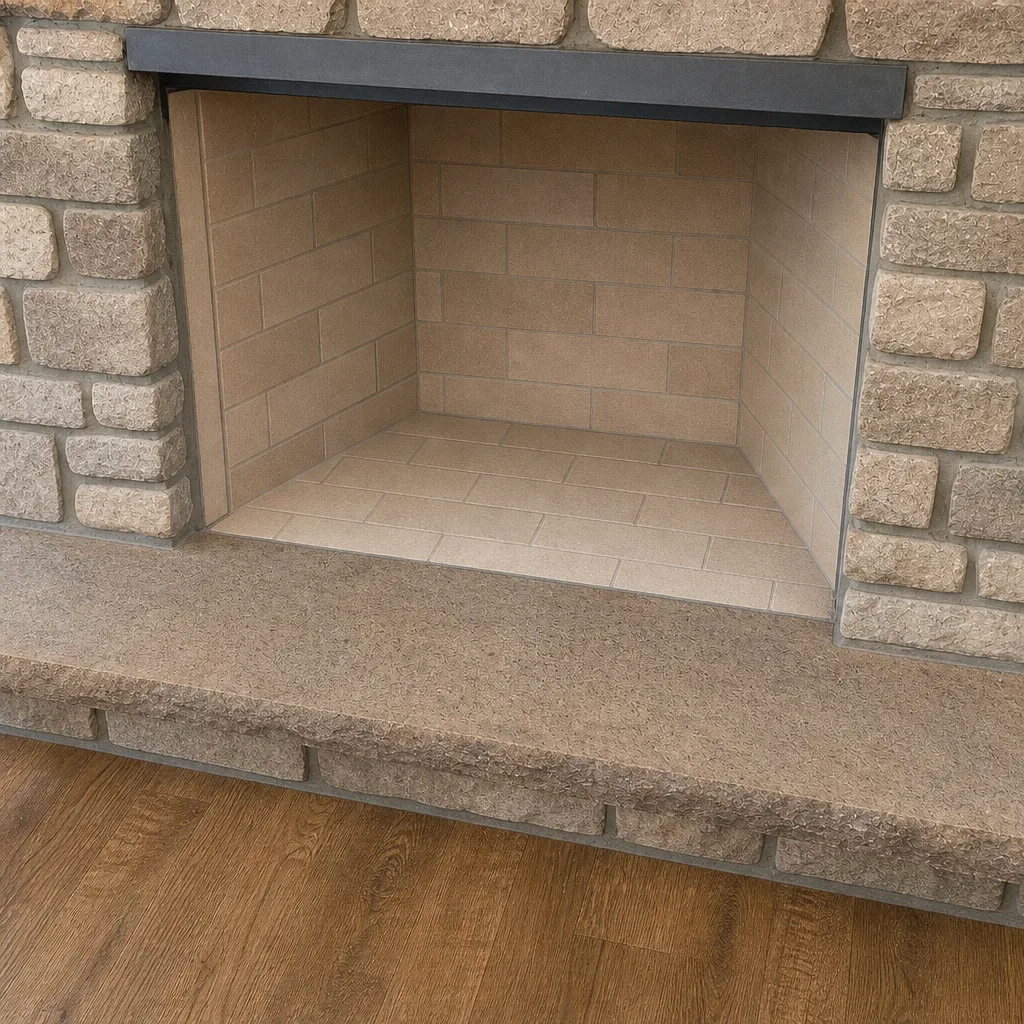 After
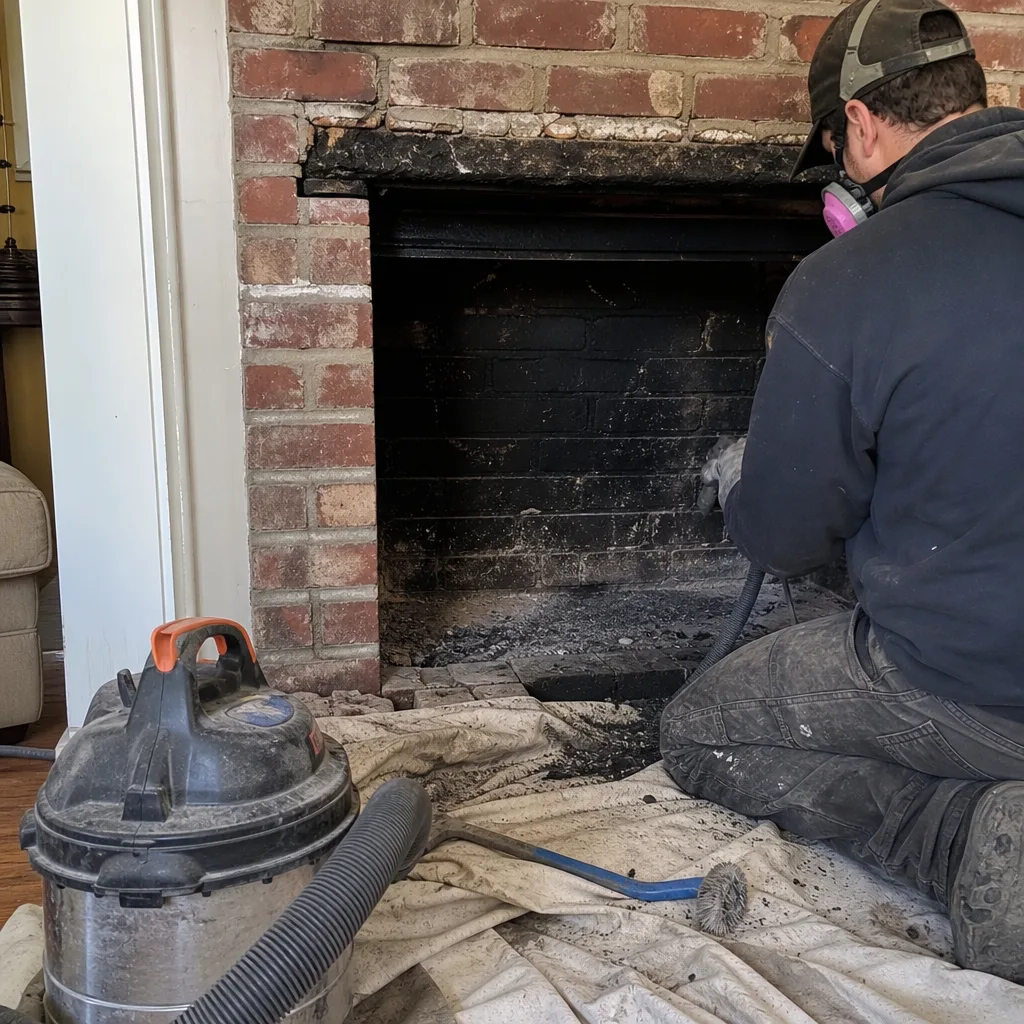 Before
 After
 Before
 After
When to Call a Professional
Call for a chimney cleaning in Cottonwood Heights when you don’t know the last cleaning date, when you burn more than three or four cords a season, when you’ve moved into a home and haven’t had the chimney inspected, or after any smoke spillage, back-puffing, or unusual smell from the firebox. Call after a chimney fire, even a small one. Call if your cap is missing, your crown has visible cracks, or you see water staining on the firebox interior. Call if the flue is older than roughly twenty years and might be a clay-tile liner that’s never had a camera inspection. Any of those situations is worth booking a sweep, and the sweep tells you what’s next.
Chimney Sweep Cottonwood Heights offers free estimates in Cottonwood Heights. Call (866) 589-3511.
Frequently Asked Questions
A chimney sweep in Cottonwood Heights is priced per job by a written estimate, which means the price reflects your specific flue, buildup level, and whether a Level 2 camera inspection is included. The estimate itself is free. Call (866) 589-3511 for an exact quote; estimates are free.
Not automatically. A damaged flue is often a candidate for HeatShield resurfacing, which casts a new insulated surface inside the existing liner and can extend its life without full relining costs. A new liner is the right call only when the inspection shows the flue is beyond resurfacing. Ask to see the camera evidence before agreeing to either. Call (866) 589-3511 to book an inspection that will tell you which repair is actually needed.
Once a year is the minimum here, and more often if you burn four or more cords a season or have unseasoned wood. Elevation, cold starts, and inversion draft all speed up creosote formation compared to lower-elevation homes. Call (866) 589-3511 to schedule a sweep before the burning season.
Creosote builds stage by stage, and Stage 3 glazed creosote is the form that ignites. An uncleaned flue also traps moisture and creosote against the liner, which shortens its life. The risk isn’t a sudden event so much as a slow accumulation of conditions that make one more likely. Call (866) 589-3511 to get the flue cleared before another season goes on top of it.
A Level 1 is a visual check of accessible parts of the chimney during a routine sweep; a Level 2 adds a camera inspection of the full flue, smoke chamber, and crown, with documented findings. For most Cottonwood Heights homes, and especially for a home built before 2000 or one changing hands, a Level 2 is the right choice. Call (866) 589-3511 to book a Level 2.
Often the cap and crown repair are quoted after the inspection and scheduled as a follow-up, since the camera findings come first. One company handles the sweep, the inspection, and the repair, so there’s no second contractor to coordinate. We install Gelco caps and rebuild or resurface crowns. Call (866) 589-3511 for a free estimate on the repair.
The Bottom Line
Chimney cleaning in Cottonwood Heights is a specific job, not a generic one. Elevation reduces combustion efficiency, cold-start burning habits build creosote faster, inversion days slow the draft, and freeze-thaw cycles stress the masonry and crown. The result is that a routine annual sweep and a camera inspection together are the correct baseline, not the luxury tier. When a cleaning turn up a liner problem, HeatShield resurfacing or a DuraFlex reline can fix it, and Gelco caps and crown work protect it from the water that would otherwise undo the repair. One call covers the full chimney: Chimney Sweep Cottonwood Heights, chimney sweep, fireplace repair, chimney repair, and cap and crown services. Our technicians have up to 10 years of experience. Call (866) 589-3511 for a free estimate. We answer 24/7. Fast dispatch from 7am to 7pm, Sunday through Friday.
Written by the team at Chimney Sweep Cottonwood Heights.