
Last updated November 23, 2026
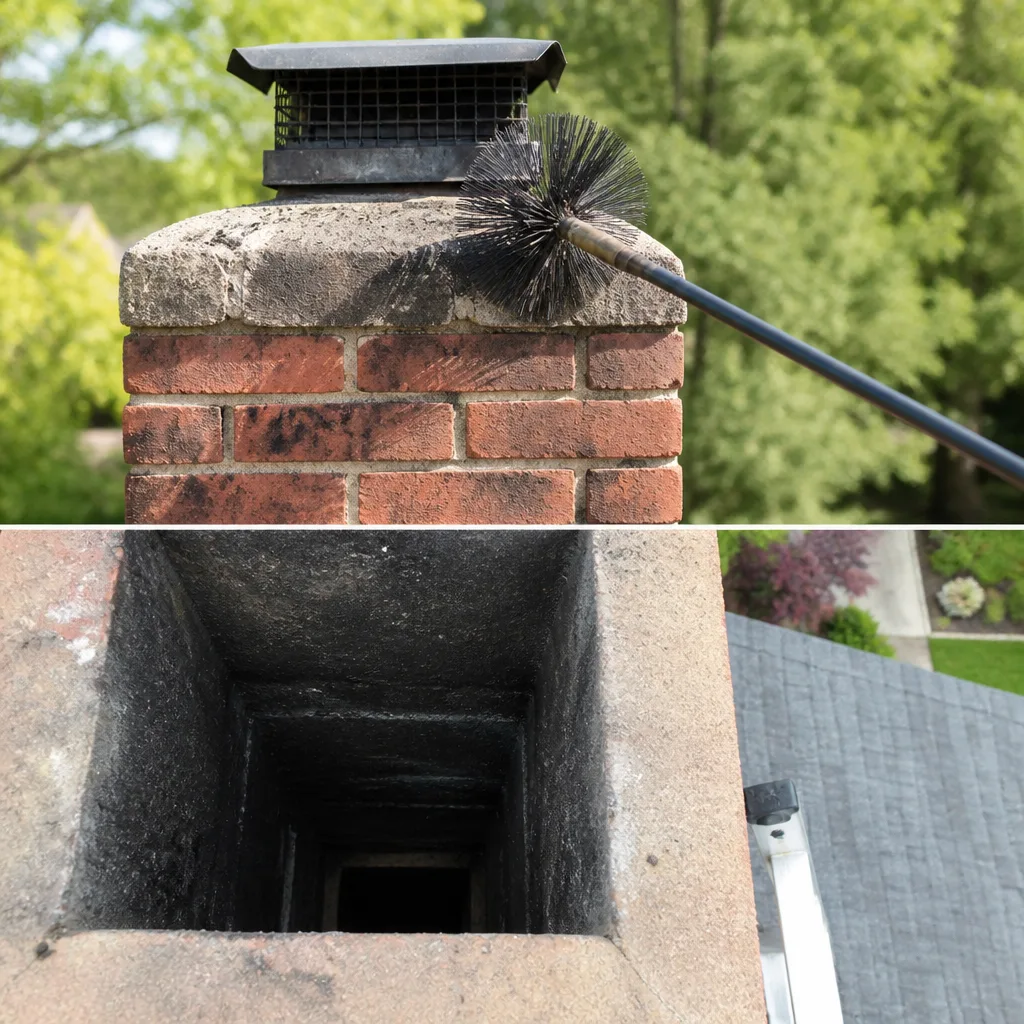 Sweep & inspection
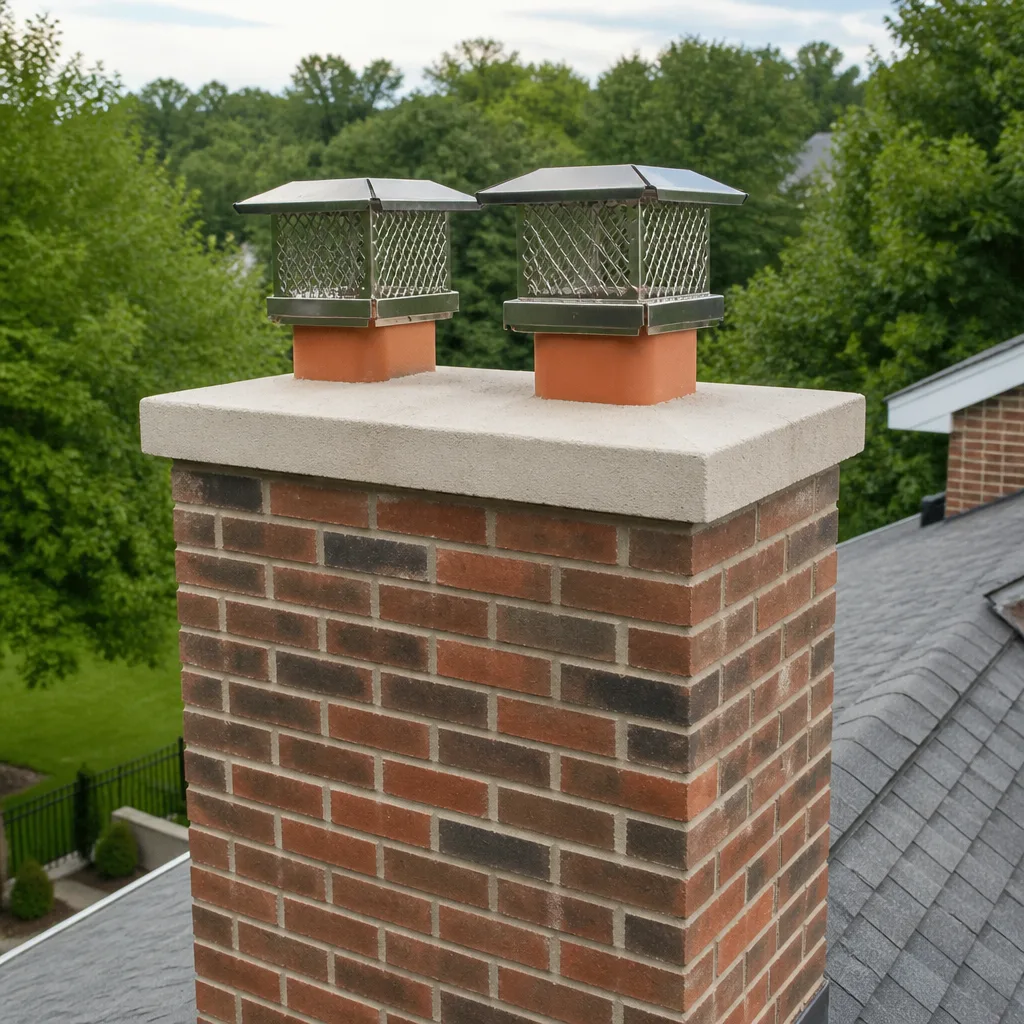 Caps & crowns
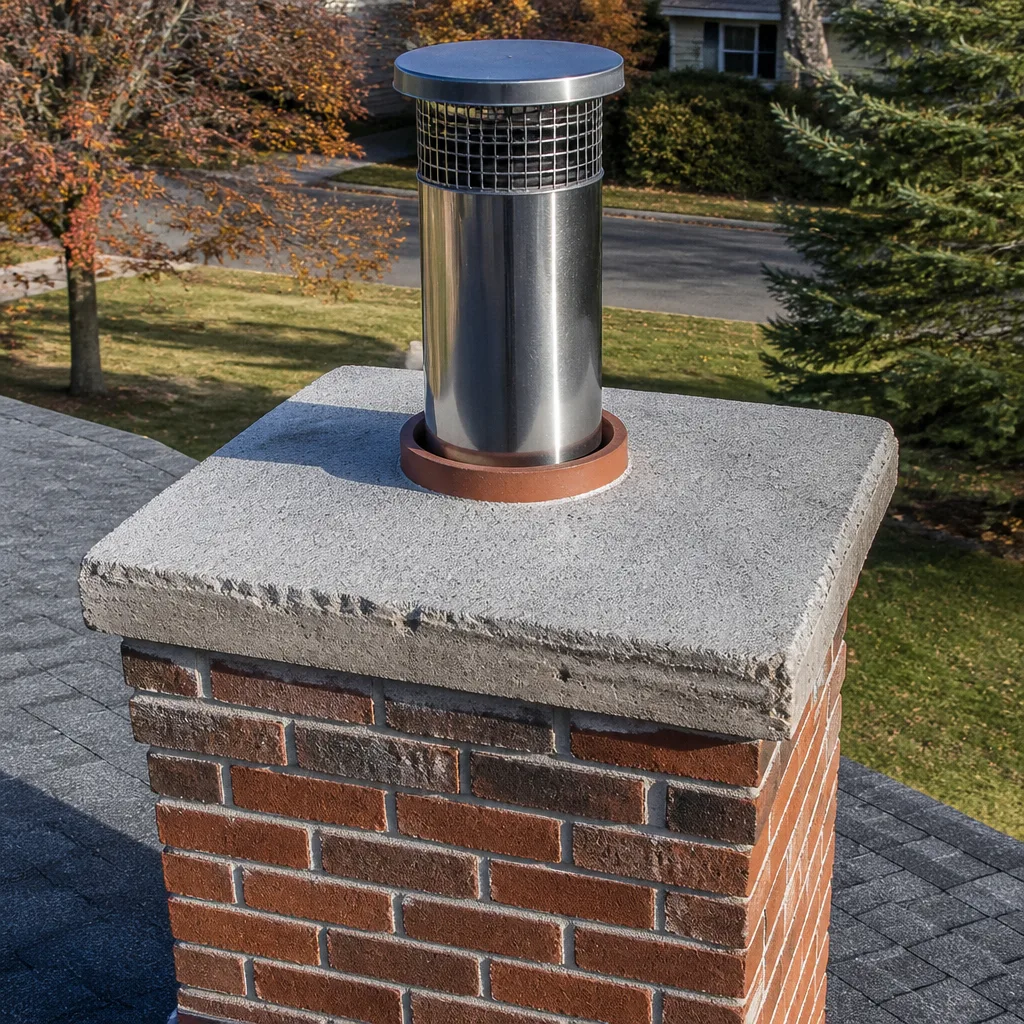 Flue relining
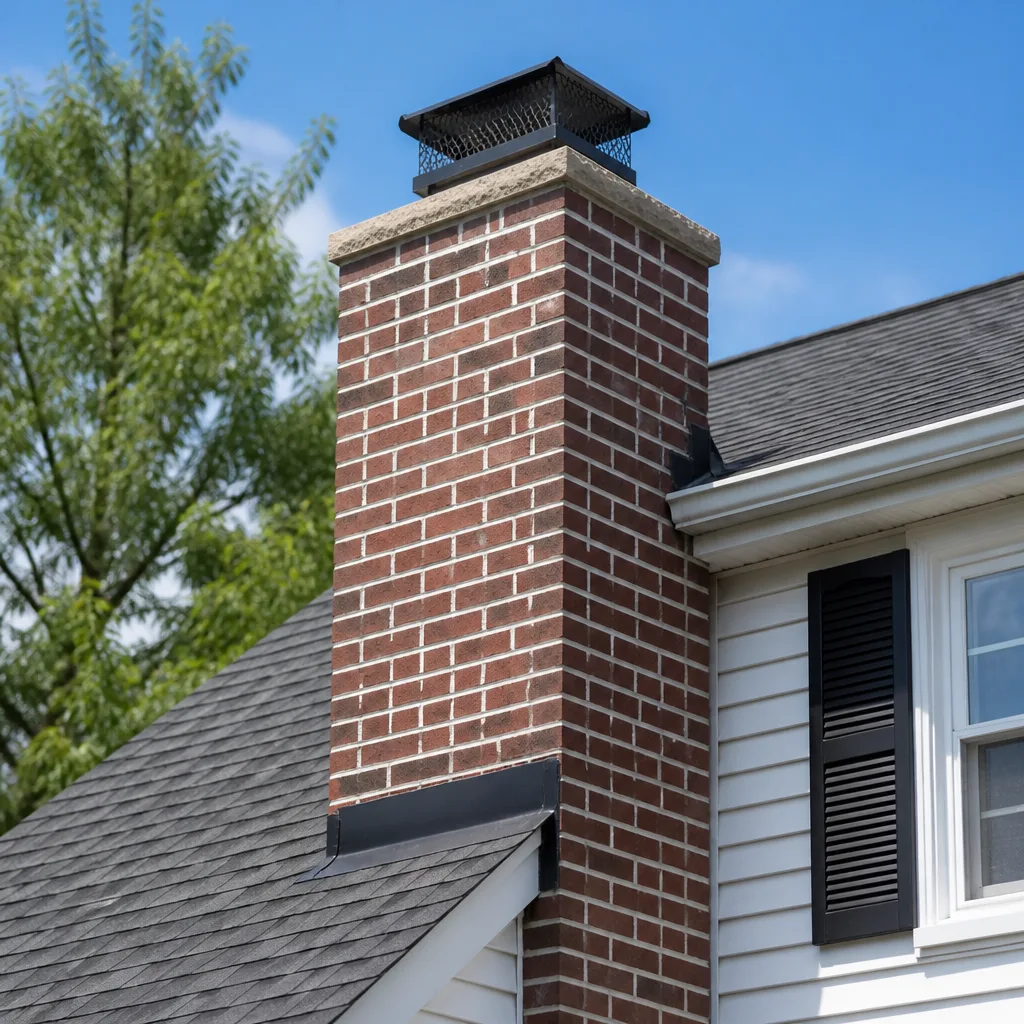 Masonry repair
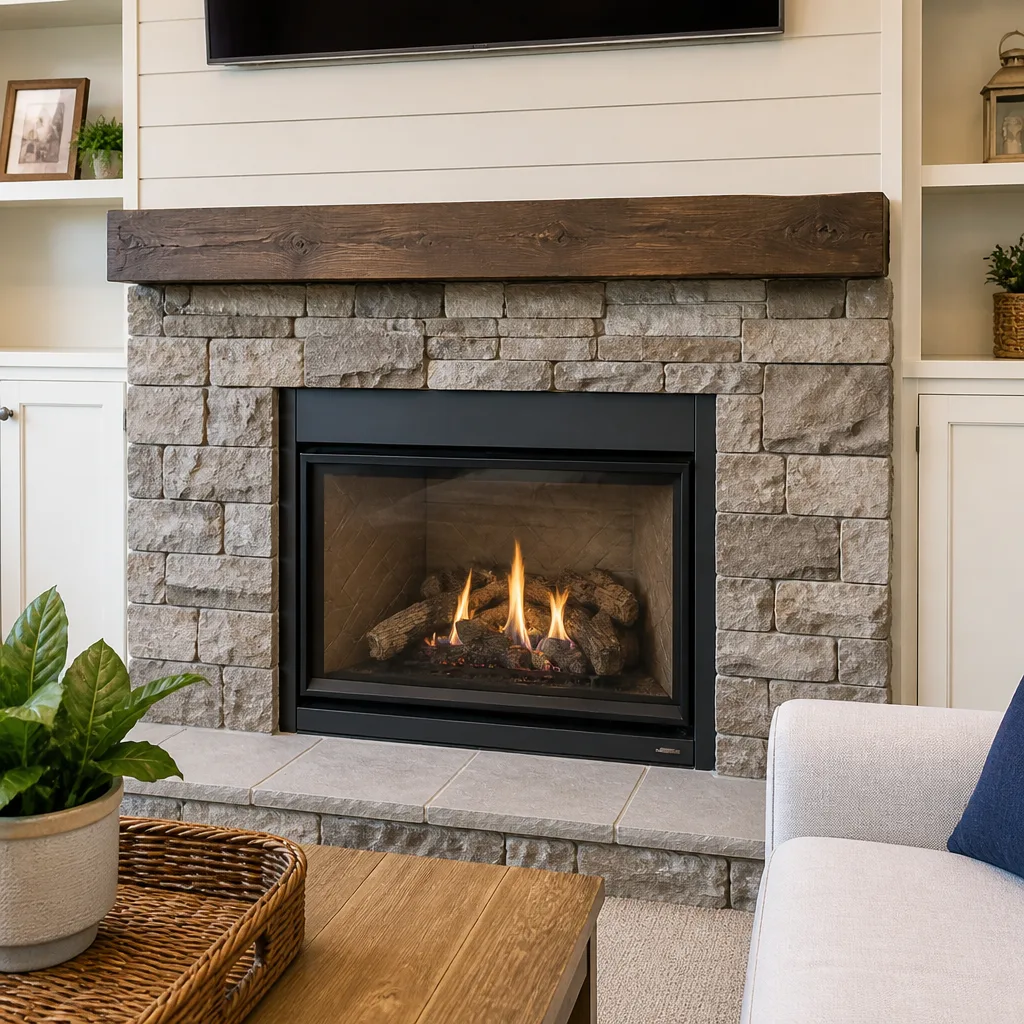 Gas fireplace service
Level 1 sweep and inspection to the NFPA 211 annual standard - flue, crown, cap, and flashing checked and photographed
Chimney sweep logs do not sweep chimneys. They loosen some creosote - which then falls where a brush and vacuum still have to collect it.
Choosing the Right Chimney Cleaning Brand: A Buyer’s Guide for Cottonwood Heights
Two chimney crowns installed on the same street can have a 15-year service-life difference based entirely on whether the technician used a proper elastomeric crown coating or a hardware store hydraulic mix. Most homeowners never know which one they got. The materials a chimney company chooses tell you more about their actual standards than any marketing line ever will, and in Cottonwood Heights those choices matter within two to three seasons, not fifteen. This guide explains which professional product lines signal a serious contractor, how to evaluate the answer when you ask what they use, and why freeze-thaw cycling along the benches above the valley punishes cheap crown coatings faster than almost anywhere else in Utah.
Quick Answer
The right chimney cleaning brand for a Cottonwood Heights home is one that uses professional-grade materials from manufacturers like HeatShield, DuraFlex, Gelco, Olympia Chimney, and Famco, and can explain exactly why each product fits your chimney. A company that answers “we use professional grade” without naming a brand, a product, or a warranty is telling you the materials are sourced by whoever is cheapest that week. Ask the question before you book, and you’ll know within one conversation whether the sweep and eventual repairs rest on durable materials or commodity ones.
Styles & brands we work with
- Sweep & inspection
- Caps & crowns
- Flue relining
- Masonry repair
- Gas fireplace service
Table of Contents
- Why chimney product brands matter more than marketing claims
- The professional product lines that signal a serious contractor
- How to ask what products a contractor uses
- Why product selection matters in Cottonwood Heights
- A minimum-code cap vs. one engineered for canyon wind
- How to verify manufacturer warranties and documentation
- What a diagnostic inspection should tell you
- Red flags when you talk to a chimney company
Why Chimney Product Brands Matter More Than Marketing Claims
Every chimney company says they do quality work. Every one of them will tell you they stand behind what they install. The words are free, and they mean nothing until you look at what actually gets installed in your flue, on your crown, and over your flue opening. Materials are the one part of the conversation you can verify after the fact, and they’re the part that determines how long the work lasts.
Here’s the split in practical terms. A commodity crown patch from a home improvement store can crack apart within a single winter of freeze-thaw cycling in Cottonwood Heights. A professionally specified elastomeric crown coating can hold for a decade or more on the same chimney. The labor to install both is close to identical. The difference is entirely in the material decision, and that decision is made in a warehouse long before a technician gets on your roof.
What makes brand selection a trustworthy signal is that it’s expensive and deliberate. A company has to choose to stock professional lines, train on their application, and hold the relationship that keeps the products coming. They can’t fake that for a phone call. When a Cottonwood Heights homeowner asks what liner system we use, the answer tells them about our training, our supplier relationships, and how we think about the ten years after we leave the driveway.
Brands aren’t the whole story, of course. Installation quality matters just as much. A HeatShield flue repair done badly is worse than no repair at all, because it hides the original problem. But you can’t evaluate installation quality in advance, and you can evaluate material choices in advance. Start with the brand question, then listen for the details.
The Professional Product Lines That Signal a Serious Contractor
The chimney trade has a set of recognized professional product lines. When a contractor names them in normal conversation, they’re describing the categories of work they actually do and how seriously they take each one. When they name none of them, they’re telling you the work is done from whatever a general hardware shelf has on hand that morning. Here’s what each product line covers and why it matters.
- HeatShield liner resurfacing. HeatShield is a castable refractory coating applied to the inside of a damaged flue. It resurfaced the original clay tile without removing it, which lets a technician restore a cracked flue liner at a lower cost than a full stainless reline. For a Cottonwood Heights home with a largely intact clay liner and localized cracking, HeatShield can extend the liner’s life without going to the more expensive repair. Not every liner is a HeatShield candidate, but if a company can’t offer it, they can only propose the full reline, whether or not that’s what your flue actually needs.
- DuraFlex stainless liner systems. DuraFlex is a flexible stainless chimney liner used to reline a flue that has failed or that needs an appropriate flue for a gas or wood appliance. Stainless liners are the standard repair for a compromised clay flue, and DuraFlex is one of the recognized systems in the category.
- Gelco crown coatings. Gelco is an elastomeric crown repair and coating product designed for the chimney crown, the flat cap of masonry at the top. A properly applied Gelco coating spreads with the masonry, seals small cracks, and stays flexible through the winter. It’s the difference between a crown that survives freeze-thaw cycling and one that cracks apart within a season or two.
- Olympia Chimney components. Olympia supplies a range of chimney components, including caps and venting pieces. Professional components from Olympia are built to handle wind load and weather exposure that a generic cap will not.
- Famco venting products. Famco is a venting line used for gas and wood appliance installations. If a company’s repairs touch venting, Famco products are among the reputable options.
- Rockwool insulation. Rockwool is used to insulate around a chimney and off the liner as a fire-blocking material. It matters when an appliance install requires clearance wrapping or insulation, and it’s a sign the contractor thinks through the full installation, not just the visible parts.
You don’t need all six product lines to trust a contractor. But you do want to hear specific product names from more than one category. A company that only names sweep equipment and no liner or crown product isn’t a liner or crown contractor. They’re a sweep service that will refer you elsewhere when things get structural.
How to Ask What Products a Contractor Uses
The right question is a direct one: “What specific products will you use on my chimney, and why those?” The answer is more informative than the question suggests. Here is a simple sequence you can run during the first phone call or estimate.
- Ask what product they’d use for the specific repair. If the answer is “a repair kit,” “professional grade,” or “the best material available,” that’s a non-answer. If the answer names a product line like HeatShield or Gelco, ask why that product fits your chimney.
- Ask for the manufacturer. Product lines come from specific manufacturers. A contractor who knows the products knows the manufacturers without looking them up.
- Ask about the warranty on the product. Manufacturer warranties are separate from any contractor workmanship warranty, and a serious contractor can tell you both. If they can’t name the product, they can’t tell you the warranty.
- Ask what documentation you’ll receive after the work. Receipts listing the product, installation date, and warranty terms are the difference between being able to claim on the warranty later and not.
- Ask whether the inspection will be diagnostic. A sweep and a diagnostic inspection are different services, and the second tells you what the products are actually being asked to solve.
Listen for vagueness. “Professional grade” isn’t a brand. “We use the best” isn’t a brand. Even “we use a liner” is meaningless if they can’t name the manufacturer. A Cottonwood Heights homeowner asking these questions is one who won’t be surprised a year from now by a cracked crown or a failed liner repair, because the materials were named, documented, and warranted up front.
If you’ve booked a sweep and want a full picture of what the technician is evaluating while they’re on site, the process is described in more detail on our chimney sweep page.
Why Product Selection Matters in Cottonwood Heights
Cottonwood Heights sits on a bench above the Salt Lake Valley, at the mouth of Big and Little Cottonwood Canyons. That location creates a specific set of demands on a chimney that most of the country never sees in combination. Freeze-thaw cycling is the biggest one. Water gets into the masonry, freezes overnight, expands, thaws during the day, contracts, and repeats. Each cycle widens a hairline crack into a visible one, and each winter does a full season of that work.
Cheap crown coatings and quick patch materials don’t flex with that cycle. They crack, water finds the crack, and by the second or third season you’re looking at a repaired crown that’s failing faster than the original did. A properly applied Gelco elastomeric coating, by contrast, is designed to flex with the masonry as it moves. The coating cost is not the deciding factor in a Cottonwood Heights chimney repair; the material specification is.
Canyon wind is the second local demand. The mouths of both Cottonwood Canyons funnel wind down onto the neighborhoods below, and canyon wind is not gentle. Cheap chimney caps lift, bend, and eventually blow loose, and a cap sitting off its flue is a direct path for water and birds into a chimney that was fine last season. A cap engineered for high-wind exposure stays on. A minimum-code cap often does not.
Colder canyon-fed air pushing into the valley on winter evenings also increases draft demand. A well-sealed, properly sized liner handles that pressure more predictably than a compromised flue. The point isn’t that Cottonwood Heights is uniquely harsh; it’s that the marginal material decision wears out faster here than it would in a milder climate. The difference between a professional product line and a commodity substitute shows up within two to three seasons, not fifteen.
A Minimum-Code Cap vs. One Engineered for Canyon Wind
A chimney cap meets minimum code when it keeps out rain and animals at the time of inspection. That’s a low bar. A cap engineered for high-wind exposure is doing more: it’s fastened so the wind loads from canyon gusts can’t lift or distort it, and the fit is tight enough that it doesn’t become a whistle or a rattle. In Cottonwood Heights, that engineering distance is the difference between a cap that’s still on the chimney after a windy season and one that isn’t.
What to look for when you evaluate what gets installed on your flue:
- Fastening method. Screw-in fastening into the flue or crown, not just a friction fit that high wind can defeat.
- Gauge and construction of the cap top. Thin sheet metal distorts under wind pressure. Heavier construction holds its shape.
- Correct sizing for your flue. An oversized cap has more surface area to catch wind; an undersized cap lets water past the edge.
- Manufacturer. A product from a recognized chimney manufacturer like Olympia Chimney is designed for the application. A generic hardware store cap is often adequate for a mild climate and under-built for this one.
- Clearance around the flue. The cap needs the right airflow clearance or it restricts draft.
The crown, meanwhile, is the flat masonry top of the chimney, and it’s the primary entry point for water. A properly applied coating or replacement crown sheds water away from the flue and the masonry, and it’s the single highest-leverage piece of moisture protection on a chimney in this climate. A company that treats cap and crown work as an afterthought and one that treats it as the structural anchor of chimney health are two very different contractors. When we evaluate a chimney during inspection, the crown and cap are the first things we look at, because they’re what keeps everything below them dry enough to last. You can read more about how we approach repair work on the chimney repair page.
How to Verify Manufacturer Warranties and Documentation
Professional products come with manufacturer warranties, and the warranty is only as useful as the paperwork you can produce in five years if something goes wrong. A short process prevents the common gap where a product warranty exists but can’t be claimed because there’s no record of the product or the date it was installed.
- Ask in advance what the product warranty covers. Long-term warranty can attach to a liner or a crown coating. Short-term warranties typically cover defects that would show up immediately.
- Confirm the installation supports the warranty. A manufacturer warranty often requires installation by a trained installer following the manufacturer’s instructions. Ask whether the contractor’s installation qualifies.
- Request a written product list in your estimate. The estimate should name the product, not just the service. “Liner installation, $X” doesn’t tell you what’s being installed; “DuraFlex liner installation, 6-inch, manufacturer warranty per DuraFlex terms” does.
- Collect the manufacturer documentation after the work. Product receipts, warranty cards where applicable, and the contractor’s own workmanship documentation all belong in your file. Ask for them as part of the job.
- Keep the diagnostic inspection report with the product records. The inspection documents what problem the product was solving, which matters if a warranty claim ever needs context.
If a contractor hesitates on any of these points, that’s the answer to your question: they can’t produce the documentation because they don’t have the product trail. A company that uses professional-grade materials has a paper trail by default, because that’s how the manufacturer relationship works.
What a Diagnostic Inspection Should Tell You
A chimney inspection produces useful findings or it produces a checkbox. A diagnostic inspection tells you the condition of the flue, the crown, the cap, the firebox, and the visible venting, and then ties each finding to a recommended next step. It’s not just “looks fine” and it’s not “you need everything replaced.” It’s a list of specific conditions with specific repairs.
Findings should be specific and matched to the right product category. A hairline crack in a clay flue tile is a possible HeatShield resurfacing candidate. A failed flue with widespread cracking is more likely a DuraFlex stainless liner. A cracked crown is a Gelco coating or a crown replacement, depending on severity. A loose cap is a cap replacement with the right wind rating for the neighborhood. Each of those is a different product, and a diagnostic inspection separates them instead of lumping them into one recommendation.
Because your inspection reports should be actionable, we also make a point of telling you when work can wait. Not every finding is urgent. A small crack that’s stable can be monitored for a season while the immediate safety items are handled. The parts of the chimney that actually protect your household are the flue and the venting, and those come first when inspection finds a condition that affects them.
A thorough inspection also produces a photo or written record of what was found, which is what makes warranty documentation useful later. If you’ve ever scheduled a sweep and wondered whether the same visit can produce a full condition report, the answer is yes; you can book a combined sweep and inspection through our Chimney Sweep Cottonwood Heights service. Our technicians have up to 10 years of experience reading exactly these findings on Cottonwood Heights chimneys.
Red Flags When You Talk to a Chimney Company
Most of the chimney-brand problem is caught in the first conversation, if you know what to listen for. The red flags aren’t always dishonest contractors; sometimes they’re honest sweep companies who simply don’t do the structural work and can’t take responsibility for it. Either way, the homeowner ends up paying twice, or ending up with a repair that doesn’t hold.
- No brand names in any answer. If you ask about materials and the answer never contains a product name, that’s the whole picture.
- “Professional grade” used as a placeholder. That phrase is a category, not a product. It tells you nothing verifiable.
- Recommendation without explanation. A recommendation to reline should be attached to a described condition in your flue. If it isn’t, ask why.
- Warranty questions deflected. “Don’t worry about the warranty” is a warning, not a reassurance.
- No written product list on the estimate. The estimate can be a lump-sum service; it shouldn’t be a lump-sum material.
- Cap and crown treated as an add-on. In Cottonwood Heights, they’re primary structural items, not a line item at the bottom of the invoice.
- No documentation after the job. A serious contractor hands you a record of what was installed and when.
Common Mistakes to Avoid
- Booking on price alone. The lowest sweep quote often reflects commodity materials and a narrower scope later. In Cottonwood Heights, the first winter after a cheap crown repair tells you what the savings actually bought.
- Assuming a sweep includes inspection. A sweep cleans the flue; an inspection diagnoses it. Ask which service you’re getting and whether the second is available.
- Skipping the cap because the flue was just cleaned. A clean flue with an open flue top becomes a wet flue within a few storms. Cap and sweep are separate decisions.
- Accepting a reline quote without a described condition. HeatShield resurfacing can solve some of the problems that get quoted as a full reline. Ask what condition on your flue the reline is addressing.
- Not keeping the paper trail. Manufacturer warranty documents, product receipts, and inspection reports all belong in a single file. Losing them costs you leverage later.
- Judging a company by the salesperson. The names of the products and the paperwork trail are better evidence than a friendly presentation.
- Waiting until the odor in August is unmistakable. Cottonwood Heights summers are dry, and a chimney that hasn’t been checked since the previous winter has had a full year for any moisture issue to develop.
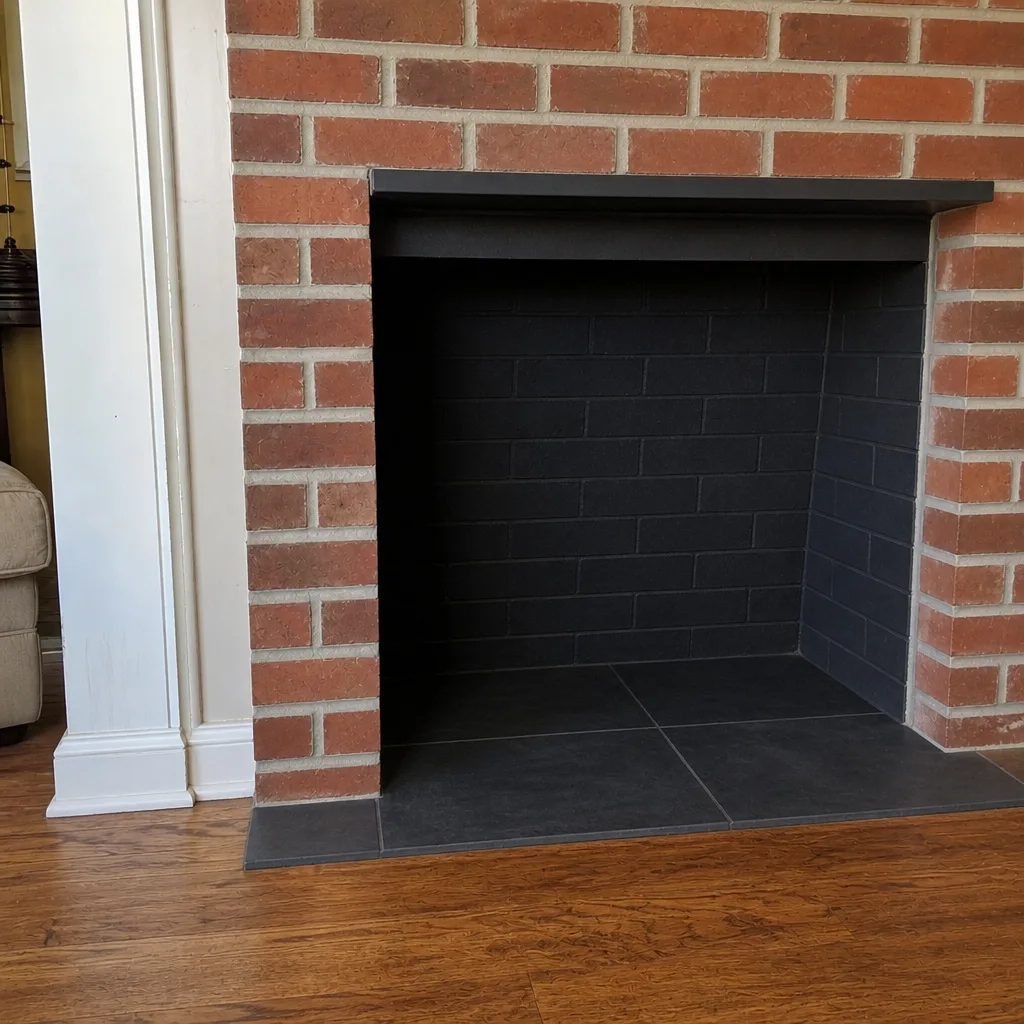
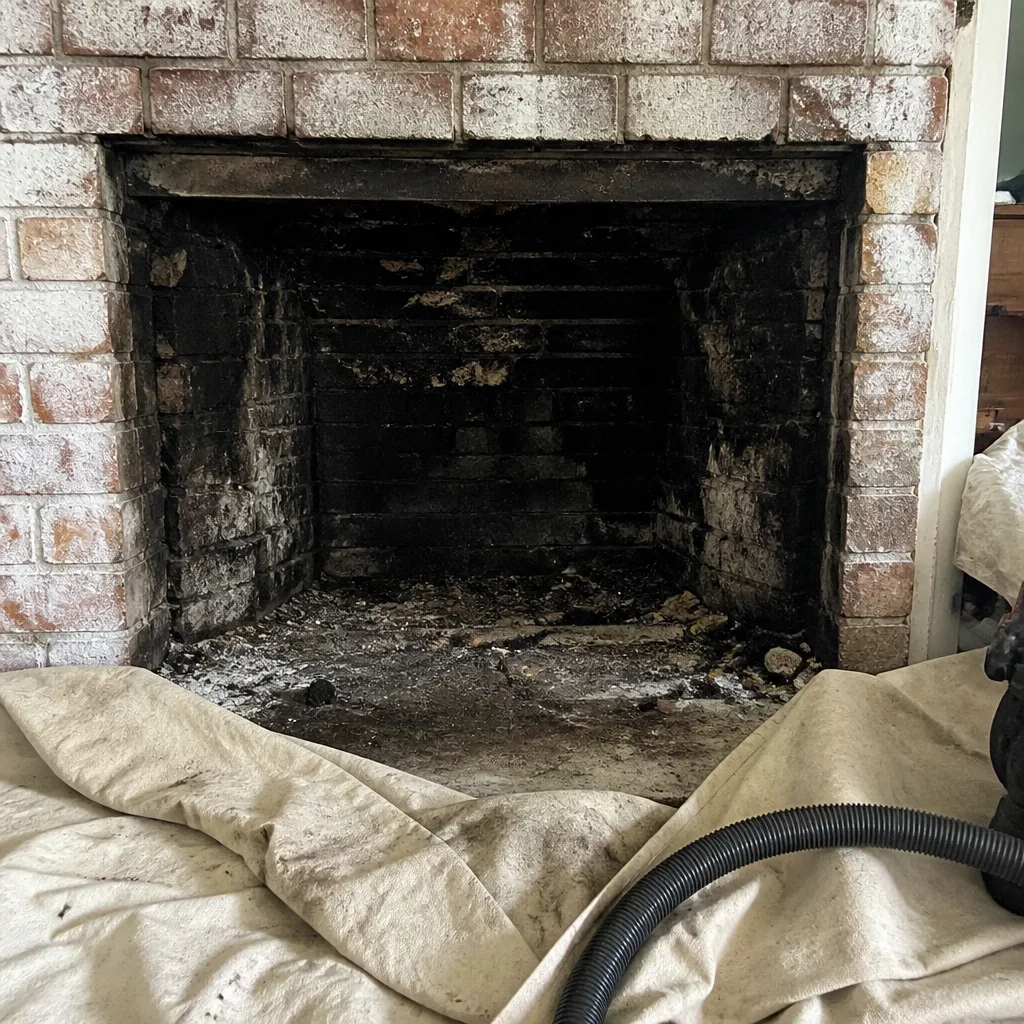
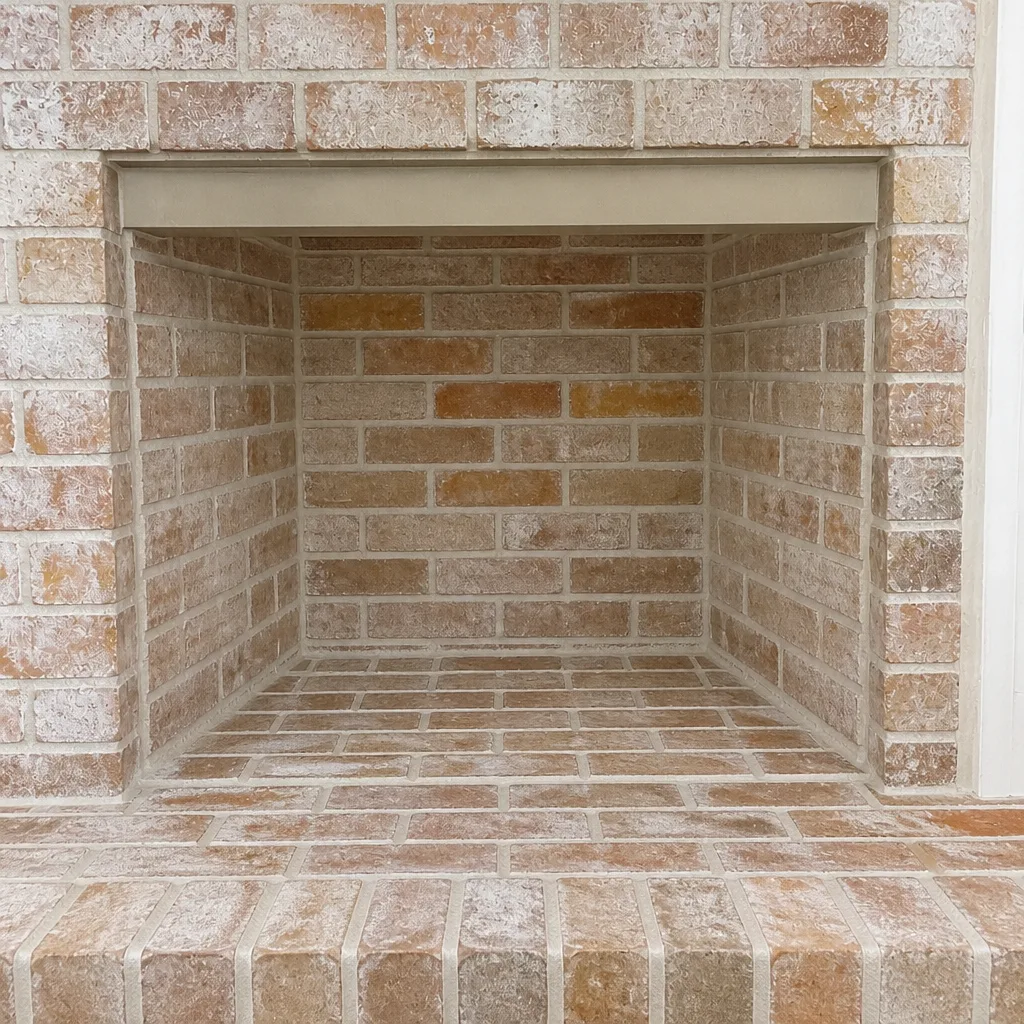
See the difference
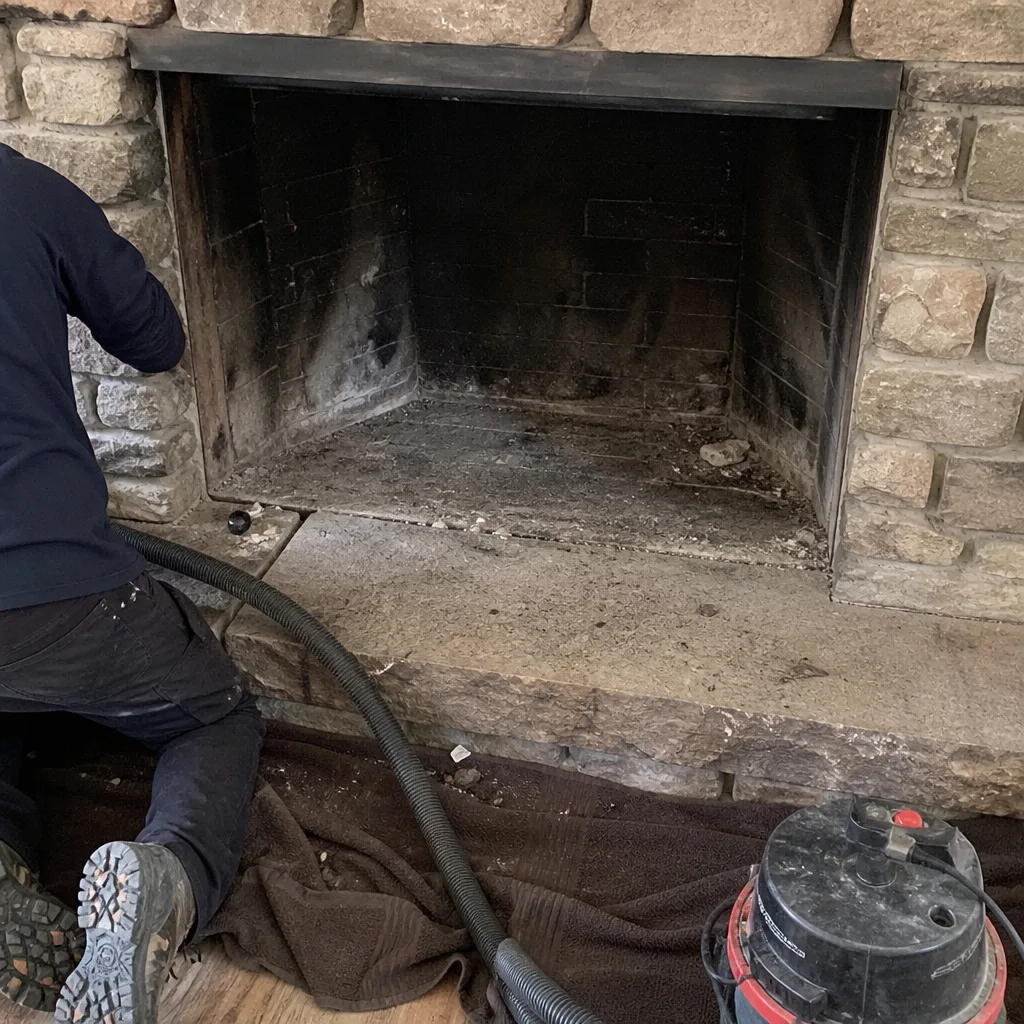 Before
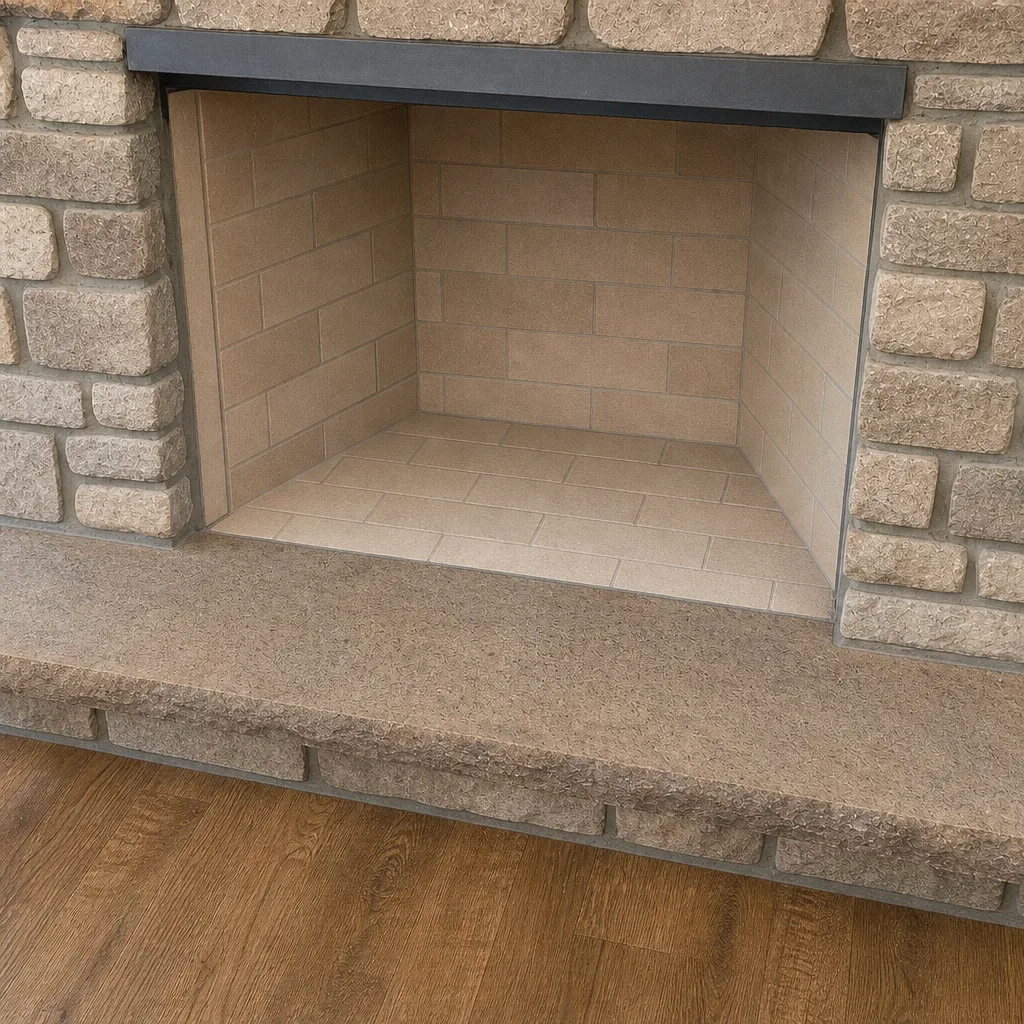 After
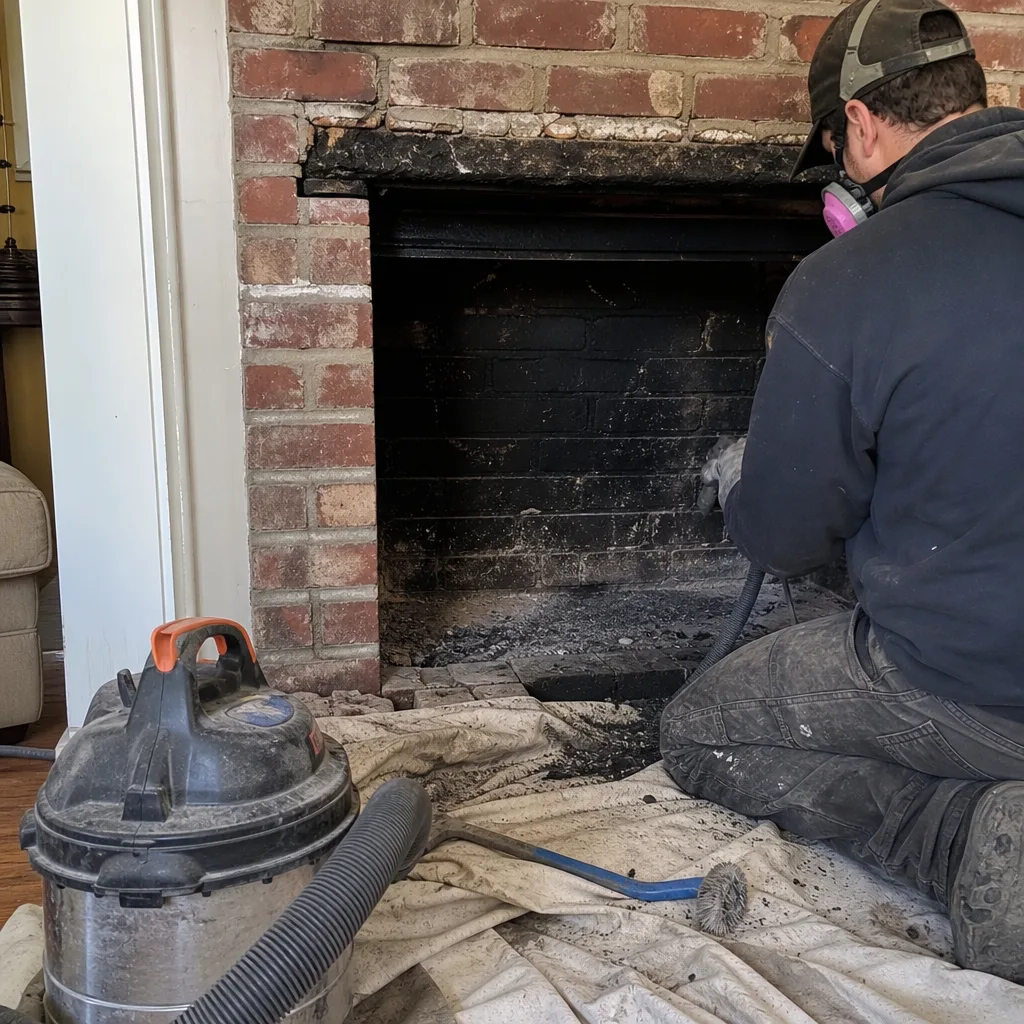 Before
 After
 Before
 After
When to Call a Professional
Some chimney conditions call for a technician rather than a homeowner with a flashlight. If you smell a strong creosote or smoky odor in warm weather, that’s a sign of a restricted or dirty flue and it wants a look from the top and bottom. If you see cracked or missing mortar at the crown or on the chimney exterior, moisture is getting in and the fix is product-specific. If a cap is missing or visibly bent, it’s above safe reach and needs a proper replacement. If the firebox has cracked, that’s structural. If you’re noticing backdraft, soot staining at the fireplace opening, or draft problems when the appliance isn’t lit, those are diagnostic problems that should be assessed by a technician rather than chased with an adjustable vent. And if you’ve never had the chimney inspected and you’re burning wood or gas through the winter, that’s the simplest reason to get on a schedule. Chimney Sweep Cottonwood Heights offers free estimates in Cottonwood Heights. Call (866) 589-3511 to book a sweep and inspection.
Frequently Asked Questions
It refers to the professional product lines a chimney company uses for its repair work, separate from the act of sweeping. The recognizable brands in the trade include HeatShield for flue resurfacing, DuraFlex for stainless liners, Gelco for crown coatings, Olympia Chimney for components, and Famco for venting. The brand mix tells you what kind of repairs a company can execute onsite and what kind of materials you’ll get on your chimney. Call (866) 589-3511 for a free estimate.
The crown coating and the cap matter most here, because Cottonwood Heights’ freeze-thaw cycles and canyon wind stress those two components harder than the rest of the chimney. Gelco crown coating flexes with the masonry, and an Olympia cap is engineered for wind exposure that a minimum-code cap won’t handle. The flue liner matters too, but its failure is usually quieter and slower than a failed crown or a lost cap. Call (866) 589-3511 to talk through what your chimney needs.
Ask for the product list before the work and the product documentation after it. The estimate should name the product, and the completed job should hand you the manufacturer’s warranty documentation and a receipt identifying what was installed. If neither of those arrives, the materials are a question mark. Our estimates name the products and we hand over the paperwork when the job closes out. Call (866) 589-3511 for an estimate.
Not always, and that’s the point of asking about it. HeatShield resurfacing restores a damaged clay flue from the inside when the existing liner is still structurally adequate. When a flue is failing more broadly, a DuraFlex stainless liner is the right answer. A technician who can offer both has a real choice to make; a contractor who only offers relining has a single answer to every liner problem. Call (866) 589-3511 and we’ll tell you which one fits your chimney.
Once a year is the baseline for a home that burns wood or gas regularly, and Cottonwood Heights homes benefit from that schedule because the winter stress here is real. A yearly sweep and inspection catches small crown and cap issues before the second winter widens them. If your chimney hasn’t been checked this year, that’s the reason to book. Visit our fireplace repair page if you’re seeing issues at the firebox or hearth. Call (866) 589-3511 for an estimate.
In Cottonwood Heights, yes, depending on exposure. A thin, friction-fit cap on a chimney near the canyon mouths is exposed to wind loads the product wasn’t built for, and one good wind event can lift or distort it. A cap that meets minimum code isn’t the same as a cap engineered for this wind environment. If your current cap is the cheapest model on the shelf, it’s worth asking whether it’s the right specification for the location. Call (866) 589-3511 to schedule a look.
The Bottom Line
The chimney product lines a Cottonwood Heights company uses tell you what they’re actually capable of doing, and they tell you the quality of the materials that will be on your chimney for the next decade. HeatShield, DuraFlex, Gelco, Olympia Chimney, and Famco are the names to listen for, and the absence of any of them in a contractor’s answer is a clearer signal than anything they could claim about quality. Ask the question, ask for the product list on the estimate, and ask for the manufacturer documentation when the job closes. Our technicians have up to 10 years of experience working with professional-grade materials on Cottonwood Heights chimneys, and one call covers the sweep, the inspection, and any repair or cap work your chimney needs.
Call (866) 589-3511 for a free estimate. We answer 24/7. Fast dispatch from 7am to 7pm, Sunday through Friday.
Written by the team at Chimney Sweep Cottonwood Heights.