
Last updated November 23, 2026
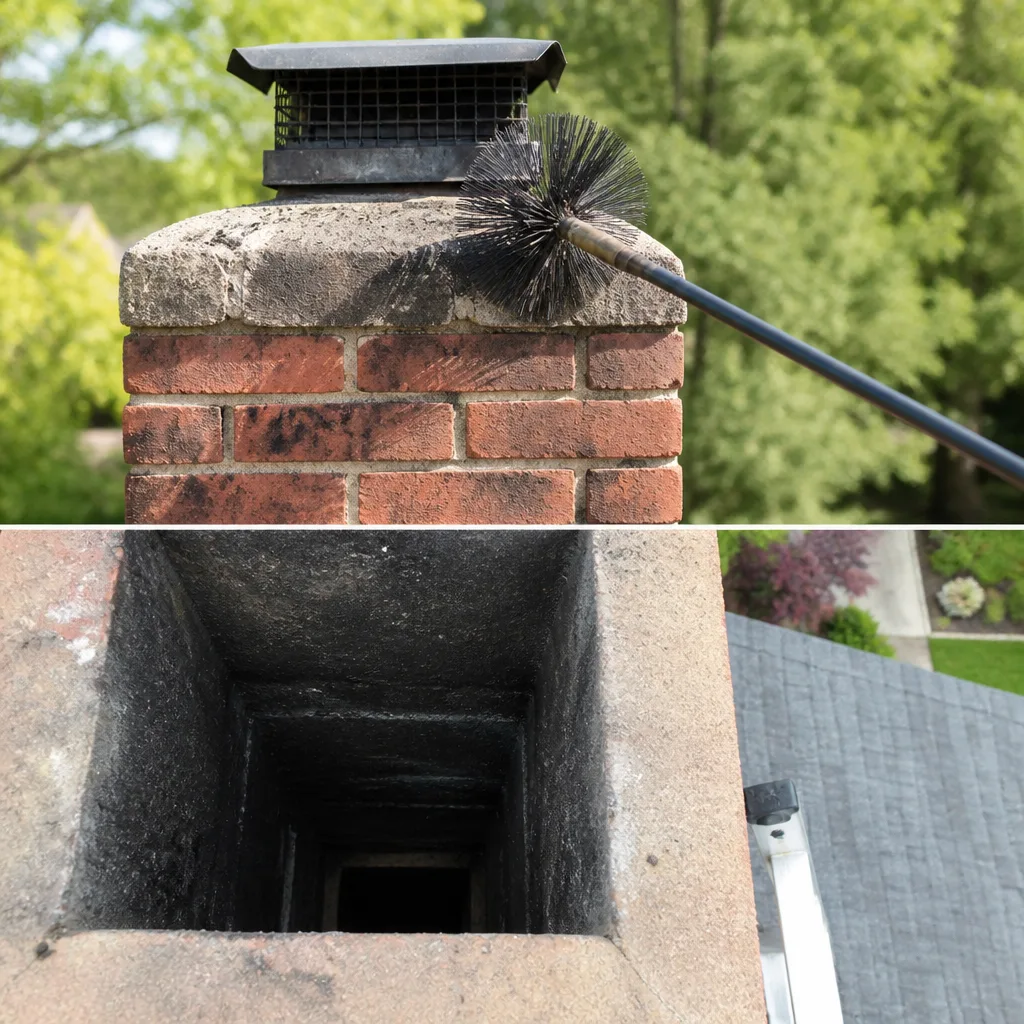 Sweep & inspection
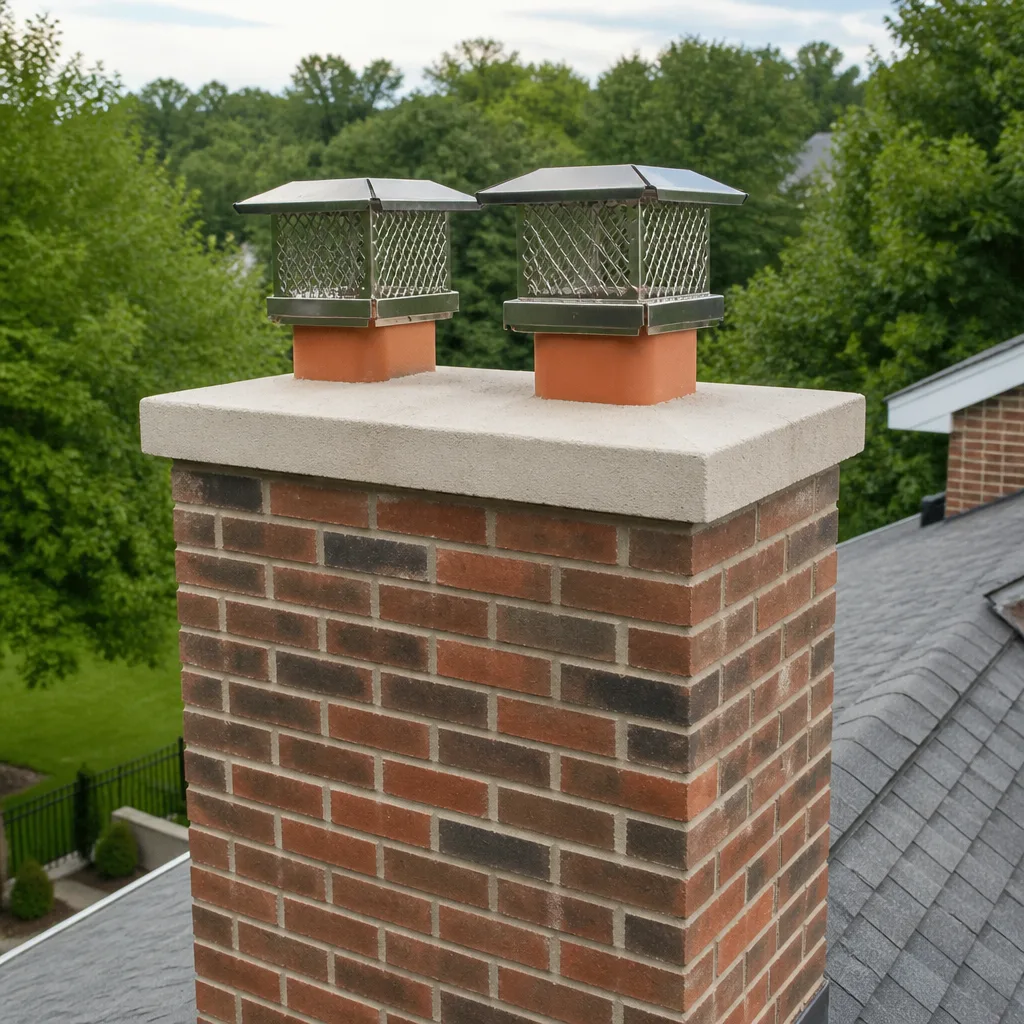 Caps & crowns
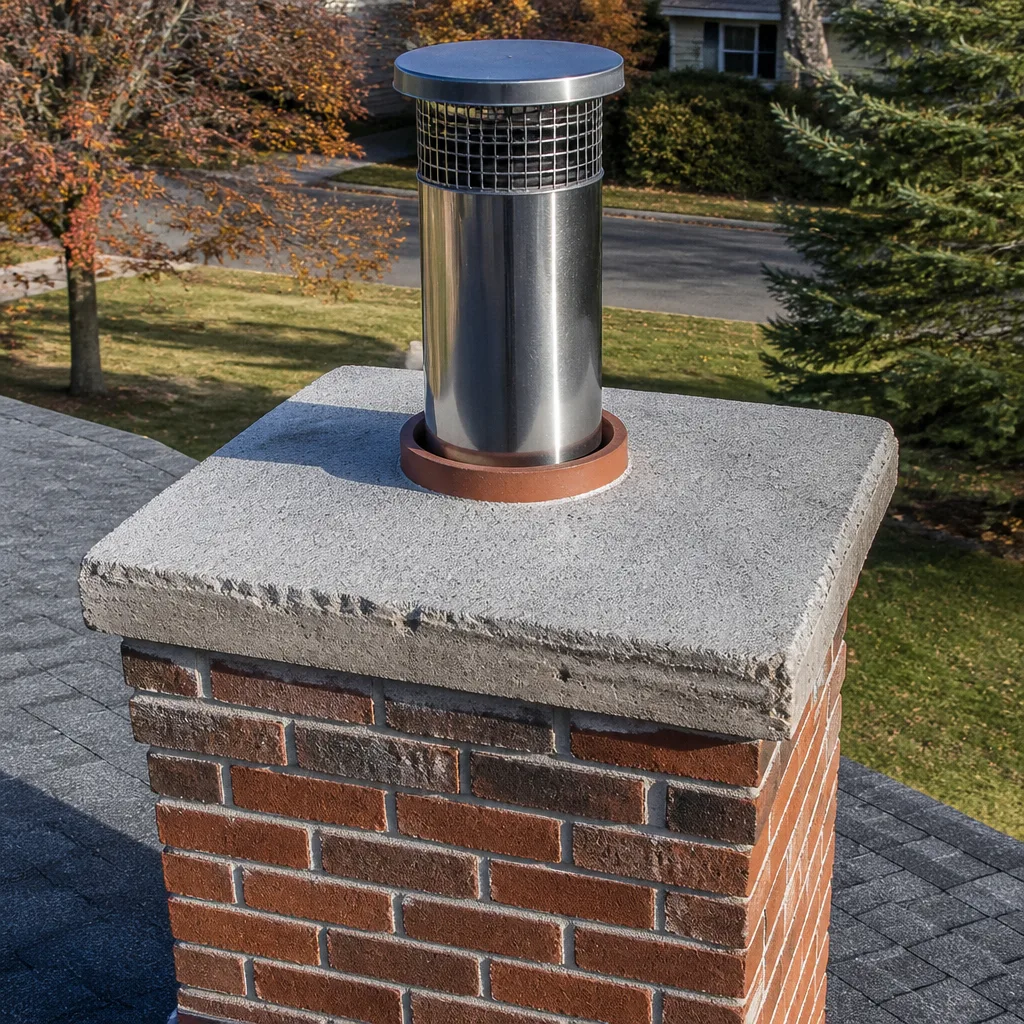 Flue relining
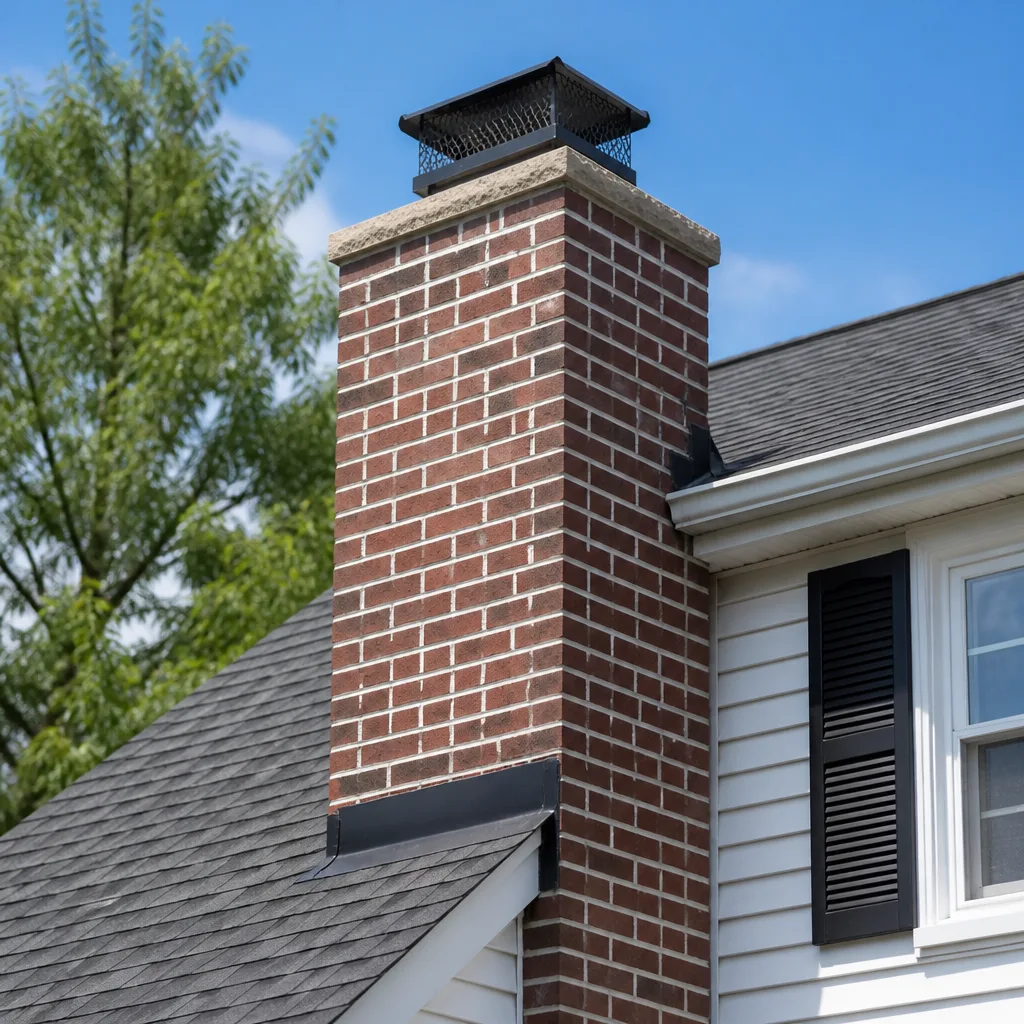 Masonry repair
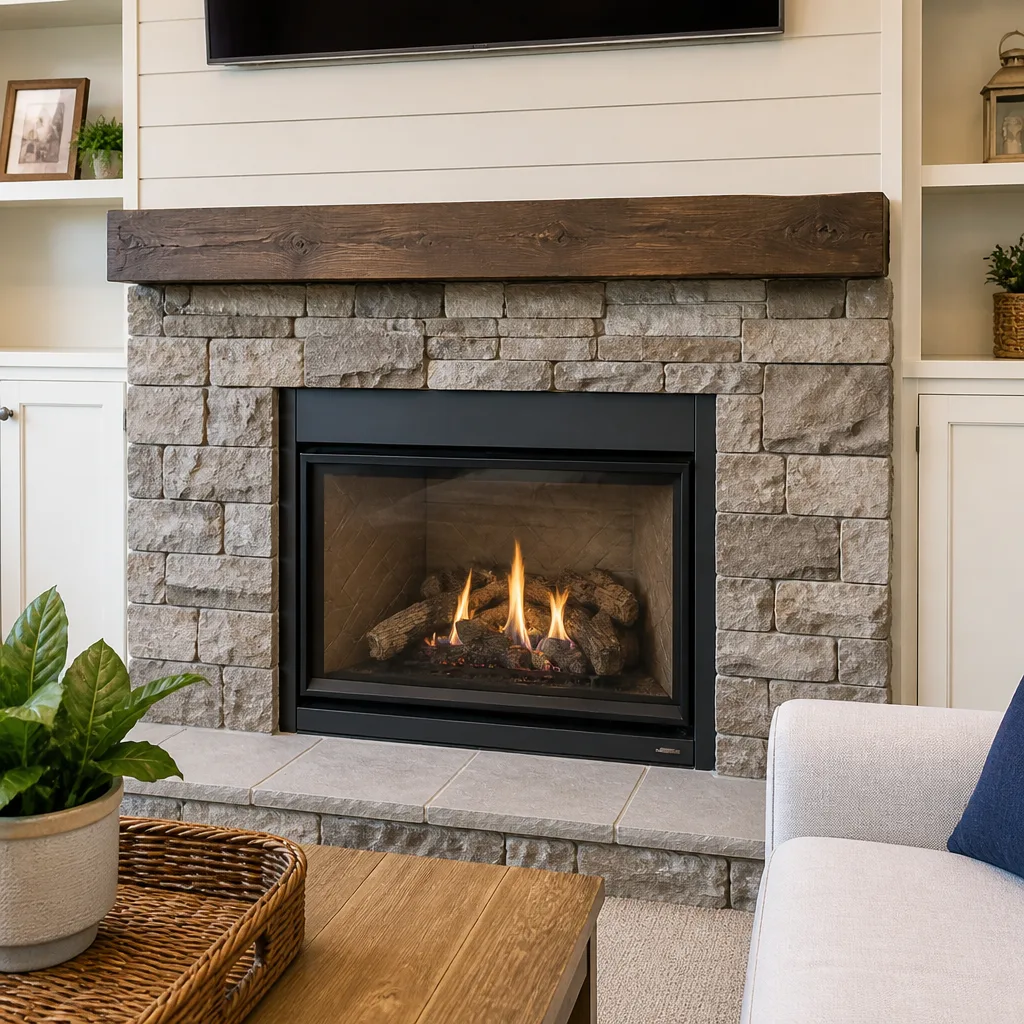 Gas fireplace service
Level 1 sweep and inspection to the NFPA 211 annual standard - flue, crown, cap, and flashing checked and photographed
Chimney sweep logs do not sweep chimneys. They loosen some creosote - which then falls where a brush and vacuum still have to collect it.
Chimney Cleaning Warning Signs: A Cottonwood Heights Homeowner’s Reference Guide
Most homeowners picture a chimney problem as something dramatic: a roar, a plume of smoke, a sudden crack. In our experience, the signs that actually matter are quieter than that. A faint smoky smell on a windy afternoon. A fire that needs the damper cracked a little wider than it used to. A gray streak on the firebox brick that wipes away and comes back. Those small, easy-to-dismiss signals are the ones Cottonwood Heights homeowners tend to live with for a season or two, right up until a sweep or a chimney fire makes them impossible to ignore. This guide walks through what each warning sign points to structurally, why the canyon wind here can hide a real problem, and what to look for from the driveway before you ever call anyone.
Quick Answer
The most reliable chimney warning signs are a smoky odor that appears when the fireplace is cold, draft that changes with the weather, popping or rumbling sounds during a fire, staining or crumbling at the firebox and crown, and smoke that rolls back into the room instead of rising. Any one of them is worth a professional inspection, and two or more together usually means the flue has a gap, a blockage, or creosote buildup that needs attention before the next fire.
Styles & brands we work with
- Sweep & inspection
- Caps & crowns
- Flue relining
- Masonry repair
- Gas fireplace service
Table of Contents
- The Five Sensory Warning Signs and What Each One Points To
- Why Canyon Winds Give Cottonwood Heights Chimneys a False Negative
- Cosmetic Staining vs. Active Moisture Intrusion
- How to Tell When Creosote Has Reached Stage 2 or 3
- Warning Signs You Can See From the Driveway
- What a Diagnostic Inspection Actually Finds
- Building a Simple Seasonal Check Routine
- Carbon Monoxide and Chimney Fire: What the Signs Are Really Telling You
The Five Sensory Warning Signs and What Each One Points To
Chimneys rarely fail without some kind of notice. The notice just arrives through your senses rather than a warning light. Here is how to read each one.
- Odor. A smoky, campfire-like smell in the room when the fireplace is cold points to creosote deposits in the flue. A sharper, acrid smell after rain points to moisture getting in, usually at the cap or crown. If the smell is strongest on windy days, suspect a gap or joint failure in the liner.
- Draft. A fireplace that used to light easily and now smokes at startup, or one that needs the damper open wider than before, is telling you the flue is restricted or the pressure balance has changed. Restricted draft can come from soot, a nest, a collapsed tile, or a liner that has separated.
- Sound. Popping, ticking, or a low rumble during a fire can be normal expansion, but rhythmic popping combined with a hot flue is a creosote ignition risk. A hollow knock when you tap the masonry is a sign of spalling or a failed joint.
- Visual. Black or brown staining above the firebox opening, white chalky deposits on brick, rust on the damper or firebox grate, and cracked or missing mortar joints are all visible signs with known causes.
- Smoke behavior. Smoke that spills into the room on light, or that rolls out of the top of the firebox before rising, is a draft or blockage signal, not a “quirky fireplace.”
If any of these sound familiar, an inspection and a professional chimney sweep will tell you whether the cause is surface-level or structural. We always recommend the inspection before the sweep so the sweep method matches what is actually in the flue.
Why Canyon Winds Give Cottonwood Heights Chimneys a False Negative
Cottonwood Heights sits along the east bench below the Wasatch canyons, and that position creates a specific problem for homeowners trying to self-diagnose a chimney. On calm days, air pressure is stable and even a compromised flue can draft well enough to look perfectly healthy. Then a canyon wind picks up in the afternoon and the same chimney starts puffing smoke into the room, or the smell gets stronger, and the homeowner assumes the wind is the problem.
Most of the time, the wind is not the problem. The wind is the stress test that reveals it. A liner with a small gap or a slightly separated joint can hold pressure in calm air and fail under the variable pressure of a downdraft. The same canyon wind patterns can also create positive pressure on one side of the roof and negative on the other, which is why some Cottonwood Heights homes smoke only on certain wind directions.
What we look for instead:
- A draft reading in calm conditions, which establishes a baseline.
- A camera inspection of the full flue, which is the only way to see a joint or tile that is intact from the top but separated from the firebox side.
- A check of the cap and top-sealing area for signs of pressure-driven moisture intrusion.
If your chimney only misbehaves when the wind blows, we’d treat it as an active signal, not a weather quirk. A camera inspection is the fastest way to clear it or confirm it.
Cosmetic Staining vs. Active Moisture Intrusion
Not every stain means the chimney is failing, but the wrong stains do tell you a lot. Here is the practical way to tell them apart at the firebox and at the crown.
- Efflorescence (white, powdery, chalky deposits) on brick or mortar is a sign that moisture is moving through the masonry and evaporating at the surface. It is not cosmetic, because it means water is actively infiltrating somewhere upstream, usually at the crown, cap, or a flashing joint.
- Rust staining on the damper, firebox grate, or a metal liner top plate is active moisture contact, not age. Metal does not rust without water.
- Gray or brown vertical streaking on the firebox brick is often smoke staining from poor draft, which is a draft signal rather than a moisture one. It can also be a sign of a failing damper seal.
- Dark, wet-looking patches near the base of the chimney are worth immediate attention, because they suggest water reaching the interior of the flue system rather than stopping at the surface.
- Crumbling mortar or spalling brick at the crown is not a cosmetic flaw. Once the crown cracks, water enters the masonry every rain and freeze cycle, and the damage accelerates through winter.
We generally treat any chalky, crusty, or rust-colored deposit as active until proven otherwise. A moisture reading and a look at the cap and crown settle the question.
How to Tell When Creosote Has Reached Stage 2 or 3
Creosote builds up in three recognized stages, and the stage determines what kind of cleaning is required. This is the part most homeowners have never been told, and it is why a “sweep” is not one uniform job.
- Stage 1 is a dusty, soot-like coating. A standard brush sweep handles it. It is the most common condition in a chimney that gets cleaned regularly.
- Stage 2 is a flaky, crusty deposit that clings to the flue surface. A brush loosens some of it, but the bonded layer often needs a chemical treatment to break the bond before the brush can do its job.
- Stage 3 is a glossy, hardened, tar-like glaze. It is the most flammable form and the hardest to remove. Stage 3 creosote usually requires a chemical sweep followed by a mechanical one, and in severe cases it points to a liner condition that needs repair rather than just cleaning.
You can’t reliably identify the stage from the firebox. What you can watch for is the behavior that produces Stage 2 and 3 in the first place: a fire run with the damper partly closed, wet or “green” wood, a flue that is too cold to burn clean, and long periods between cleanings. Any one of those trends moves creosote from dusty soot toward glaze.
If you have been burning low and slow and it has been more than a year since the last cleaning, assume you’re due for an inspection at minimum. We can tell you whether it’s a standard sweep or a chemically treated one. Call (866) 589-3511 for a free estimate.
Warning Signs You Can See From the Driveway
Some of the most useful warning signs never require you to get on the roof. They are visible from the ground with a pair of binoculars.
- The cap. Look at the very top. A missing cap, a bent or rusted cap, a torn bird screen, or a cap that has shifted off-center all create direct openings for water, animals, and debris. The cap is the first line of defense and the easiest thing to forget to check.
- The crown. Look at the sloped concrete or mortar top of the chimney. Visible cracks, a crown that has pulled away from the flue on one side, or a crown that is almost flat rather than pitched are signs of active water intrusion.
- Flashing. The metal seal where the chimney meets the roof either sits neatly in the shingles or it doesn’t. Curling, lifting, or gaps at the flashing are a common cause of interior water stains that homeowners blame on the fireplace.
- Mortar joints. Missing or receding mortar between bricks on the visible chimney stack is a sign of freeze-thaw wear, and it compounds every winter.
- Brick face. A white haze, flaky brick, or rust-colored streaks running down the outside all point back to moisture, even if the firebox inside looks clean.
We often describe the cap and crown as the parts of the chimney that prevent each other’s failures. A cracked crown lets water in and shortens the life of the liner, and a failing cap lets water and animals reach the crown in the first place. If either looks off from the ground, that’s a good reason to book a diagnostic visit.
What a Diagnostic Inspection Actually Finds
A meaningful inspection is not a quick glance up the flue with a flashlight. It produces specific, actionable findings, and it should be able to tell you what is wrong, why it matters, and what repair option is appropriate.
Here’s what we do on a diagnostic visit:
- Confirm the appliance type and how you actually use it (wood, gas, insert, or open hearth).
- Sweep only if the condition calls for it, after the visual inspection has established what we’re dealing with.
- Camera-inspect the full flue from the firebox to the top, paying attention to joints, tile separations, and creosote stage.
- Check the firebox, damper, smoke shelf, and the area around the top of the firebox opening for staining and structural signs.
- Inspect the cap, crown, flashing, and visible stack from the roof.
- Write up what we found in plain language, with the options and their trade-offs.
Depending on what we find, repair work may draw on professional-grade product lines rather than generic hardware. A damaged flue tile may be a candidate for HeatShield resurfacing, which can restore the flue without the cost of full relining. A failed or missing cap might be replaced with a Gelco or Olympia Chimney component chosen for your specific stack. If the liner is past repair, a DuraFlex system is the professional-grade option we work with. The point of the inspection is to tell you which of those applies, not to sell you a fixed package.
Every estimate is written, per job, before any work begins. Nothing gets recommended without camera evidence you can see.
Building a Simple Seasonal Check Routine
The homeowners who avoid unpleasant surprises are not the ones who watch their chimney more closely. They are the ones who check it on a schedule and stop guessing.
- Before the first burn of the season. Do a from-the-ground visual of cap, crown, and flashing. Open the damper and look up into the flue with a flashlight, and note any smell or staining.
- First fire of the season. Pay attention to startup. A fire that’s harder to start than last year, or that smokes for a few seconds longer, is worth remembering.
- Mid-season. Note any new sounds, new stains, or changes in how the fire burns. Note the wood you’re burning; wet wood is a direct cause of faster creosote buildup.
- After the last burn of the season. This is the best time to book cleaning, because the flue is dry and you have months before you need the fireplace again.
- Every year, regardless of schedule. Book a professional inspection and cleaning. Once a year is the standard recommendation for regular wood burning, and it’s the only way to know what’s happening inside the flue.
If you’d like to fold that routine into a single visit, a standard Chimney Sweep Cottonwood Heights covers the inspection and cleaning in one appointment, and we’ll tell you exactly what we found at the end. If repairs come up, we can handle them in the same company rather than sending you to a second contractor.
Carbon Monoxide and Chimney Fire: What the Signs Are Really Telling You
Two of the most serious chimney hazards produce the same quiet warning signs that this guide has covered, which is why we don’t treat any of them as minor. A blocked or damaged flue can allow carbon monoxide to back up into the home rather than vent up the chimney. A flue coated with Stage 2 or Stage 3 creosote can ignite during a normal fire and burn hot enough to crack tiles and damage the surrounding structure.
What that means practically:
- Treat draft changes, smoky odors, and smoke rollback as potential venting problems, not just comfort issues. Have functioning carbon monoxide alarms on every level of the home and near sleeping areas. This is not a step to skip.
- Treat popping, roaring, or a sudden strong smell of hot tar during a fire as a possible creosote ignition. Stop the fire, get everyone out, and call the fire department. Do not attempt to fight it yourself.
- Treat any visible crack in the flue or firebox as a venting concern until a camera inspection says otherwise.
We’d rather look at your chimney on a quiet afternoon than have you discover a venting problem by its symptoms. The annual inspection and cleaning are what keep the quiet warnings from becoming loud ones.
Common Mistakes to Avoid
- Waiting for a dramatic sign. The quiet signs on this list are the ones that matter. If you’ve been telling yourself the smell “isn’t that strong,” that’s the signal to book the inspection.
- Assuming calm-weather draft equals a healthy flue. In Cottonwood Heights, canyon wind patterns can hide a compromised liner. A chimney that drafts well on a still morning can still have a separated joint.
- Burning wet wood to save money. Wet or unseasoned wood is the fastest path to Stage 2 and Stage 3 creosote. When wood is the fuel, the wood matters.
- Skipping the inspection to save on a cleaning. A sweep without an inspection tells you nothing about the cap, crown, flashing, or liner condition. The inspection is what turns a sweep into information you can act on.
- Treating a cracked crown as “a little wear.” A cracked crown lets water into the masonry every rain and freeze-thaw cycle. Small crown repairs cost far less than the masonry work that follows years of ignored intrusion.
- Hiring the cheapest sweep in the valley without asking about the inspection. If a quote doesn’t include a camera inspection, cap and crown check, and a written report, you’re paying for a brush and a hope. The professional-grade product question matters too.
- Burning until late in the season and then forgetting the chimney. Book the cleaning after the last fire of the season while the flue is dry and you have room in your calendar. It’s the easiest habit to keep.
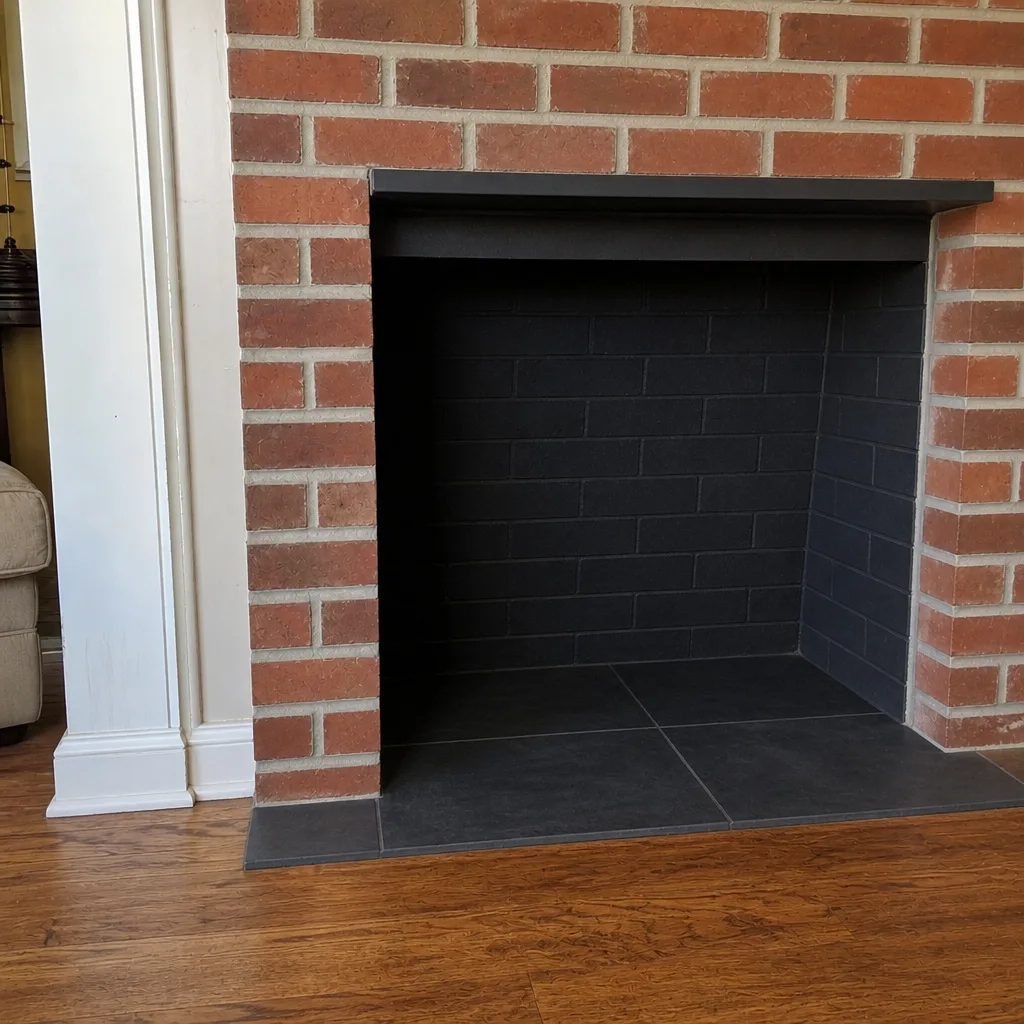
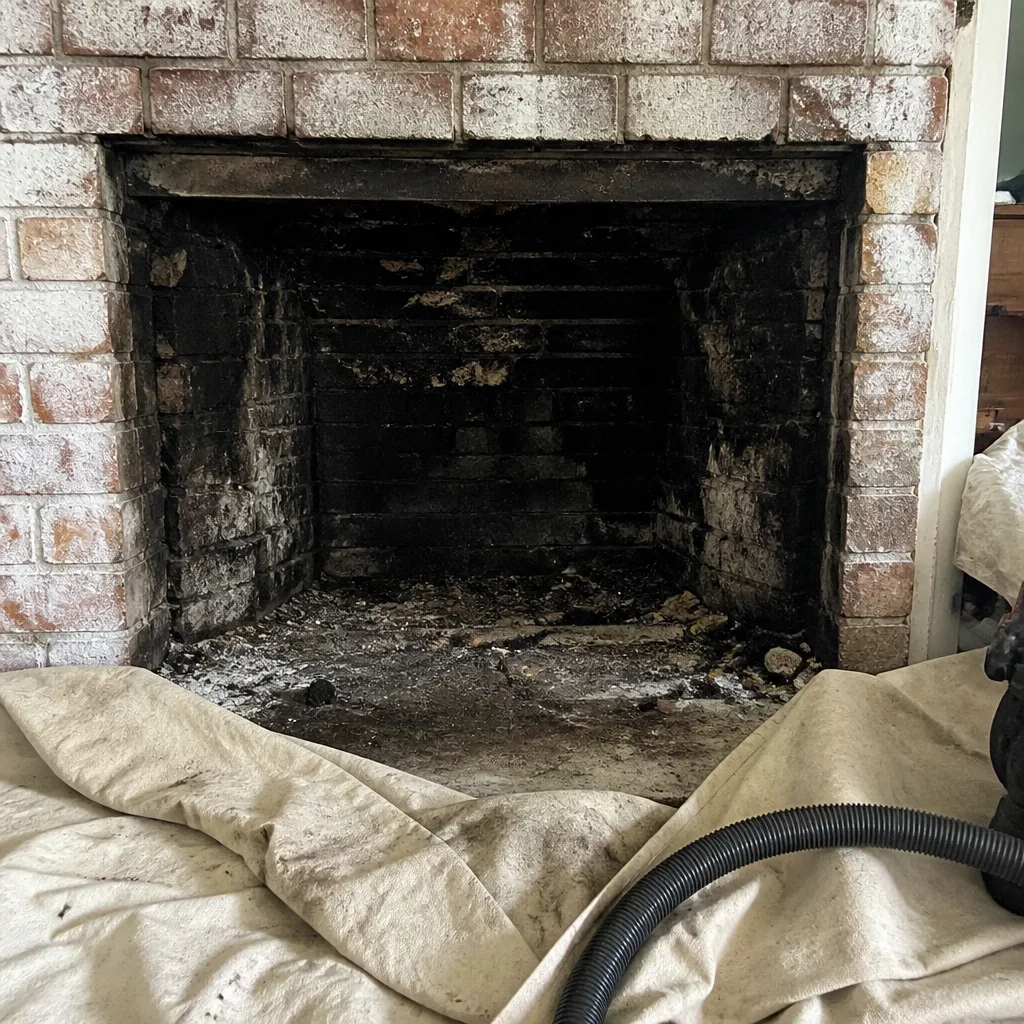
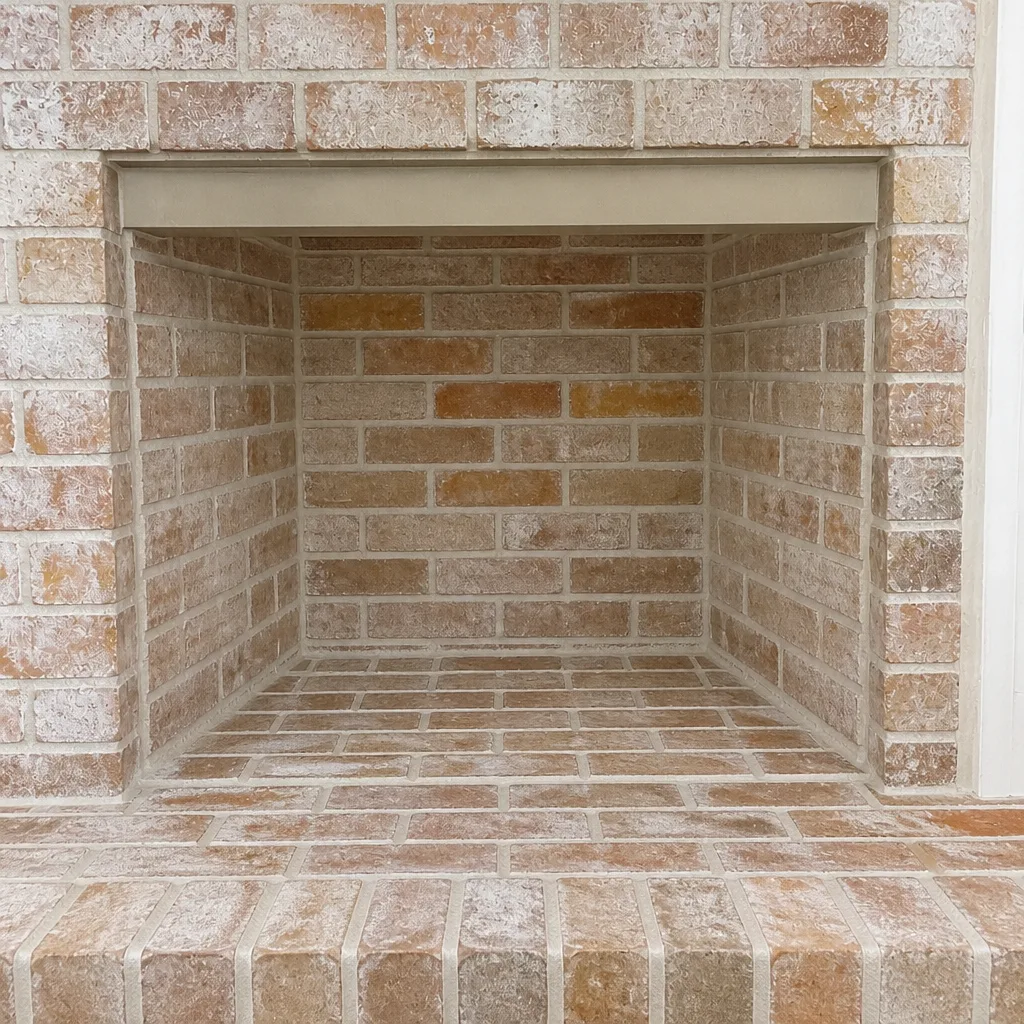
See the difference
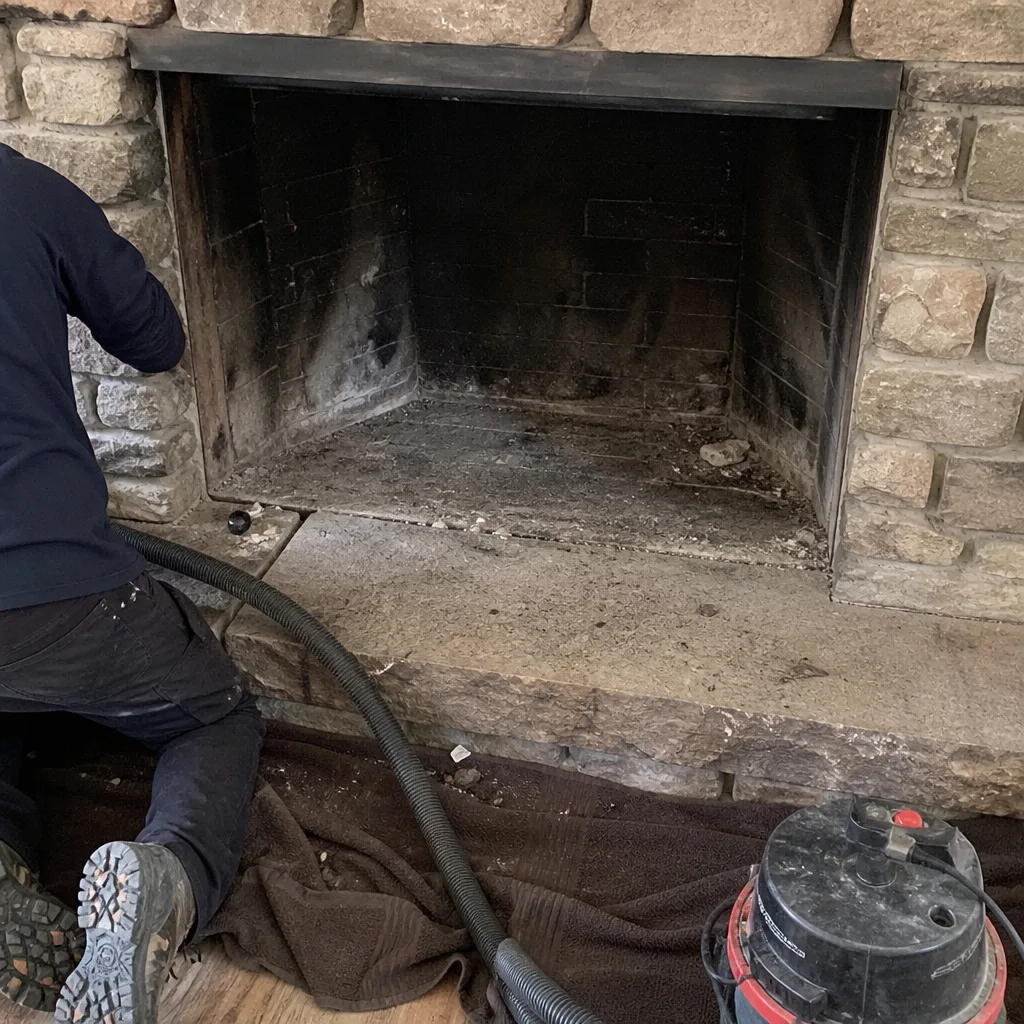 Before
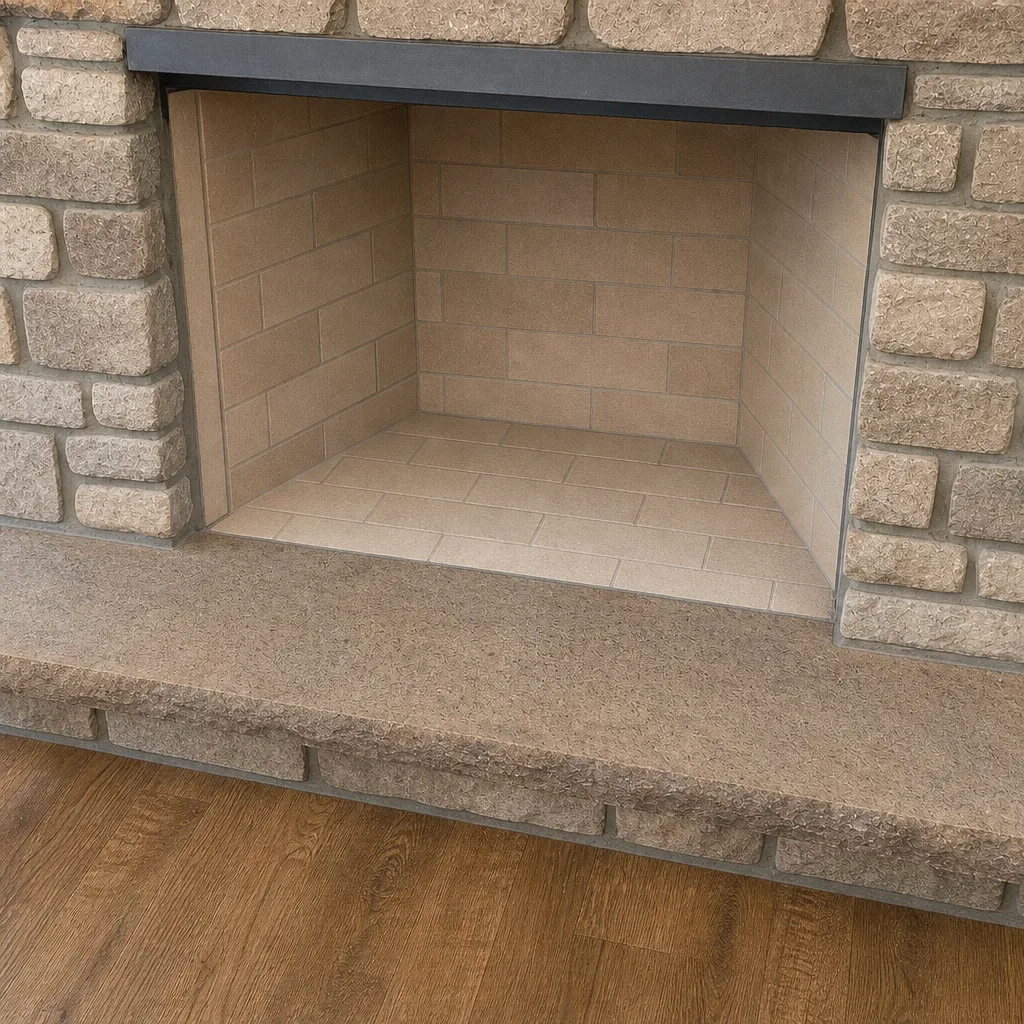 After
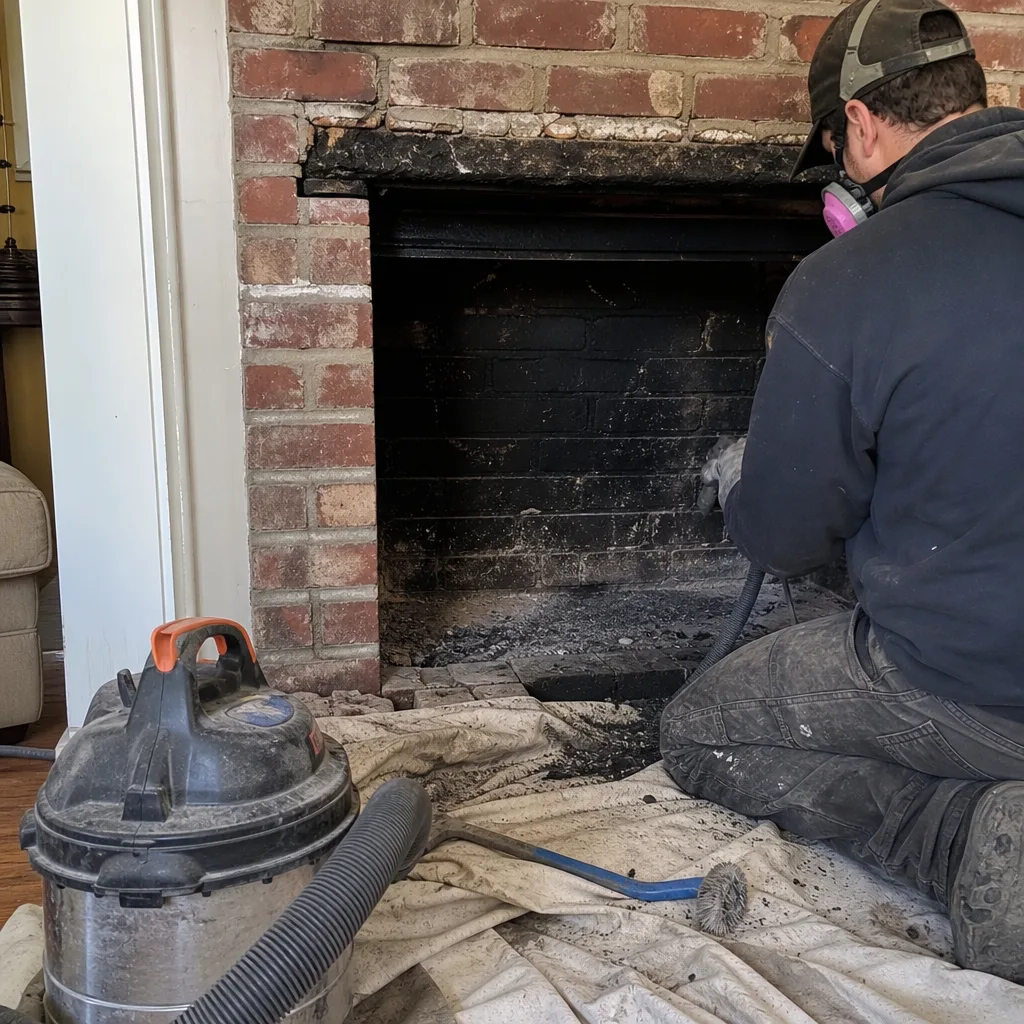 Before
 After
 Before
 After
When to Call a Professional
Some warning signs are safe to schedule. Others are not. Call us if you notice any of the following: smoke rolling back into the room instead of going up, a smoky smell in the house with no fire burning, popping or roaring during a fire, visible cracks or staining in the firebox or on the chimney stack, or a cap or crown that looks bent, missing, or cracked from the ground. Call immediately and clear the house if you smell hot tar, hear a deep roar from the chimney, or your carbon monoxide alarm sounds. For less urgent cases, a diagnostic inspection tells you what you’re actually dealing with and whether the work can safely wait until the shoulder season. Chimney Sweep Cottonwood Heights offers free estimates in Cottonwood Heights: call (866) 589-3511. We answer 24/7, and fast dispatch runs 7am to 7pm, Sunday through Friday.
Frequently Asked Questions
In our experience it is the smoky odor in a cold fireplace. It’s easy to write off as “a fireplace smell,” but it usually means creosote deposits or moisture are present in the flue. A camera inspection settles it quickly. Call (866) 589-3511 for a free estimate.
No, it is not normal, even though it is common along the east bench below the canyons. A liner gap, a separated joint, or a pressure-sensitive blockage can hide in still air and only show up when the canyon wind picks up. Treat it as an active warning sign. A chimney repair inspection will tell you if the flue is compromised or the cap is causing the downdraft.
You can’t reliably identify the stage from the firebox. It’s identified with a camera inspection of the flue walls. What you can watch for is the behavior that produces advanced creosote: burning wet wood, running the fire with the damper partly closed, and going more than a year between cleanings. Call (866) 589-3511 for a free estimate.
A cracked crown is a real problem, not cosmetic. The crown is the sloped top that sheds water off the masonry, and a crack lets water in every rain and every freeze-thaw cycle, which is how masonry damage starts and spreads. A crown repair is a structural fix. We work with Gelco and Olympia Chimney components for cap and crown work.
Sometimes. HeatShield resurfacing can restore a flue with a damaged tile and give it a serviceable life without the cost of full relining, when the damage is within its working limits. When it isn’t, a professional-grade DuraFlex liner is the option we work with. A camera inspection tells you which applies. For firebox-level work, our fireplace repair team can look at the firebox, damper, and surrounding brick at the same visit.
Once a year for a home that burns wood regularly, and every year regardless of use if you want the inspection to catch developing problems early. A chimney that only sees a few fires a season still needs the annual visual and camera look. Call (866) 589-3511 for a free estimate.
The Bottom Line
The warning signs that matter most are the ones that don’t demand your attention: a smell, a draft that changed, a small stain, a sound during a fire. In Cottonwood Heights, canyon wind patterns make those signs even easier to dismiss, because a compromised chimney can still draft well on a calm day. Read the cap, crown, and flashing from the ground once a season. Watch for the signs of creosote climbing toward Stage 2 or 3. And treat any draft change or smoky odor as a reason to book an inspection, not a reason to wait. A professional-grade sweep and a diagnostic inspection tell you exactly what your chimney is doing, and the right repair line follows from there. We’d be glad to be the one company that handles the sweep, the inspection, and any repair your chimney needs. Written by the team at Chimney Sweep Cottonwood Heights.
Call (866) 589-3511 for a free estimate. We answer 24/7. Fast dispatch from 7am to 7pm, Sunday through Friday.
Written by the team at Chimney Sweep Cottonwood Heights.